A washing machine is easily one of the hardest-working appliances in any home. Running multiple times a week—or even multiple times a day in larger households—gradually wears down internal bearings, drain pumps, drive belts, suspension shocks, and electronic control boards. So, how long do washing machines last?
While results vary by household, most residential washers last between 10 and 15 years with routine care. Factors like laundry volume, load sizing, water hardness, and maintenance habits all dictate how many years of service your machine will provide.
This guide breaks down average lifespans by washer style, covers key warning signs of mechanical failure, and practical ways to keep it running efficiently for years.
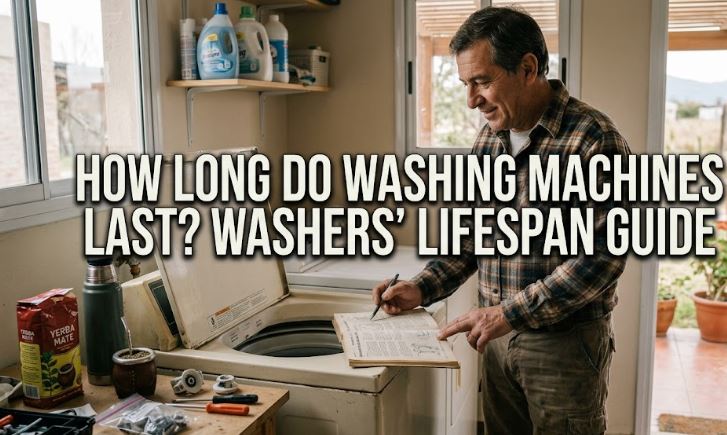
How Long Do Washing Machines Last?
Most residential washing machines last between 10 and 15 years.
That’s an average rather than a guarantee. Some machines fail much sooner because of heavy use or poor maintenance, while others continue operating reliably for nearly two decades.
The lifespan also varies by washer type.
Top-Load Washing Machines
Traditional top-load washers are known for their relatively simple design.
Because they have fewer complex components than many front-load models, repairs are often less expensive, and some units remain in service for 15 years or longer with regular maintenance.
Typical lifespan: 10–15 years
Front-Load Washing Machines
Front-load washers generally offer better water and energy efficiency, but they contain more seals, bearings, and suspension components that experience wear over time.
Routine cleaning is especially important to prevent mold and gasket deterioration.
Typical lifespan: 10–14 years
Compact and Portable Washers
Portable washers are designed for lighter use.
While many perform well, their smaller motors and components typically aren’t intended for the same workload as full-size machines.
Typical lifespan: 7–10 years
Average Washing Machine Lifespan by Type
| Washing Machine Type | Average Lifespan | Typical Usage |
|---|---|---|
| Top-load washer | 10–15 years | Moderate to heavy |
| Front-load washer | 10–14 years | Moderate to heavy |
| High-efficiency washer | 10–15 years | Regular household use |
| Portable washer | 7–10 years | Light use |
What Determines How Long a Washing Machine Lasts?
Knowing how long washing machines last is only part of the picture. The conditions under which the machine operates often matter more than its age.
Several factors directly affect washer longevity.
Frequency of Use
A washing machine used once or twice a week experiences far less wear than one running multiple loads every day.
Large families naturally place more stress on motors, suspension systems, and water pumps.
Load Size
Overloading is one of the fastest ways to shorten a washer’s lifespan.
Excessive weight increases stress on:
- Drum bearings
- Suspension springs
- Shock absorbers
- Drive motor
- Belt or direct-drive components
Consistently washing oversized loads can lead to premature mechanical failure.
Water Quality
Hard water leaves mineral deposits inside valves, hoses, and heating components (where applicable).
Over time, these deposits reduce efficiency and may contribute to component failure if not addressed.
Build Quality
Higher-quality washing machines often use heavier-duty bearings, stronger suspension systems, and better corrosion-resistant materials.
Budget models can still provide years of reliable service, but premium construction may contribute to greater longevity.
Signs Your Washing Machine Is Nearing the End of Its Life
Age alone doesn’t determine whether a washer should be replaced. Many machines continue operating well beyond their expected lifespan, while others develop costly problems much sooner.
Watch for these common warning signs.
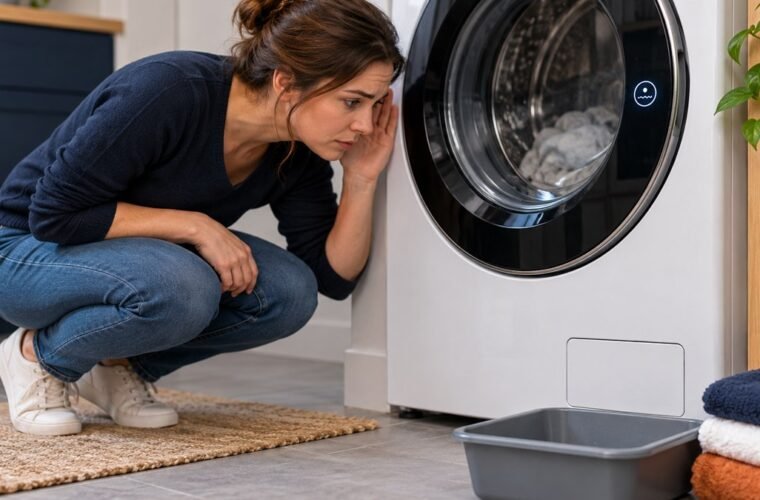
Excessive Noise During Spin Cycles
Some noise is normal, especially during high-speed spinning.
However, loud grinding, banging, or rumbling often indicates worn bearings or suspension components.
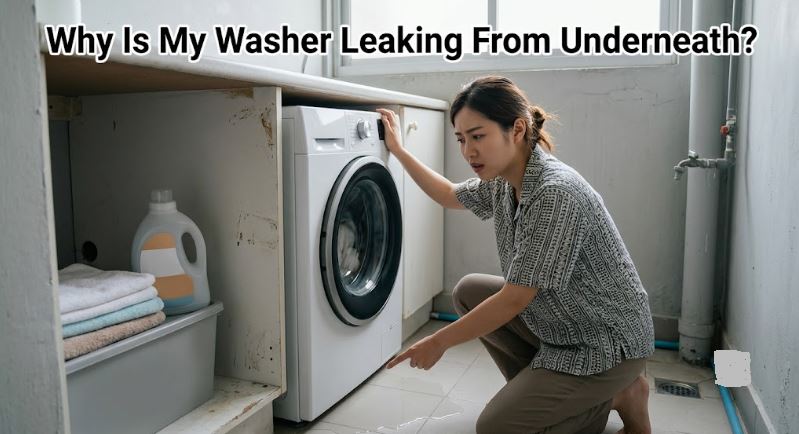
Water Leaks
Leaks around the washer may result from:
- Damaged hoses
- Worn door seals
- Faulty water pumps
- Cracked tubs
Some leaks are inexpensive to repair, while others can make replacement the more practical choice.
Clothes Aren’t Coming Out Clean
Poor cleaning performance isn’t always caused by detergent.
It can also indicate:
- Weak agitation
- Drum problems
- Water level issues
- Control board faults
Frequent Repairs
Occasional repairs are expected over a washer’s lifetime.
When repairs become frequent or expensive, replacing the machine often makes more financial sense.
The Washer Won’t Complete Cycles
Modern washers rely on multiple sensors and electronic controls.
Repeated cycle interruptions, failure to spin, or error codes that persist after repairs may point to major component failures.
How to Make Your Washing Machine Last Longer
Routine maintenance has a greater impact on washer lifespan than many homeowners realize.
These simple habits help reduce unnecessary wear.
Avoid Overloading the Drum
Leave enough space for clothes to move freely.
A tightly packed drum forces the motor and suspension to work harder.
Use the Correct Amount of Detergent
More detergent doesn’t mean cleaner clothes.
Excess soap creates residue that can affect pumps, sensors, and internal components.
High-efficiency (HE) machines should always use HE detergent.
Clean the Washer Regularly
Residue, detergent buildup, and moisture create ideal conditions for mold and odors.
Regular cleaning helps prevent buildup inside:
- The drum
- Door gasket
- Detergent dispenser
- Drain filter
Inspect Water Hoses
Rubber hoses deteriorate with age.
Inspect them annually for:
- Cracks
- Bulges
- Leaks
- Loose fittings
Replacing aging hoses before they fail can prevent costly water damage.
Leave the Door Open After Use
For front-load washers especially, leaving the door slightly open allows moisture to evaporate and helps reduce mold growth.
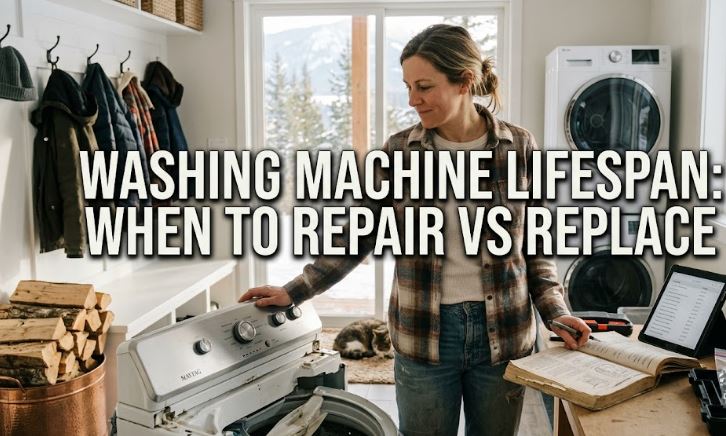
When Should You Repair Instead of Replace?
Not every washer problem requires buying a new appliance.
In many cases, replacing an inexpensive part restores normal operation.
Repair is often worthwhile when:
- The washer is less than eight years old.
- The repair cost is relatively low.
- The drum and motor remain in good condition.
- The machine has otherwise been reliable.
Replacement becomes more attractive when repairs approach a significant percentage of the cost of a new washer or when multiple major components begin failing within a short period.
Repair vs. Replace
| Situation | Repair | Replace |
|---|---|---|
| Washer under 8 years old | ✔ | |
| Minor pump or hose issue | ✔ | |
| Repeated control board failures | ✔ | |
| Worn drum bearings on an older machine | ✔ | |
| Repair cost approaches replacement cost | ✔ |
Recommended Products to Help Extend Washing Machine Life
Routine maintenance is easier with the right tools. These products can help keep your washer running efficiently for longer.
1. Affresh Washing Machine Cleaner Tablets
These tablets help remove detergent residue, odor-causing buildup, and grime inside the drum and internal components.
2. Stainless Steel Braided Washing Machine Hoses
Compared to standard rubber hoses, braided stainless steel hoses offer greater durability and better resistance to bursting.
3. Washing Machine Drain Pan
A drain pan helps protect flooring by containing minor leaks and directing water toward a drain where available.
Washing Machine Lifespan at a Glance
| Question | Answer |
|---|---|
| How long do washing machines last? | Typically 10–15 years |
| Top-load washer lifespan | 10–15 years |
| Front-load washer lifespan | 10–14 years |
| Portable washer lifespan | 7–10 years |
| Biggest factor affecting lifespan | Usage and maintenance |
| Can maintenance extend lifespan? | Yes, significantly |
Frequently Asked Questions
How long do washing machines last on average?
Most household washing machines last between 10 and 15 years. The exact lifespan depends on usage, maintenance, water quality, and the overall build quality of the appliance.
Is it worth repairing a 12-year-old washing machine?
It depends on the repair cost and the condition of the machine. Minor repairs may still be worthwhile, but replacing the washer is often the better long-term investment if major components have failed.
What is the first part of a washing machine to fail?
Drain pumps, door seals, suspension components, water inlet valves, and bearings are among the parts that commonly wear out over time. The first failure varies depending on the washer model and how it’s used.
Can overloading shorten a washing machine’s lifespan?
Yes. Overloading places extra stress on the motor, bearings, suspension, and drum, increasing wear and raising the likelihood of mechanical failure.
How can I make my washing machine last longer?
Avoid overloading, use the correct detergent, clean the machine regularly, inspect hoses annually, and address small issues before they become major repairs.
Do expensive washing machines last longer?
Not always, but higher-end models often use more durable components and may offer longer service lives when properly maintained. Regular care remains one of the biggest factors regardless of price.
Also Read: How Long Do Dryers Last? (Explained)
Conclusion
When evaluating how long washing machines last, you can generally plan for 10 to 15 years of reliable service, with well-maintained top-load and front-load units frequently reaching the higher end of that range. Simple habits like avoiding overloaded drums, using the correct amount of HE detergent, and replacing aging rubber hoses go a long way toward preventing premature breakdowns.
Simple practices like avoiding overloaded loads, cleaning the washer regularly, and replacing worn hoses can add years to its lifespan while reducing the risk of costly breakdowns. If your washer is approaching the end of its expected life and repairs are becoming frequent, comparing repair costs with the price of a newer, more efficient model is often the smartest next step.