You throw a mug of coffee inside, press start, and return two minutes later to find it completely cold. When your trusty kitchen workhorse suddenly stops heating, a pressing question arises: how long do microwaves last?
While standard countertop and over-the-range units generally heat meals for 7 to 10 years, that timeline depends heavily on how hard your appliance works every day. Extended cooking cycles, blocked ventilation vents, and stubborn grease splatters can easily force internal parts like the magnetron or high-voltage capacitor into an early retirement.
This guide breaks down realistic lifespans across every microwave style, exposes the key warning signs of component failure, and reveals practical maintenance tips that can help you get more years from your appliance.
How Long Do Microwaves Last?
For the average household, a microwave has an expected lifespan of 7 to 10 years.
That estimate assumes regular daily use, proper ventilation, and routine cleaning. A microwave that’s used occasionally in a vacation home may last much longer, while one in a busy office kitchen or a large family home may wear out sooner.
The type of microwave also makes a difference.
Countertop Microwaves
Countertop models are the most common and generally the least expensive.
Because they’re easy to replace, manufacturers often design them with fewer heavy-duty components than premium built-in units.
Average lifespan: 7–10 years
Over-the-Range Microwaves
These microwaves combine cooking and ventilation functions.
Since they often serve as both a microwave and a range hood, they may experience additional wear from grease, heat, and frequent fan operation.
Average lifespan: 9–10 years
Built-In Microwaves
Built-in models are typically constructed with higher-quality components and are installed as part of a kitchen cabinetry system.
With proper maintenance, they can sometimes outlast standard countertop units.
Average lifespan: 9–12 years
Average Microwave Lifespan by Type
| Microwave Type | Average Lifespan | Typical Usage |
|---|---|---|
| Countertop microwave | 7–10 years | Daily household use |
| Over-the-range microwave | 9–10 years | Cooking and ventilation |
| Built-in microwave | 9–12 years | Frequent residential use |
| Commercial microwave | 10–15 years | Heavy-duty operation |
What Determines How Long a Microwave Lasts?
Several factors influence how quickly microwave components wear out, and they include:
Frequency of Use
Every cooking cycle places stress on internal components such as the:
- Magnetron
- High-voltage capacitor
- Cooling fan
- Turntable motor
- Door switches
A microwave used several times a day naturally reaches its design limits sooner than one used occasionally.
Cooking Habits
Heating small leftovers places relatively little strain on the appliance.
Repeatedly cooking large meals for extended periods generates more heat and increases wear on internal components.
Ventilation
Microwaves rely on proper airflow to cool electronic parts.
Blocked air vents or installation in tight spaces can cause internal temperatures to rise, reducing component life.
Routine Cleaning
Food splatters and grease don’t just look unpleasant.
Over time, residue can:
- Block ventilation openings
- Trap moisture
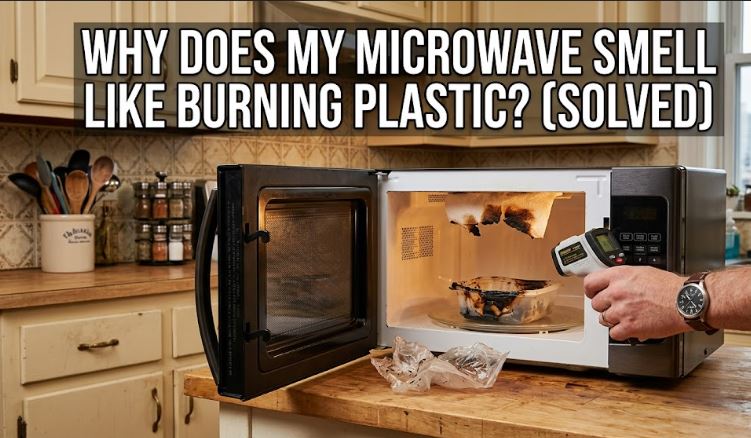
- Produce smoke and odors
- Increase the likelihood of electrical arcing
Keeping the interior clean helps maintain reliable operation.
Signs Your Microwave May Be Reaching the End of Its Life
Age is only one indicator of a microwave’s condition. Performance changes usually provide a clearer picture, and here are signs your microwave is on its last kick:
Food Takes Longer to Heat
If cooking times gradually increase despite using the same power settings, the magnetron may be weakening.
This is one of the most common signs of an aging microwave.
Uneven Heating
Hot edges and cold centers often indicate that microwave energy is no longer being distributed effectively.
While improper food placement can contribute, persistent uneven heating deserves investigation.
Strange Noises
Buzzing is normal during operation.
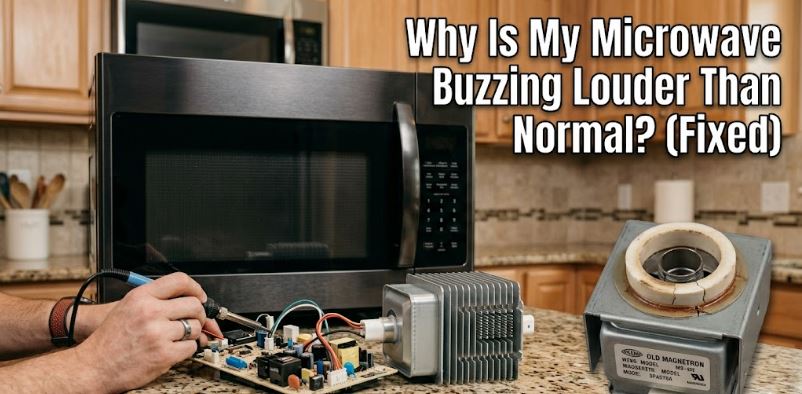
Grinding, loud humming, rattling, or clicking sounds may point to worn motors, cooling fans, or electrical components.
Sparking Inside the Microwave
Microwave sparks should never be ignored.
Possible causes include:
- Metal accidentally left inside
- Damaged waveguide cover
- Peeling interior coating
- Food residue causing electrical arcing
If sparking continues after cleaning and removing metal objects, discontinue use until the cause is identified.
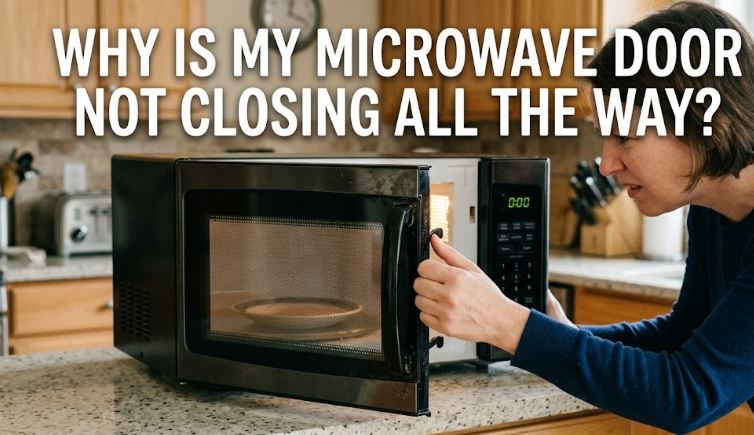
The Door Doesn’t Close Properly
The microwave won’t operate safely if the door switches fail or the latch becomes damaged.
A loose or misaligned door should be repaired promptly.
Repair or Replace? Making the Right Decision
Not every microwave problem requires buying a new appliance.
Minor issues are often inexpensive to repair.
Repair May Be Worthwhile If…
Consider repairing the microwave when:
- It’s less than five years old.
- The problem involves the turntable motor or door latch.
- The appliance has otherwise been reliable.
- Repair costs are relatively low.
Replacement Is Usually the Better Option If…
Replacing the microwave often makes more sense when:
- It’s approaching or exceeding 10 years old.
- The magnetron has failed.
- Multiple electrical components need replacement.
- Repair costs approach the price of a comparable new unit.
- Replacement parts are difficult to obtain.
Repair vs. Replace
| Situation | Repair | Replace |
|---|---|---|
| Faulty door latch | ✔ | |
| Turntable motor failure | ✔ | |
| Interior light replacement | ✔ | |
| Magnetron failure on an older unit | ✔ | |
| Multiple electronic failures | ✔ | |
| Extensive interior rust | ✔ |
How to Make Your Microwave Last Longer
Microwaves require very little maintenance, but a few simple habits can significantly extend their service life.
Clean Spills Immediately
Food residue hardens quickly and becomes more difficult to remove over time. Regular cleaning also reduces odors and prevents electrical arcing.
Never Run the Microwave Empty
Operating an empty microwave can damage the magnetron because there is no food to absorb the microwave energy.
Use Microwave-Safe Containers
Metal objects and unsuitable containers can damage the appliance and create safety hazards. Always use cookware labeled as microwave safe.
Keep Air Vents Clear
Avoid placing items against the ventilation openings. Good airflow helps keep internal temperatures within normal operating limits.
Open and Close the Door Gently
Slamming the door places unnecessary stress on the latch and safety switches.
Recommended Products to Help Extend Microwave Life
Using the right accessories makes maintenance easier and helps prevent unnecessary wear.
1. Microwave Cover for Food Splatter
A reusable microwave cover helps contain food splashes, keeping the interior cleaner and reducing grease buildup.
2. Weiman Microwave Cleaner
This non-abrasive cleaner removes grease and food residue without damaging microwave interiors.
3. Microwave-Safe Glass Food Storage Containers
Glass containers resist staining, don’t retain odors, and reduce the risk of damaging the microwave compared to unsuitable plastics.
Common Myths About Microwave Lifespan
Many misconceptions cause homeowners to replace microwaves sooner than necessary—or continue using unsafe ones.
“A Microwave Stops Working Without Warning”
Not usually.
Many microwaves gradually develop symptoms such as uneven heating, longer cooking times, or unusual noises before failing completely.
“More Wattage Means a Longer Lifespan”
Higher wattage affects cooking speed, not necessarily durability.
Build quality and maintenance have a much greater influence on longevity.
“If the Light Turns On, the Microwave Is Working Properly”
The interior light, display, and turntable can still operate even if the magnetron has stopped producing microwave energy.
Always verify that food is heating properly.
Microwave Lifespan at a Glance
| Question | Answer |
|---|---|
| How long do microwaves last? | Typically 7–10 years |
| Countertop microwave lifespan | 7–10 years |
| Built-in microwave lifespan | 9–12 years |
| Biggest lifespan factor | Usage and maintenance |
| Is cleaning important? | Yes |
| Can proper maintenance extend lifespan? | Yes |
Frequently Asked Questions
How long do microwaves last on average?
Most household microwaves last between 7 and 10 years. Built-in models may last longer because they’re often constructed with higher-quality components.
Is it worth repairing a 10-year-old microwave?
In many cases, no. If the repair involves major components like the magnetron and costs approach the price of a new microwave, replacement is usually the better option.
What is the first part of a microwave to fail?
Door switches, turntable motors, interior lights, and magnetrons are among the components that commonly fail over time, although the exact part varies by model and usage.
Can running a microwave empty damage it?
Yes. Operating a microwave without food or liquid inside can damage the magnetron because the microwave energy has nothing to absorb it.
How do I know if my microwave is losing power?
Food taking longer to heat, uneven cooking, and the need to repeatedly extend cooking times are common signs that the microwave may no longer be operating at full power.
Does cleaning a microwave help it last longer?
Yes. Removing grease and food residue helps maintain proper ventilation, reduces the risk of electrical arcing, and keeps internal components operating under better conditions.
Conclusion
If you’ve been asking how long do microwaves last, the general answer is 7 to 10 years for most households. Daily usage, proper ventilation, routine cleaning, and careful operation all play important roles in determining whether your microwave reaches or exceeds that lifespan.
When heating performance declines, compare the appliance’s age, repair costs, and overall condition before deciding whether to fix or replace it. In many cases, consistent maintenance and prompt attention to small issues can add several years of dependable service while helping you avoid unnecessary replacement costs.