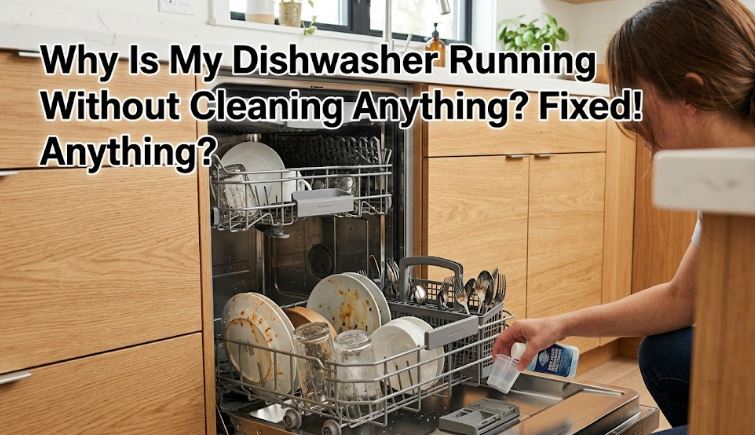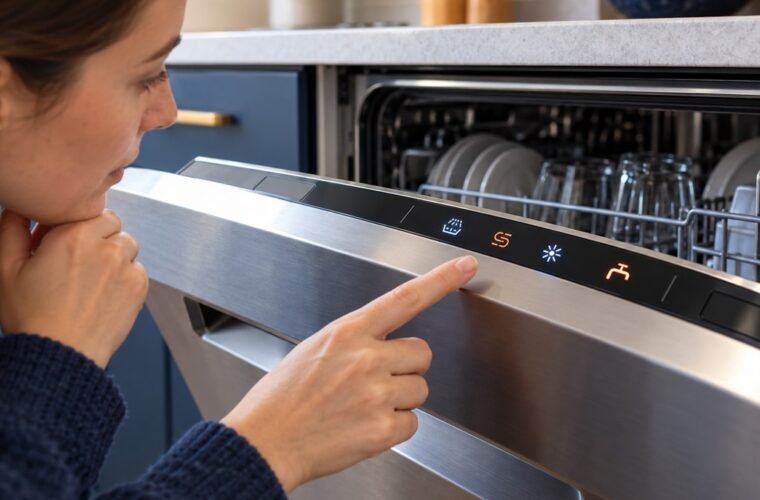

You hit “start,” walk away, and return an hour later only to find a pool of murky water or grease-streaked plates. Before you pull the plug on your kitchen setup completely, one critical question demands an answer: how long do dishwashers last?
For most households, dishwashers last between 9 and 12 years. Some premium models continue performing well for 15 years or longer, while others wear out earlier because of heavy daily use, hard water, or poor maintenance.
A dishwasher’s lifespan depends on more than its age—how it’s used and maintained often determines whether it reaches or exceeds its expected service life. In this guide, you’ll learn how long dishwashers last, what shortens or extends their lifespan, the warning signs that yours may be wearing out, and practical maintenance tips that can help you avoid premature replacement.
How Long Do Dishwashers Last?
Most residential dishwashers have an average lifespan of 9 to 12 years.
That estimate assumes normal household use of around four to seven wash cycles per week and routine maintenance. If your dishwasher runs multiple times a day or rarely receives any cleaning, its lifespan may be shorter.
The quality of the appliance also plays a role. Entry-level models are generally built with more plastic components, while higher-end dishwashers often feature stainless steel tubs, quieter motors, and more durable internal parts.
Average Lifespan by Dishwasher Type
| Dishwasher Type | Average Lifespan | Typical Usage |
|---|---|---|
| Built-in dishwasher | 9–12 years | Average household |
| High-end built-in dishwasher | 12–15 years | Frequent use |
| Portable dishwasher | 8–10 years | Light to moderate use |
| Compact dishwasher | 8–10 years | Apartments and small households |
A well-maintained dishwasher can sometimes exceed these averages, especially if repairs are addressed promptly and the machine isn’t overloaded.
What Affects a Dishwasher’s Lifespan?
Two dishwashers installed in neighboring homes can age very differently. One may still run quietly after 13 years, while the other needs replacing after eight.
Several factors influence how long a dishwasher lasts.
Frequency of Use
Every wash cycle contributes to wear on the:
- Wash pump
- Drain pump
- Heating element
- Spray arms
- Door hinges
- Electronic controls
A household that runs one load every evening places far less stress on the appliance than one running three or four cycles daily.
Water Quality
Hard water is one of the biggest enemies of dishwashers.
Mineral deposits gradually accumulate on:
- Heating elements
- Spray arms
- Water inlet valves
- Internal plumbing
Without regular cleaning, these deposits reduce cleaning performance and increase component wear.
Loading Habits
Improper loading doesn’t just affect cleaning results.
Overcrowding dishes can:
- Block spray arms
- Increase strain on the circulation pump
- Cause dishes to shift and damage interior components
Following the manufacturer’s loading recommendations helps maintain both cleaning performance and appliance longevity.
Maintenance Routine
Dishwashers require less maintenance than many appliances, but they aren’t maintenance-free.
Cleaning filters, inspecting spray arms, and removing grease buildup all contribute to a longer service life.
Signs Your Dishwasher May Be Nearing the End of Its Life
Knowing how long do dishwashers last provides a useful benchmark, but performance issues usually tell a clearer story than age alone.
Here are the most common warning signs.
Dishes Aren’t Coming Out Clean
If food residue remains after a complete cycle despite proper loading and detergent, the problem may involve:
- Worn spray arms
- A weak circulation pump
- Mineral buildup
- Reduced water pressure
Some of these issues are inexpensive to fix, while others indicate more significant wear.
Water Doesn’t Drain Properly
Standing water at the bottom of the tub often points to:
- A clogged filter
- Blocked drain hose
- Failing drain pump
Addressing drainage issues early can prevent damage to other components.
Excessive Noise
Dishwashers normally produce a consistent humming sound.
Grinding, rattling, or squealing noises may indicate worn pump bearings, damaged spray arms, or loose internal parts.
Rust Appears Inside the Tub
Rust inside a stainless steel tub is uncommon but possible if protective coatings become damaged.
Overall, rust on dish racks should also be repaired quickly, as exposed metal can continue corroding.
Frequent Error Codes
Modern dishwashers rely heavily on electronic sensors.
Repeated error messages, especially after repairs, may suggest failing control boards or electrical components.
Repair or Replace? How to Decide
Not every dishwasher problem requires a new appliance.
In many cases, replacing an inexpensive part restores reliable performance.
Repair Is Usually Worth Considering If…
A repair often makes sense when:
- The dishwasher is less than eight years old.
- The repair involves a drain pump, inlet valve, or spray arm.
- The tub remains in good condition.
- Repairs are relatively inexpensive.
Replacement Is Often the Better Choice If…
Replacing the dishwasher may be the smarter investment when:
- It’s more than 10 to 12 years old.
- Multiple major components have failed.
- The control board and circulation pump both require replacement.
- Repair costs approach half the price of a new dishwasher.
- Water or energy efficiency has noticeably declined.
Repair vs. Replace Comparison
| Situation | Repair | Replace |
|---|---|---|
| Clogged drain pump | ✔ | |
| Damaged spray arm | ✔ | |
| Faulty water inlet valve | ✔ | |
| Multiple expensive repairs | ✔ | |
| Major control board failure on an older dishwasher | ✔ | |
| Rusted tub with leaks | ✔ |
How to Make Your Dishwasher Last Longer
Most dishwasher failures develop gradually, giving homeowners an opportunity to prevent more serious problems through routine care.
Here are the maintenance habits that make the biggest difference.
Clean the Filter Regularly
Many modern dishwashers include removable filters.
Cleaning them every few weeks helps maintain proper water circulation and improves cleaning performance.
Use the Correct Detergent
Always use detergent designed specifically for automatic dishwashers.
Using too much detergent can leave residue, while the wrong type may create excessive suds that interfere with normal operation.
Scrape Large Food Particles
Modern dishwashers don’t require perfectly rinsed dishes.
However, removing large food scraps reduces the likelihood of clogged filters and drains.
Inspect the Spray Arms
Food particles and mineral deposits can block the spray arm holes.
Cleaning them periodically helps maintain even water distribution.
Run a Cleaning Cycle
Using a dishwasher cleaner every month or two helps remove grease, detergent residue, and mineral deposits that accumulate inside the appliance.
Recommended Products to Extend Dishwasher Life
Regular maintenance becomes much easier with a few inexpensive tools and cleaning products.
1. Affresh Dishwasher Cleaner Tablets
These tablets help remove grease, detergent residue, limescale, and odor-causing buildup from the dishwasher’s interior.
2. Finish Dishwasher Cleaner
Designed to clean hidden areas that regular wash cycles don’t reach, including spray arms, filters, and internal plumbing.
Common Myths About Dishwasher Lifespan
Many homeowners unknowingly reduce the lifespan of their dishwasher because of common misconceptions.
“Dishwashers Don’t Need Cleaning”
False.
Grease, food particles, detergent residue, and mineral deposits gradually accumulate inside the appliance.
Routine cleaning improves both performance and longevity.
“Pre-Rinsing Every Dish Is Better”
Not necessarily.
Many modern detergents are formulated to work with small amounts of food residue.
Excessive pre-rinsing may even reduce cleaning effectiveness in some cases.
“A Loud Dishwasher Is Normal Because It’s Old”
Age alone doesn’t explain excessive noise.
Grinding or rattling sounds often indicate worn components that should be inspected before additional damage occurs.
Dishwasher Lifespan at a Glance
| Question | Answer |
|---|---|
| How long do dishwashers last? | Typically 9–12 years |
| Premium dishwasher lifespan | Up to 15 years |
| Portable dishwasher lifespan | 8–10 years |
| Biggest lifespan factor | Usage and maintenance |
| Monthly cleaning recommended? | Yes |
| Can regular maintenance extend lifespan? | Yes |
Frequently Asked Questions
How long do dishwashers last on average?
Most residential dishwashers last between 9 and 12 years. Premium models may continue operating for 15 years or more when properly maintained.
Is it worth repairing a 10-year-old dishwasher?
It depends on the repair cost and the condition of the appliance. Minor repairs are often worthwhile, while multiple major component failures usually make replacement the better long-term option.
What is the first part of a dishwasher to fail?
Drain pumps, circulation pumps, door seals, water inlet valves, and electronic control boards are among the components that commonly require repair over time.
Can hard water shorten a dishwasher’s lifespan?
Yes. Mineral deposits can clog spray arms, reduce heating efficiency, and increase wear on internal components if they’re not removed through regular cleaning.
How can I make my dishwasher last longer?
Clean the filter regularly, use the correct detergent, inspect the spray arms, run periodic cleaning cycles, and address small repairs before they become larger problems.
Should I replace my dishwasher if it still works but is over 12 years old?
Not necessarily. If it cleans dishes effectively, doesn’t leak, and repair costs remain low, continuing to use it may still be a practical choice.
Also Read:
Conclusion
When forcing a reality check on how long do dishwashers last, 9 to 12 years is your baseline, but your daily habits ultimately write the final chapter. Dunking removable filters in hot soap monthly, clearing clogged spray arms, and fighting mineral scale can easily force several bonus years out of an aging machine.
If your dishwasher is becoming noisy, leaving dishes dirty, or requiring frequent repairs, compare the repair costs with the benefits of upgrading to a newer, more efficient model. Making that decision based on the appliance’s overall condition—not just its age—will usually save you more money in the long run.