
Your GE dishwasher stops mid-cycle and flashes an alphanumeric code at you. Most homeowners see this and immediately worry about an expensive repair. Fortunately, GE’s error code system is designed to help you diagnose the problem quickly, and many codes point to fixes you can handle yourself in under an hour.
This guide covers every common GE dishwasher error code, what causes it, and exactly what to do about it.

How GE Dishwashers Display Error Codes
GE communicates faults differently depending on the model you own. Understanding which display method your machine uses saves you valuable diagnostic time.
Digital Display Models
Newer GE models with electronic control panels show clear alphanumeric codes directly on the front display, such as H2O, FTD, C3, or PF. These are the most straightforward to read and look up.
LED Blink Models
Older GE models without a digital screen use a blinking LED sequence instead. The number of blinks in a repeating pattern corresponds to a specific fault code. Always check your model’s user manual for the exact blink key, since the pattern varies between generations.
Your First Step: Always Reset First
Before diagnosing any code, cut power at the circuit breaker for a full 60 seconds, then restore it. This clears temporary faults from power fluctuations or electronic glitches. If the code disappears and does not return, a transient fault was the cause. If it reappears after a full cycle, the underlying issue needs proper diagnosis.
Common GE Dishwasher Error Codes Explained
Here is a breakdown of the most frequently occurring GE dishwasher error codes and display symbols, organized by fault type. Each one tells you something specific, so reading them carefully saves you from chasing the wrong fix.
H2O: No Water or Insufficient Fill
H2O is one of the most common codes GE dishwasher owners encounter. It tells you the machine is not receiving enough water to start or complete a cycle.
Start by confirming the hot water supply valve under the sink sits fully open. This valve sometimes gets partially closed during cleaning or plumbing work under the sink. Next, run the hot water faucet at the kitchen sink for 30 seconds before starting the dishwasher, which purges cold water from the supply line. If the code still returns, inspect the inlet valve screen for sediment buildup, and consider replacing the water inlet valve if the screen is clean but flow remains restricted.
FTD, C1, C2, C3, F98: Drain Failures
Drainage errors make up the largest single category of GE dishwasher fault codes. Fortunately, they are also the most fixable without any tools.
FTD, C3, and F98 mean the dishwasher failed to drain within its programmed window. Start by removing the lower rack, pulling out the filter assembly, and rinsing it thoroughly under running water. A clogged filter causes most drainage errors. Additionally, inspect the drain hose for kinks, and if it connects to a garbage disposal, confirm the knockout plug is fully removed.
C1 means the pump took longer than expected on one drain cycle. C2 means total pump time across the full cycle exceeded the programmed limit. Both point to a partially restricted path rather than a total blockage. Clear the filter and check the air gap, a small cylinder typically mounted beside the sink faucet, for food debris restricting flow.
C4: Float Switch Stuck or Overfill Detected
C4 tells you the float switch, which prevents the dishwasher from overfilling, is stuck in the up position or detecting an overfill condition.
Locate the small mushroom-shaped plastic float on the tub floor, usually in the front left corner. Food debris, broken glass, or detergent residue frequently lodges underneath it and prevents it from moving freely. Remove any visible debris and gently test whether the float rises and falls smoothly. A firm but careful tap on the cover often dislodges whatever is jamming it.
C6, F99: Incoming Water Too Cold
C6 tells you the water entering the dishwasher falls below GE’s required minimum of 120°F. As a result, the machine cannot clean or sanitize properly and triggers a fault rather than run an ineffective cycle.
Run the hot water faucet at your sink until genuinely hot water flows, then start the dishwasher immediately afterward. Also check your water heater’s thermostat, since many households set it at 110°F to 115°F for safety, which is below the required threshold. If the water arrives hot but the code still appears, the thermistor sensor or heating element may need replacement.
PF: Power Failure
PF is not a component fault at all. It simply records that a power interruption occurred during an active cycle.
Press Start to resume from where the cycle paused, or press Reset to cancel and start fresh. The code clears immediately once you make a selection. If PF appears frequently without a known power outage, investigate whether the dishwasher’s circuit shares load with other high-draw appliances nearby.
F34 or Leak Detected: Active Water Leak
F34 demands immediate action because it means water has accumulated in the base tray beneath the unit. Continuing to run the machine at this point risks serious floor and cabinetry damage.
Cut power right away and slide the unit forward to inspect all hose connections at the inlet valve, circulation pump, and drain pump. Also check the door gasket for cracks, stiffness, or debris preventing a complete seal. Tighten any loose connections first, then replace any visibly cracked or damaged components before running the dishwasher again.
F128: Low Rinse Aid
F128 is the simplest code on this list. It is simply the dishwasher alerting you that the rinse aid dispenser is running low or empty.
Open the dispenser on the inside of the door and refill it with rinse aid until the indicator reads full. The code clears automatically at the start of the next cycle, and dishes will dry more effectively as well.
GE Dishwasher Error Codes: Quick Reference Table
| Code | Meaning | First Action |
|---|---|---|
| H2O | No water or insufficient fill | Check supply valve; inspect inlet screen |
| FTD / C3 / F98 | Failed to drain | Clean filter; check drain hose |
| C1 | Single drain cycle timeout | Clean filter; check air gap |
| C2 | Total drain time exceeded | Clear drain hose; inspect pump |
| C4 | Float switch stuck or overfill | Free the float; clear sump debris |
| C6 / F99 | Incoming water too cold | Run hot water at sink; check water heater |
| PF | Power failure during cycle | Press Start to resume or Reset to cancel |
| F34 / Leak Detected | Water in base tray | Cut power; inspect hoses and door seal |
| F128 | Rinse aid low or empty | Refill rinse aid dispenser |
| Code + H | Delay Start mode active | Reset or wait for scheduled cycle |
Reset vs. Repair: When to Do Which
Knowing when to reset and when to dig deeper saves you from making a bad problem worse. This is one of the most important distinctions for any GE dishwasher error code situation.
| Situation | Recommended Action |
|---|---|
| Code appears for the first time | Hard reset at breaker first |
| PF or Code + H appears | Reset and resume or cancel |
| Same code returns after reset | Begin physical diagnosis |
| Code returns after 2+ resets | Assume component fault; stop running machine |
| Leak detected (F34) | Cut power immediately; do not reset and run |
| Random codes with no clear pattern | Suspect control board or wiring |
GE Dishwasher Error Codes That Need a Technician
Some codes consistently point to component failures that go beyond safe DIY territory. Recognizing these early prevents further damage and unnecessary parts spending.
Control board faults show up as random or rotating codes that reappear immediately after a hard reset with no identifiable mechanical cause. These signal internal logic failures that require board-level diagnosis or replacement.
Recurring C7 errors point to a failed thermistor. Testing requires a multimeter check of sensor resistance (approximately 11,000 ohms at room temperature), and replacement involves accessing internal wiring behind the control panel.
Circulation pump errors, often accompanied by unusual motor noise or complete absence of water movement during a cycle, require pump replacement. This involves draining the unit, removing the door panel, and disconnecting the motor harness, a repair that genuinely benefits from professional hands.
Tools and Parts to Have On Hand
Tackling most GE dishwasher error code fixes yourself is straightforward with the right products nearby. Here are three highly rated options that address the root causes of the most common codes.
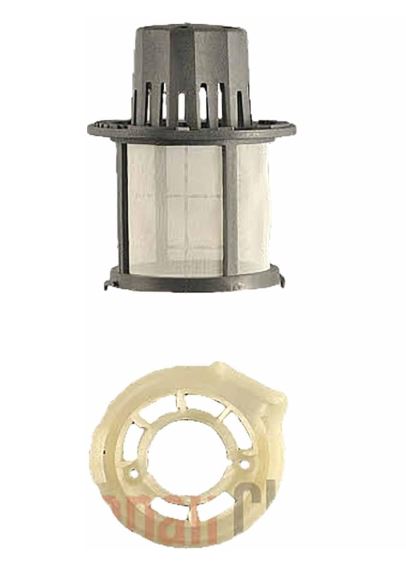
GE WD49X24057 Dishwasher Ultra Fine Filter Kit
This is the genuine OEM replacement filter kit for a wide range of GE dishwasher models, including GDT, GDF, PDT, and ZDT series. It replaces multiple legacy part numbers and earns strong verified buyer ratings for its fit and immediate improvement in drainage performance. Best for households experiencing recurring FTD, C1, C2, or C3 codes after cleaning the existing filter proves ineffective.
Affresh Dishwasher Cleaner Tablets (6-Count, 6-Month Supply)
Affresh is the number one recommended dishwasher cleaner brand by Whirlpool, Maytag, KitchenAid, Amana, and JennAir, and it earns over 53,000 five-star ratings on Amazon for good reason. Each tablet cleans deep inside the pump, tub, spray arms, and drain hoses, removing limescale, mineral deposits, and odor-causing bacteria. Running one monthly prevents the buildup that triggers drainage and temperature error codes before they appear.
WD21X10519 GE Dishwasher Flood Switch and Thermistor Assembly
This replacement flood switch addresses C4, C7, and heating-related faults. It is compatible with most ADT, CDT, DDT, GDF, GDT, PDT, and ZDT series GE dishwashers and earns outstanding buyer reviews, with many customers reporting that this single part resolved multiple issues including failure to heat, incomplete drying, and drainage problems simultaneously. Installation takes approximately 15 minutes with a quarter-inch nut driver and no specialist knowledge required.
Maintenance Habits That Prevent Most GE Dishwasher Error Codes
Consistent maintenance eliminates the majority of GE dishwasher error codes before they appear. These five habits address the root causes of the most common faults directly.
| Habit | Frequency | Codes Prevented |
|---|---|---|
| Clean the filter | Monthly | FTD, C1, C2, C3 |
| Run hot water at sink before starting | Every cycle | C6, F99 |
| Inspect door gasket for cracks | Every 3 months | F34 |
| Clean float switch area | Monthly | C4 |
| Run Affresh dishwasher cleaner tablet | Monthly | H2O, FTD, C6 |
| Check hose connections | Annually | F34 |
Frequently Asked Questions
Why does my GE dishwasher keep showing the same error code after I reset it?
A recurring code after a hard reset means a physical component has failed, not a temporary glitch. Stop running the machine and diagnose the specific fault using the steps above. Continuing to reset and run the dishwasher with an active code frequently worsens the damage and turns a simple repair into a costly one.
Can I run my GE dishwasher while an error code is displayed?
It depends on the code. PF, F128, and Code + H are safe to clear and continue. However, never run the machine with an active H2O, FTD, F34, or C4 code without first addressing the underlying cause. Doing so risks burning out the drain pump, causing a flood, or damaging the heating element.
How do I find my GE dishwasher model number?
Open the dishwasher door and check the inner door edge or the tub frame visible with the door open. The model number appears on a sticker or metal plate in one of those locations. Write it down before ordering any replacement parts to confirm compatibility.
How often should I clean my GE dishwasher filter?
Clean it monthly for average household use, or every two weeks if you run the dishwasher daily or rarely pre-rinse dishes. A clean filter prevents the majority of drainage codes and also improves cleaning performance noticeably.
What does it cost to repair a GE dishwasher professionally?
Minor repairs like a drain pump replacement typically run $100 to $200 in parts and labor. Control board replacements cost $200 to $400 installed. If the repair cost exceeds half the price of a new comparable dishwasher, replacement often makes better long-term financial sense.
Also Read:
- Why is Your GE Dishwasher Start Button Not Working? (Fixed)
- How to Troubleshoot Your GE Profile Dishwasher’s Control Panel
Take Control of Your Dishwasher Before It Takes Control of You
Most GE dishwasher error codes are not death sentences for your appliance. They are diagnostic signals pointing you toward a specific, fixable problem, often one that costs less than $30 in parts and 20 minutes of your time. The key is acting on the code quickly rather than resetting it repeatedly and hoping it goes away.
Start with the reset, follow the diagnostic steps for your specific code, stock the right parts and cleaning products, and commit to monthly maintenance. Do that and your GE dishwasher will reward you with years of reliable, error-free performance. When you are ready to tackle any repair, the resources and products above give you everything you need to get started right now.

Hi, I’m Barlgan! I created Repair Me Yourself to empower homeowners to tackle appliance repairs with confidence. From decoding error codes to fixing cooling issues, I break down complex repairs into simple, actionable steps that save you time and money.