
Your Whirlpool microwave is running perfectly. The turntable spins, the lights are on, and the timer counts down as it should. But when the cycle ends, your food is still ice cold. Sad to say, your Whirlpool microwave is not heating.
This is one of the most frustrating microwave problems because everything looks normal. The control panel works fine, all the sounds seem right, and there’s no obvious issue. Yet the one thing your microwave is supposed to do isn’t happening.
A Whirlpool microwave won’t heat food due to magnetron burnout, high-voltage diode failure, defective capacitors, blown thermal fuses, or damaged waveguide covers. I’ll show you how to identify which component failed and what it costs to fix.
This guide covers all fifteen causes of heating failures in Whirlpool microwaves, from complete no-heat situations to intermittent problems where it works sometimes but not others.
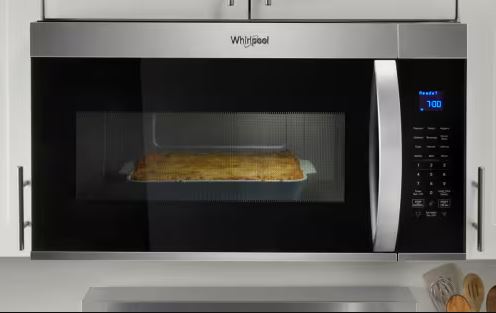
Quick Diagnosis for a Whirlpool Microwave Not Heating
| Symptom | Extra Sounds | When It Happens | What’s Wrong | DIY Safe? | Repair Cost |
|---|---|---|---|---|---|
| No heat, runs normal | Slight hum | Always | Magnetron failure | No | $250-$400 |
| No heat, loud buzzing | Loud humming | Always | Capacitor failure | No | $150-$280 |
| No heat, silent | No magnetron hum | Always | Thermal fuse blown | No | $100-$180 |
| Weak heating | Normal sounds | Always | High-voltage diode | No | $120-$220 |
| Works cold, fails warm | Normal at first | After warmup | Thermal protection | No | $150-$280 |
| No heat after cleaning | Sparking noticed | After cleaning | Waveguide damage | Yes | $5-$30 |
| Random heating | Varies | Randomly | Loose connections | Maybe | $80-$200 |
| No turntable or heat | Silent | Always | Door switch failure | Maybe | $80-$180 |
How Whirlpool Microwaves Generate Heat
Whirlpool microwaves don’t use traditional heating elements like ovens do. They generate heat through electromagnetic waves, and understanding this system helps you troubleshoot effectively.
The magnetron converts electrical energy into 2.45 GHz microwave radiation at this specific frequency that excites water molecules in your food. That molecular friction creates the heat that warms your food.
High-voltage components including the transformer, capacitor, and diode work together to provide over 4,000 volts to power the magnetron. Safety systems protect against overheating and component failure through thermal fuses, thermal cutoffs, and magnetron thermal protectors that interrupt operation when problems occur.
The waveguide channels microwave energy from the magnetron to the cooking cavity, so damage here prevents energy transmission despite the magnetron functioning properly.
15 Reasons for a Whirlpool Microwave Not Heating
Let’s dig into each component that can make your microwave run without producing heat.
1. Dead Magnetron (The Main Heating Component)
The magnetron is the most critical heating component, and when it fails, you get absolutely zero heating despite everything looking perfect. Magnetrons typically last 8 to 12 years with proper use, but running microwaves empty or power surges cause premature failure.
A functioning magnetron produces a distinctive low-frequency humming during operation, so complete silence during cooking cycles indicates magnetron failure. Visual inspection sometimes reveals burnt magnetron terminals, though internal filament failure creates no external signs you can see.
Professional testing measures magnetron current draw where proper operation requires 10 to 15 amps during cooking cycles.
2. Degraded High-Voltage Diode
The high-voltage diode works with the capacitor to double voltage going to the magnetron. Partial failure reduces heating efficiency dramatically where symptoms include progressively weaker heating over weeks and food requiring double or triple normal cooking time.
A failing microwave diode often produces a burning electrical smell before complete failure, and this acrid odor warns of impending breakdown. Testing requires specialized high-voltage equipment because standard multimeters can’t properly evaluate diode condition under operating voltage.
Diode replacement costs $120 to $220 including professional diagnosis and installation, though the component itself costs only $15 to $30.
3. Failed High-Voltage Capacitor
Capacitors store massive electrical charges up to 5,000 volts even after unplugging, which makes them extremely dangerous for DIY attempts. Failed capacitors prevent adequate voltage delivery to the magnetron where the unit runs but produces minimal or zero heat.
Loud humming or buzzing during operation indicates capacitor problems, and these sounds often precede complete failure by days. Bulging or leaking capacitors are visible during inspection as physical signs indicating definite replacement necessity.
Capacitor replacement costs $150 to $280 professionally. Never attempt DIY capacitor work because the electrocution risk is lethal.
4. Blown Thermal Fuse
Thermal fuses protecting the magnetron blow when temperatures exceed safe limits, and once activated, these one-time devices require replacement. Overheating from blocked ventilation or magnetron problems triggers thermal fuses, so simply replacing fuses without addressing causes guarantees repeat failures.
Testing requires multimeter continuity checks, where blown fuses show infinite resistance across terminals. Whirlpool places thermal fuses near magnetrons and in exhaust pathways where access requires cabinet disassembly.
Always identify why thermal fuses blew before replacement because inadequate ventilation is the most common cause.
5. Cycling Thermal Cutoff
Unlike one-time thermal fuses, thermal cutoffs reset after cooling and create intermittent heating failures. These devices open circuits during overheating then close when temperatures normalize, which explains why microwaves work when cold but fail after use.
Thermal cutoffs sometimes stick in open position after tripping to create permanent failure requiring component replacement. Improving ventilation prevents thermal cutoff activation through cleaning exhaust vents and ensuring proper clearance around the unit.
Professional diagnosis identifies whether cutoffs are faulty or responding appropriately to actual overheating, and this distinction prevents unnecessary replacement.
6. Failed Door Interlock Switches
Door switches serve as safety interlocks preventing magnetron operation with open doors, and failed switches create no-heat conditions. The magnetron won’t receive power unless all three door switches indicate closed position where one failed switch disables heating entirely.
The turntable and light may still function because they operate on different circuits where only magnetron activation is prevented. Listen for three distinct clicks when closing the door because missing or weak clicks indicate switch or alignment problems.
Door switch replacement costs $80 to $180 professionally, and replacing all three simultaneously prevents repeat service calls.
7. Broken High-Voltage Transformer
The transformer converts 120-volt household power to the 4,000+ volts needed for magnetron operation where transformer failure prevents all heating. Primary winding failures are rare but catastrophic where the transformer draws no current and the magnetron receives zero power.
Secondary winding failures are more common where the transformer operates but delivers insufficient voltage for magnetron activation. Testing requires measuring secondary winding voltage under load as a specialized procedure needing professional equipment.
Transformer replacement costs $180 to $320 including labor because this component is substantial and requires careful installation.
8. Damaged Waveguide Cover
The waveguide cover protects the magnetron opening from food splatter, and damaged covers allow food particles into the waveguide channel. Burnt or damaged covers cause arcing that destroys magnetrons, so prevention through replacement saves expensive magnetron repairs.
Visual inspection easily identifies damaged waveguide covers where burn marks, holes, or warping indicate replacement necessity. Replacement covers cost $5 to $15 and represent the easiest heating-related repair where you remove the old cover, clean thoroughly, and install the replacement.
This repair is completely DIY-safe because no high-voltage exposure occurs inside the cooking cavity.
9. Faulty Magnetron Thermal Protector
The magnetron includes integral thermal protection preventing overheating damage, and when this device opens, heating stops. Thermal protectors usually reset after cooling where microwaves work when cold but refuse to heat after brief use.
Repeated protector activation indicates inadequate magnetron cooling, so clean cooling fins and verify fan operation. Continuous cycling despite adequate cooling proves protector failure where the device trips at incorrect temperatures.
Magnetron replacement becomes necessary when thermal protectors malfunction repeatedly because the component is failing and poses fire risks.
10. Control Board Power Supply Problems
Control boards include voltage regulation circuits providing power to various systems, and when these fail, magnetron circuits lose power. The display and control functions continue because they use separate power rails, which creates confusing partial failures.
Professional testing measures voltage at magnetron control circuits where expected readings vary by model but typically range 12 to 24 volts DC. Control board replacement costs $200 to $380 for most Whirlpool models, making this repair economically sensible for built-in units.
Some electronics specialists repair board-level defects where component replacement costs $120 to $200 when feasible.
11. Loose or Corroded Electrical Connections
High-voltage connections can loosen from thermal cycling and vibration where poor contact prevents adequate power delivery. Intermittent heating often results from marginal connections where the microwave works sometimes when connections happen to contact properly.
Arcing at connection points creates burn marks and additional corrosion in progressive damage that worsens over time. Professional inspection identifies loose connections where cleaning and tightening restores proper function.
Connection repair costs $80 to $150 professionally as a relatively simple repair that prevents expensive component replacement.
12. Broken Magnetron Cooling Fan
Cooling fans prevent magnetron overheating during operation where fan failure causes thermal protection activation preventing heating. Some Whirlpool models won’t attempt heating without confirmed fan operation where the control board detects missing fan signals.
Listen for fan noise during operation because silence except for turntable indicates fan motor failure. Fan motor replacement costs $80 to $150 including parts and labor where this repair requires partial cabinet disassembly.
Blocked fan blades sometimes mimic motor failure, so check for debris before replacing motors.
13. Low Voltage from Your Outlet
Inadequate electrical supply voltage prevents proper magnetron operation where the microwave functions but heating is weak or absent. Shared circuits with other high-draw appliances cause voltage drops that dedicated 20-amp circuits eliminate.
Test outlet voltage under load using a multimeter (View on Amazon), where readings below 110 volts indicate electrical problems requiring correction. Loose outlet connections create high resistance reducing available voltage that an electrician can repair.
Electrical service costs $150 to $400 depending on work required, and this infrastructure repair benefits all connected appliances.
14. Accidentally Activated Demo Mode
Demo mode allows showroom display without heating, and accidentally activated demo mode mimics complete heating failure perfectly. The microwave operates normally through all sequences but never activates the magnetron where food remains cold despite completed cycles.
Press and hold “0” then “Start” simultaneously for 5 seconds where some models display “DEMO OFF” confirmation. Alternative deactivation involves pressing “Stop/Cancel” three times rapidly, then holding “Start” for 5 seconds since model variations exist.
After deactivation, run a heating test with water because demo mode errors are surprisingly common and completely free to fix.
15. Burnt Magnetron Antenna Cap
The magnetron antenna cap forms the connection point where microwave energy enters the waveguide, and cap failures prevent energy transmission. This less common failure creates symptoms identical to magnetron burnout where the magnetron functions but energy doesn’t reach the cavity.
Inspection reveals burnt or damaged antenna caps where replacement requires magnetron removal for access. Some technicians replace antenna caps separately, though magnetron age usually justifies complete magnetron replacement.
This failure typically occurs on microwaves 8+ years old where component age makes complete magnetron replacement the better choice.
Noise Problems When Your Whirlpool Microwave Won’t Heat
Unusual sounds accompanying heating failures provide critical diagnostic information where different noises indicate specific component problems. Normal microwave operation includes turntable motor noise, cooling fan sounds, and low magnetron hum, so abnormal sounds warn of failures.
Loud Buzzing or Humming Sounds
Loud humming significantly louder than normal indicates capacitor problems where the capacitor struggles to maintain proper voltage. This sound often increases in volume over days or weeks before complete failure, so early diagnosis prevents additional damage.
Buzzing accompanied by no heating definitively indicates capacitor failure where the component can’t sustain adequate voltage for magnetron operation. Never operate microwaves producing loud buzzing because component failure may damage other systems through voltage irregularities.
Professional diagnosis and replacement costs $150 to $280 total where capacitor work requires specialized safety procedures.
Clicking or Relay Noises
Clicking relays without magnetron activation indicate the control board attempting operation where the board sends commands but the magnetron doesn’t respond. Multiple rapid clicks suggest the control board detects problems and cycles power repeatedly as protection that prevents component damage.
Relay sounds prove the control board functions where the failure exists in high-voltage components or safety interlocks. Persistent clicking without heating requires professional diagnosis where the control board communicates problems through click patterns.
This symptom pattern helps technicians narrow diagnosis quickly, so document click frequency and timing for service appointments.
Grinding or Rattling Noises
Grinding indicates mechanical failures rather than electrical problems where turntable motor issues or foreign objects cause these sounds. Magnetron cooling fan bearings can produce grinding when failing as a secondary failure that prevents heating through thermal protection.
Remove the turntable and roller guide to inspect for foreign objects or damaged components. Clean thoroughly and test again because if grinding persists, fan motor or turntable motor replacement is necessary.
Mechanical noise repairs cost $80 to $180 depending on component as moderately straightforward repairs.
Arcing or Sparking Noises
Arcing creates distinctive crackling or popping sounds that indicate electrical discharge inside the cavity. Waveguide cover damage causes most arcing where food particles on the cover or in the waveguide channel create discharge paths.
Metal objects, aluminum foil, or metallized containers cause arcing, so remove all metal from the cavity. Arcing damages magnetrons through reflected energy, so stop operation immediately when arcing occurs.
Clean the cavity thoroughly and replace waveguide covers to prevent expensive magnetron damage.
Complete Failure: No Heat and Turntable Won’t Turn
Complete system failure affecting both heating and turntable operation indicates specific component failures affecting multiple systems. The turntable motor and magnetron receive power through separate circuits, so shared component failures affect both simultaneously.
Door Switches: The Most Common Cause
Door interlock switches must close before any cooking functions activate, and failed switches prevent both turntable and heating. This is actually proper safety system operation where the control board correctly refuses to operate with detected door problems.
Test by listening for three clicks during door closure because missing clicks definitively indicate switch or alignment issues. Door switch replacement resolves both heating and turntable issues simultaneously where the repair costs $80 to $180 professionally.
This symptom pattern simplifies diagnosis because one repair restores all functions.
Total Control Board Failure
Total control board failure prevents all cooking operations where the display may function while cooking circuits don’t. Power supply sections on control boards fail independently where display power continues while cooking circuit power fails.
Professional testing measures voltages throughout the control board to identify specific failed sections. Control board replacement costs $200 to $380 as a comprehensive repair that restores all functions simultaneously.
Consider microwave age and value before authorizing expensive board replacement by comparing against replacement costs.
Blown Main Fuse
The main line fuse protects against power surges, and when blown, no cooking functions operate though displays may work. Line fuse testing requires multimeter continuity checks where blown fuses show infinite resistance.
Always identify why fuses blew before replacement because power surges, component shorts, or overloads cause fuse failures. Replacement fuses cost $3 to $8 where professional replacement including diagnosis costs $80 to $150.
If replacement fuses blow immediately, serious component failures exist and comprehensive diagnosis becomes necessary.
Overheating Protection Triggered
Blown thermal fuses protecting multiple systems prevent all operations where these strategic fuses disable cooking completely. Thermal fuses near transformers protect entire high-voltage systems where one blown fuse affects heating, turntable, and fan.
Improving ventilation prevents repeat thermal fuse failures, so address airflow before replacing fuses. Professional thermal fuse replacement costs $100 to $180 where access requires cabinet disassembly and proper safety procedures.
This symptom pattern indicates overheating problems requiring correction, so don’t ignore thermal protection warnings.
Heating Problems After Cleaning Your Whirlpool Microwave
Post-cleaning heating failures typically stem from cleaning-related damage rather than coincidental component failure. Specific cleaning mistakes cause these problems, and understanding common cleaning damage helps prevent expensive repairs.
Scrubbing Damage to the Waveguide Cover
Scrubbing the waveguide cover with abrasive pads scratches or punctures the protective surface where damaged covers allow food particles into the waveguide. Using harsh chemicals weakens the mica or plastic material where the cover becomes brittle and develops cracks.
Excessive moisture during cleaning can seep behind the waveguide cover, and this moisture causes arcing when the microwave operates. Visual inspection reveals damaged covers, so replace covers showing any burn marks, discoloration, or physical damage.
Replacement covers cost $5 to $15 as a simple DIY repair that prevents magnetron damage costing $250 to $400.
Water Getting Into Control Areas
Spray cleaning products directly onto control panels allow liquid seepage where moisture penetrates behind touchpads damaging control boards. Cleaning around door seals forces water into switch mechanisms causing corrosion that prevents proper operation.
Always spray cleaners onto cloths rather than directly onto surfaces, and wipe controls with slightly damp cloths only. If water infiltration is suspected, unplug and allow 48-hour drying because many moisture issues resolve through thorough drying.
Persistent problems after drying indicate actual corrosion damage where professional cleaning or component replacement becomes necessary.
Knocked Loose or Lost Thermal Fuses
Aggressive cleaning can physically dislodge thermal fuses attached near accessible areas where fuse wires disconnect preventing operation. Some users mistakenly remove and discard small components thinking they’re debris, and thermal fuses are small and easily lost.
Interior panel removal for deep cleaning sometimes damages wiring where pinched or broken wires prevent heating function. Professional inspection identifies dislodged components where reinstallation or replacement restores function.
This diagnosis prevents expensive component replacement when simple reinstallation suffices, so always inspect for loose components.
Improper Reassembly After Deep Cleaning
Removing panels for cleaning sometimes results in incorrect reassembly where misrouted wires or loose connections prevent operation. Touchpad ribbon cables can disconnect during cleaning, and these flat cables require careful handling.
Door alignment changes if hinges are disturbed where misaligned doors prevent switch engagement. Photograph assembly before any disassembly because reference photos guide correct reassembly.
Professional reassembly service costs $60 to $120 to prevent expensive misdiagnosis when reassembly is the actual problem.
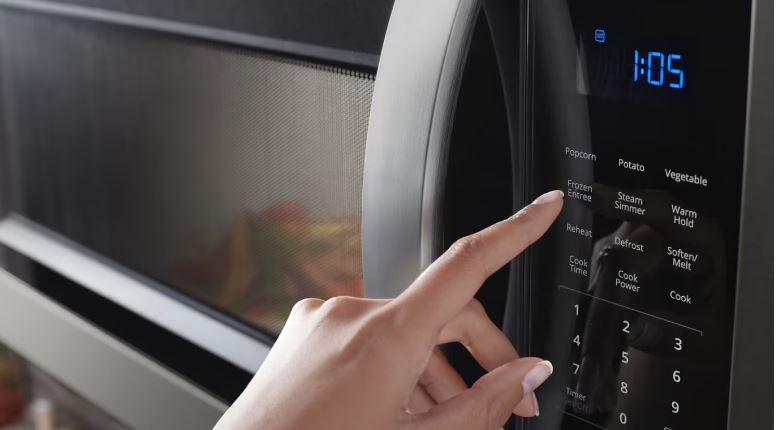
Microwave Runs But Food Stays Cold
This specific symptom indicates successful control system operation but failed heat generation, and the distinction narrows diagnosis significantly. Everything appears normal except the actual heating where turntable rotates, timer counts, lights work, but food stays cold.
Here are the likely culprits when your microwave runs but won’t heat the food:
Magnetron: The Primary Suspect
When all systems except heating function, the magnetron has likely failed because this component exclusively handles heat generation. The control board successfully commands heating, the safety interlocks clear properly, and power reaches the high-voltage system.
However, the magnetron can’t convert electrical energy to microwave radiation where internal filament burnout prevents operation. Testing the magnetron requires professional equipment through current draw measurements and continuity tests that identify failures.
Magnetron replacement costs $250 to $400 professionally as a single repair that restores heating completely.
High-Voltage Diode: Secondary Suspect
High-voltage diode failure prevents adequate voltage delivery where the magnetron receives insufficient power for proper operation. Partial diode failures create weak heating rather than zero heating where food warms slightly but nowhere near normal.
Complete diode failure results in no heating despite perfect operation appearance where the failure is electrically silent. Professional diagnosis differentiates between magnetron and diode failures to prevent incorrect expensive magnetron replacement.
Diode replacement costs $120 to $220 where proper diagnosis saves money by identifying the actual failed component.
Capacitor: Contributing Factor
Failed capacitors prevent voltage doubling necessary for magnetron operation where the high-voltage system can’t generate adequate power. Capacitor failures often produce loud humming sounds, though silent capacitor failures also occur.
Testing requires specialized high-voltage equipment through capacitance measurements that identify failed components. Capacitor replacement costs $150 to $280 where professional service is mandatory due to extreme electrical hazards.
Multiple component failures sometimes occur where magnetrons, diodes, and capacitors can fail in cascade patterns.
Intermittent Heating: Microwave Works Sometimes, Not Others
Intermittent heating represents the most challenging diagnostic scenario where the microwave works unpredictably making problem identification difficult. Pattern recognition helps identify intermittent failure causes, so document when heating works and when it doesn’t.
Thermal Protection Cycling
Thermal cutoffs that reset after cooling create classic intermittent symptoms where the microwave works when cold but fails after warmup. This pattern indicates overheating rather than component failure where the thermal protection system functions correctly.
Improving ventilation resolves thermal cycling through cleaning exhaust vents, replacing grease filters, and ensuring adequate clearance. If improved ventilation doesn’t help, thermal cutoff replacement is necessary because the device trips at incorrect temperatures.
Document the warm-versus-cold heating pattern for technicians because this information dramatically accelerates diagnosis.
Loose or Oxidized Connections
High-voltage connections can oxidize creating intermittent contact where the microwave works when connections happen to contact properly. Thermal expansion and contraction affects connection quality where cold connections work better than warm connections.
Vibration from turntable operation can momentarily restore or break connections to create unpredictable heating patterns. Professional inspection identifies loose connections where cleaning oxidation and tightening resolves most intermittent issues.
Connection repair costs $80 to $150 as a relatively simple repair that prevents expensive component replacement.
Degrading Magnetron
Magnetrons can fail gradually rather than suddenly where the component works intermittently as internal degradation progresses. Heating may work for brief cycles but fail during longer cooking where extended operation exceeds the degrading magnetron’s capability.
Random heating failures with no pattern indicate progressive magnetron decline where the component approaches complete failure. Professional testing measures magnetron performance under varying conditions through load testing that reveals marginal components.
Magnetron replacement prevents complete failure by addressing degrading magnetrons before being without a microwave.
Voltage Supply Fluctuations
Inconsistent line voltage from electrical supply issues creates intermittent heating where the magnetron requires stable 115 to 120-volt power. Shared circuits with other appliances cause voltage drops when multiple devices operate where the microwave works alone but fails with other loads.
Loose outlet connections create intermittent high resistance where the microwave works sometimes when connections happen to be good. Test outlet voltage during operation attempts by measuring during both successful and failed heating cycles.
Electrical service resolves voltage issues through dedicated circuits and connection tightening that provide stable power.
Temperature-Dependent Component Failures
Some component failures are temperature-sensitive where cold components work but fail when warmed by operation. Cracked solder joints on control boards create intermittent connections where thermal expansion temporarily restores contact.
Thermal expansion affects capacitor internal structures where marginal capacitors work cold but fail when warmed. Professional diagnosis using thermal cycling testing identifies temperature-dependent failures through testing components at various temperatures.
This advanced diagnosis requires specialized equipment where temperature chamber testing costs additional but identifies difficult failures.

Simple Tests You Can Do Yourself
Systematic testing identifies heating failures efficiently without unnecessary parts replacement.
The Water Heating Test
Fill a microwave-safe container with 1 cup room-temperature water and run a 2-minute cycle at full power. Water should reach near-boiling after 2 minutes where tepid water indicates weak heating and cold water indicates zero heating.
This simple test definitively confirms heating capability, so use consistent water amounts for repeatable results. Repeat the test multiple times for intermittent issues and document success and failure patterns.
This baseline test guides further diagnosis where technicians appreciate having clear heating capability information.
Sound Analysis During Operation
Listen carefully during heating attempts to identify normal versus abnormal sounds. Normal sounds include turntable motor, cooling fan, low magnetron hum, and transformer hum.
Abnormal sounds include loud buzzing, grinding, clicking, arcing, or complete silence. Document sounds accompanying heating failures because audio recordings help technicians diagnose remotely.
Sound patterns often indicate specific component failures, and this information accelerates professional diagnosis.
Voltage Supply Testing
Measure outlet voltage before and during operation attempts using a quality multimeter (View on Amazon) for accuracy. Voltage should remain 115 to 120 volts under full microwave load where drops below 110 volts indicate electrical problems.
Test at different times of day because voltage fluctuations from grid loading cause intermittent issues. Compare voltage during successful versus failed heating attempts where voltage correlation confirms electrical supply problems.
Electrical repairs fall outside microwave repair scope, so document voltage issues for electrician service.
Whirlpool Microwave Repair Cost Breakdown
| Component | Parts Cost | Labor Cost | Total Professional | DIY Safe? | Difficulty |
|---|---|---|---|---|---|
| Waveguide cover | $5-$15 | $40-$80 | $45-$95 | Yes | Easy |
| Door switches | $40-$60 | $60-$120 | $100-$180 | Maybe | Moderate |
| Thermal fuse | $5-$10 | $80-$150 | $85-$160 | No | Moderate-Hard |
| High-voltage diode | $15-$30 | $100-$180 | $115-$210 | No | Hard |
| Capacitor | $40-$80 | $100-$200 | $140-$280 | Never | Extreme danger |
| Magnetron | $120-$180 | $120-$200 | $240-$380 | Never | Extreme danger |
| Control board | $180-$280 | $80-$150 | $260-$430 | Maybe | Moderate |
Preventing Heating Failures
Regular maintenance prevents many heating failures and extends component life.
Never Run Empty
Always have food or liquid inside when operating because empty operation causes reflected energy damaging the magnetron. Even 30 seconds without load causes permanent damage as the leading cause of premature magnetron failure.
Keep a microwave-safe cup of water inside when not in use to provide emergency load protection. Educate family members about this critical rule because children and guests often don’t understand the technical reasons.
Maintain Proper Ventilation
Over-the-range models require clean grease filters monthly because clogged filters reduce cooling efficiency dramatically. Countertop models need 3 to 4 inches clearance on vented sides where blocked vents cause thermal protection activation.
Built-in models depend on cabinet ventilation paths, so verify these remain clear during annual maintenance. Clean exhaust vents and fan blades semi-annually because dust accumulation reduces cooling capacity.
Use Microwave Covers
Splatter covers (View on Amazon) prevent food particles from reaching the waveguide cover where this small investment prevents $250 magnetron repairs. Clean the interior after messy foods without allowing splatter to dry and harden on surfaces.
The waveguide cover area needs special attention as a critical component requiring protection. Replace waveguide covers at first sign of damage because preventive replacement costs far less than magnetron damage.
Install Surge Protection
Quality surge protectors (View on Amazon) prevent hundreds in repair costs where surge damage destroys expensive components. Replace surge protectors every 3 to 5 years because protection degrades after absorbing surges.
Whole-house surge protection offers superior defense through panel-mounted devices that protect all appliances simultaneously. Unplug during electrical storms because surge protectors can’t handle direct lightning strikes.
Common Questions
Why is my Whirlpool microwave not heating but everything else works?
Whirlpool microwaves that run but don’t heat typically have failed magnetrons, defective high-voltage diodes, or blown capacitors. The control system works perfectly but electromagnetic wave generation fails. Professional diagnosis costs $85 to $150 and identifies the specific failed component. Magnetron replacement costs $250 to $400, diode replacement $120 to $220, and capacitor replacement $150 to $280.
What causes a microwave to make noise but not heat?
Loud buzzing or humming without heating indicates capacitor failure where the capacitor struggles to maintain voltage for magnetron operation. Never continue operating microwaves making loud abnormal sounds because component failure may damage additional systems. Professional capacitor replacement costs $150 to $280 and requires specialized safety procedures due to lethal stored voltage.
Why did my Whirlpool microwave stop heating after I cleaned it?
Post-cleaning heating failures typically stem from damaged waveguide covers, water infiltration into control areas, or dislodged components. Aggressive scrubbing damages waveguide covers causing arcing while spraying cleaners directly on panels allows moisture seepage. Always spray cleaners on cloths, never directly on the microwave. Waveguide cover replacement costs $5 to $15 and prevents $250+ magnetron damage.
How do you fix a microwave that heats intermittently?
Intermittent heating indicates thermal protection cycling, loose connections, degrading magnetrons, or voltage supply fluctuations. Document patterns where works when cold but fails when warm suggests thermal issues, while random failures indicate loose connections or dying magnetrons. Professional diagnosis costs $85 to $150 and identifies temperature-dependent failures. Connection repairs cost $80 to $150, magnetron replacement $250 to $400.
Can you replace a magnetron yourself?
Never attempt DIY magnetron replacement because the high-voltage capacitor retains lethal 5,000+ volt charges days after unplugging. Professional technicians use specialized discharge tools and safety procedures where improper installation creates radiation leakage causing serious health hazards. Professional magnetron replacement costs $250 to $400 including safe discharge, installation, and testing.
Why does my Whirlpool microwave heat sometimes but not always?
Inconsistent heating results from thermal cutoffs cycling, oxidized electrical connections, degrading magnetron components, or fluctuating line voltage. Test outlet voltage during both successful and failed attempts where drops below 110 volts indicate electrical problems. Thermal patterns like works cold, fails warm suggest overheating. Professional diagnosis identifies specific causes where connection repairs cost $80 to $150, thermal cutoff replacement $150 to $280.
Bottom Line
Whirlpool microwave heating failures stem from identifiable high-voltage component issues requiring professional diagnosis and repair. Understanding whether heating fails completely, intermittently, or after specific triggers guides appropriate troubleshooting.
Most heating problems require magnetron, diode, or capacitor replacement costing $120 to $400 professionally, while waveguide cover damage offers rare DIY repair opportunities costing under $15. Pattern recognition accelerates diagnosis dramatically where microwaves that heat when cold but fail when warm indicate thermal issues, units producing loud buzzing point to capacitor failures, and post-cleaning failures suggest waveguide or moisture damage.
Professional service provides safe, effective repairs for high-voltage components while preventive maintenance extends component life and reduces failure frequency.

Hi, I’m Barlgan! I created Repair Me Yourself to empower homeowners to tackle appliance repairs with confidence. From decoding error codes to fixing cooling issues, I break down complex repairs into simple, actionable steps that save you time and money.