
Getting your fridge temperature right isn’t just about following a number—it’s about protecting your family from foodborne illness, extending the life of your groceries, and even reducing your energy bills. According to the CDC, improperly stored food contributes to the 48 million cases of foodborne illness reported in the United States each year.
If you’re wondering what temperature your refrigerator should be set to, here’s the quick answer: 37°F (3°C) for your refrigerator and 0°F (-18°C) for your freezer. These FDA-recommended temperatures keep your food safe while maximizing freshness and minimizing energy waste.
In this guide, you’ll learn exactly why these temperatures matter, how to measure and adjust your fridge settings accurately, and what signs indicate your refrigerator isn’t maintaining the proper temperature.
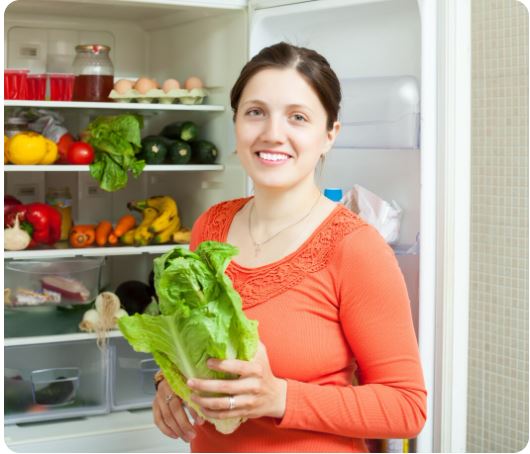
Best Temperature for Refrigerator and Freezer
The U.S. Food and Drug Administration (FDA) and the United States Department of Agriculture (USDA) have established clear temperature guidelines for home refrigeration:
| Appliance | Recommended Temperature | Acceptable Range |
|---|---|---|
| Refrigerator | 37°F (3°C) | 35-38°F (2-3°C) |
| Freezer | 0°F (-18°C) | 0°F (-18°C) or below |
Why 37°F (3°C) Is the Sweet Spot for Setting the Refrigerator
The optimal refrigerator temperature of 37°F strikes a careful balance. At this temperature, bacterial growth slows dramatically without freezing your fresh produce, dairy products, or beverages. Water freezes at 32°F (0°C), so setting your fridge below 35°F risks ice crystals forming in high-moisture foods like lettuce, tomatoes, and milk.
While the FDA permits temperatures up to 40°F, I recommend aiming for 37°F because it provides a safety buffer. Every time you open your refrigerator door, warm air enters and the internal temperature rises temporarily. Starting at 37°F means these fluctuations are less likely to push your fridge into the danger zone.
Freezer Temperature Requirements
Your freezer should maintain a constant 0°F (-18°C) or colder. At this temperature, bacterial growth stops completely (though bacteria aren’t killed—they simply become dormant). This temperature also preserves food quality, preventing freezer burn and maintaining texture for months of storage.
Why These Temperatures Matter for Food Safety
Understanding the science behind these temperature recommendations helps explain why precision matters when it comes to refrigeration.
The Danger Zone
Food safety experts define the “danger zone” as temperatures between 40°F and 140°F (4°C to 60°C). Within this range, harmful bacteria multiply at alarming rates—doubling in number every 20 minutes under optimal conditions.
Common foodborne pathogens that thrive in improperly refrigerated food include:
- Salmonella: Commonly found in poultry, eggs, and dairy products
- E. coli: Often present in ground beef and fresh produce
- Listeria monocytogenes: Can grow even at refrigerator temperatures if your fridge is too warm
- Staphylococcus aureus: Produces toxins in foods left at unsafe temperatures
According to the Centers for Disease Control and Prevention (CDC), one in six Americans gets sick from contaminated food each year. Proper refrigeration is your first line of defense against these statistics.
Impact on Different Food Types
Different foods respond differently to temperature variation:
High-Risk Foods (require strict temperature control):
- Raw and cooked meat, poultry, and seafood
- Dairy products (milk, cheese, yogurt)
- Cut fruits and vegetables
- Cooked rice and pasta
- Eggs and egg-based dishes
Moderate-Risk Foods:
- Whole fruits and vegetables
- Hard cheeses
- Butter
- Condiments (once opened)
Even a few degrees can make the difference between safe storage and rapid spoilage. Milk stored at 45°F, for example, will spoil nearly twice as fast as milk stored at 37°F.
How to Check Your Refrigerator Temperature Accurately
Your refrigerator’s built-in temperature display might not tell the whole story. Many built-in displays show the set temperature rather than the actual internal temperature, and they typically measure only one location inside the appliance.
Here’s how to check your refrigerator temperature:
Step-by-Step Temperature Testing
What you’ll need: An appliance thermometer (available for $5-15 at most stores)
- Purchase a reliable appliance thermometer: Look for one specifically designed for refrigerator/freezer (View on Amazon) use with a range of -20°F to 80°F
- Place the thermometer correctly: Put it in the center of the middle shelf, away from walls and the door
- Wait for an accurate reading: Leave the thermometer in place for at least 8 hours (overnight works well)
- Check without prolonged door opening: Read the temperature quickly to avoid warm air affecting the measurement
- Test multiple locations: For thoroughness, check the top shelf, middle shelf, and lower shelves, plus the door compartments
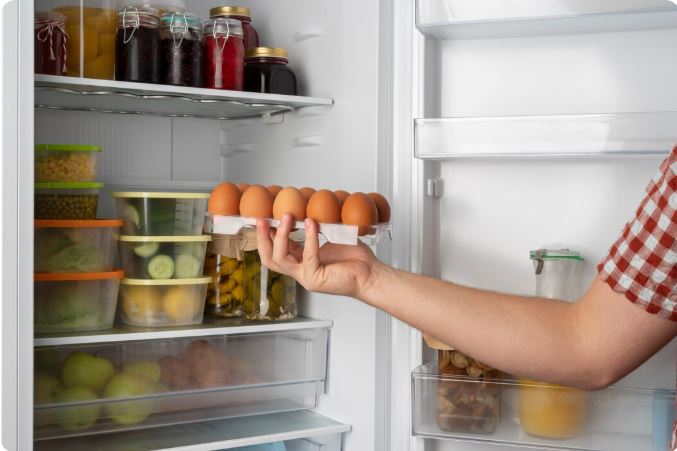
Understanding Refrigerator Temperature Zones
Most refrigerators have temperature variations between different areas:
| Location | Typical Temperature | Best For |
|---|---|---|
| Top shelves | Warmest (40-42°F) | Drinks, ready-to-eat foods, leftovers |
| Middle shelves | Moderate (37-39°F) | Dairy, eggs |
| Bottom shelves | Coldest (34-37°F) | Raw meat, fish, poultry |
| Door compartments | Warmest (40-45°F) | Condiments, juices, water |
| Crisper drawers | Moderate humidity (37-40°F) | Fruits and vegetables |
This is why you should never store milk or eggs in the door—those compartments experience the most temperature fluctuation.
Signs Your Fridge Temperature Is Wrong
Your refrigerator will often tell you when something’s wrong, if you know what to look for.
Warning Signs of Too-Cold Temperature (Below 32°F)
- Frozen lettuce, cucumbers, or other high-moisture vegetables
- Ice crystals forming on milk or juice containers
- Frost buildup on the back wall of the fridge
- Milk or beverages partially frozen
- Ice forming in crisper drawers
Warning Signs of Too-Warm Temperature (Above 40°F)
- Milk spoiling before the expiration date
- Excessive condensation inside the fridge
- Unusual or strong odors developing quickly
- Wilting vegetables within a day or two
- Meat or fish developing an off smell rapidly
- Cheese developing mold prematurely
- Noticeable warmth when you touch items on shelves
If you notice any of these signs, check your temperature immediately and make adjustments.
Relevant: How Long Can Food Last in the Fridge Without Power?
Factors That Affect Refrigerator Temperature
Even when you set your refrigerator to the right temperature, various factors can cause fluctuations that compromise food safety.
Common Temperature Disruptors
Frequent door opening: Each time you open the refrigerator door, warm room air rushes in. During meal preparation or when you have guests, your fridge might open dozens of times per hour, preventing it from maintaining optimal temperature.
Refrigerator fullness: A moderately full refrigerator maintains temperature better than an empty one because the cold items help stabilize the temperature. However, an overstuffed fridge blocks air circulation, creating warm spots.
Room temperature and placement: If your refrigerator is located next to an oven, dishwasher, or in direct sunlight, it has to work harder to maintain cold temperatures. Ambient room temperatures above 90°F can significantly impact performance.
Worn door seals: Damaged or dirty door gaskets allow cold air to escape continuously. Test your seal by closing the door on a dollar bill. If you can pull it out easily, your seal needs attention.
Blocked air vents: Most refrigerators have vents that circulate cold air. Blocking these vents with food containers prevents proper air flow and creates temperature inconsistencies.
Dirty condenser coils: Dust and debris on your refrigerator’s condenser coils (usually located on the back or bottom) reduce cooling efficiency, forcing the appliance to work harder while potentially failing to reach proper temperatures. If so, you should learn to clean the refrigerator coils.
How to Adjust Your Refrigerator Temperature
Making temperature adjustments requires patience and understanding of your specific appliance.
Finding and Using Temperature Controls
Temperature controls vary by refrigerator model:
- Dial controls: Usually numbered 1-5 or 1-7 (higher numbers mean colder temperatures, not specific degrees)
- Digital controls: Display actual temperature settings in degrees
- Slider controls: Often found in older models with a simple cold-to-coldest range
Making Effective Adjustments
- Make small changes: Adjust by only 2-3 degrees at a time
- Wait 24 hours: Your refrigerator needs time to stabilize after any adjustment
- Recheck the temperature: Use your appliance thermometer to verify the new temperature
- Document your settings: Note which setting achieves 37°F for future reference
- Adjust seasonally if needed: In very hot summer months, you might need to adjust slightly colder
After a Power Outage
If your refrigerator has been without power for more than 4 hours, check food safety carefully. If the temperature rose above 40°F, perishable foods may no longer be safe. When power returns, give your refrigerator 24 hours to reach proper temperature before restocking with new groceries.

When to Call a Professional
Contact a refrigerator repair technician if:
- Your fridge can’t maintain 40°F or below despite adjustments
- You hear unusual noises or clicking sounds
- The compressor runs continuously without cycling off
- Ice builds up excessively in the freezer
- Your energy bills spike unexpectedly
Energy Efficiency and Temperature
Setting your refrigerator colder than necessary wastes energy and money. For every degree below the recommended 37°F, you increase energy consumption by approximately 5%.
According to ENERGY STAR, refrigerators account for about 7% of total household energy use. A refrigerator running at 32°F instead of 37°F could add $50-75 to your annual electricity costs without any food safety benefit.
However, don’t sacrifice food safety for energy savings. The difference between 37°F (safe and efficient) and 40°F (maximum safe temperature) is negligible in terms of energy use but significant for food preservation.
Conclusion
Maintaining your refrigerator at 37°F and your freezer at 0°F isn’t just a recommendation—it’s essential for food safety, quality, and efficiency. These temperatures prevent bacterial growth, extend the life of your groceries, and keep your energy costs in check.
Take five minutes today to check your refrigerator temperature with an appliance thermometer. This simple action could prevent foodborne illness, save you money on spoiled food, and give you peace of mind that your family’s food is stored safely. Your fridge works 24/7 to protect your food—make sure it’s working at the right temperature.

Hi, I’m Barlgan! I created Repair Me Yourself to empower homeowners to tackle appliance repairs with confidence. From decoding error codes to fixing cooling issues, I break down complex repairs into simple, actionable steps that save you time and money.