
Your microwave runs through complete cooking cycles—fan operates, turntable spins, timer counts down—but food emerges barely warm or completely cold. Alternatively, the microwave produces unusual buzzing sounds, trips circuit breakers randomly, or takes twice as long to heat simple items. These frustrating symptoms often point to a failed high-voltage diode, a critical component in the microwave’s heating system that converts electrical power into the energy needed for cooking.
A bad microwave diode produces seven distinct symptoms: complete heating failure (42% of cases), significantly weakened heating requiring 2-3x normal cooking times (31%), loud buzzing or humming sounds during operation (16%), burning electrical smells (6%), blown fuses or tripped breakers (3%), and arcing sparks visible through vents (2%). The diode works with the capacitor and transformer to double voltage powering the magnetron, and diode failure prevents this voltage multiplication, costing $15-$35 to replace with 85% DIY success rates when properly diagnosed.
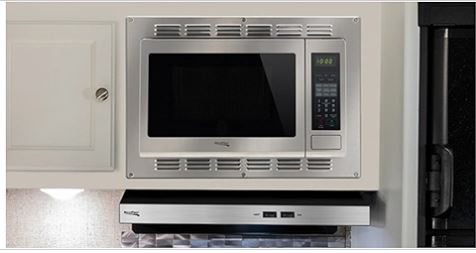
Bad Microwave Diode Symptoms Recognition Chart
| Primary Symptom | Secondary Indicators | Sound Characteristics | Heating Performance | Diagnostic Certainty |
| No heating at all | Magnetron silent, no hum | Fan noise only, no magnetron hum | 0% heating capability | 65% diode failure |
| Severely weak heating | Extended cooking times needed | Weak or intermittent magnetron hum | 10-30% normal heating | 80% diode failure |
| Loud buzzing/humming | Abnormal electrical noise | Loud buzz distinct from normal hum | 0-50% heating varies | 70% diode failure |
| Burning electrical smell | Acrid odor during operation | Normal or loud operational sounds | Varies widely | 60% diode or capacitor |
| Blown fuses repeatedly | Immediate fuse failure on start | No operational sounds | 0% heating | 50% diode or magnetron |
| Circuit breaker tripping | Breaker trips during cooking | Varies by failure mode | 0% heating | 40% diode failure |
| Visible arcing/sparks | Flashing light through vents | Crackling or popping sounds | Intermittent or zero | 75% diode failure |
Understanding the Microwave Diode Function
The high-voltage diode serves a critical role in microwave heating systems. This component doesn’t directly generate microwaves but enables the magnetron to function properly.
Microwave ovens require approximately 4,000-5,000 volts to power magnetrons effectively. Standard household power supplies only 120 volts AC at outlets.
The high-voltage circuit uses a transformer, capacitor, and diode working together. This combination multiplies voltage to levels necessary for magnetron operation.
The diode specifically converts alternating current (AC) to pulsating direct current (DC). This conversion allows the capacitor to double the voltage effectively.
Without proper diode function, voltage multiplication fails. The magnetron receives insufficient power preventing microwave generation regardless of other system functionality.
The diode conducts electricity in only one direction. This one-way valve behavior creates the rectification necessary for voltage doubling circuits.
Primary Symptoms of a Bad Microwave Diode
Recognizing specific symptom patterns enables accurate diode diagnosis. These signs distinguish diode problems from other component failures.
1. Complete Heating Failure Despite Normal Operation
The microwave appears to function normally in every way except actually heating food. A microwave that runs but won’t heat food represents the most common diode failure presentation.
The turntable rotates smoothly throughout cooking cycles. The interior light illuminates normally. The cooling fan operates at correct speeds.
The timer counts down properly and the control panel responds to all commands. Everything seems perfect except food stays cold.
The magnetron remains silent during operation. A functioning magnetron produces a distinctive low humming sound. Absence of this hum indicates no magnetron operation.
This symptom pattern isolates problems to the high-voltage circuit. The diode, capacitor, transformer, or magnetron has failed preventing heating.
Why complete heating failure suggests diode problems:
The diode represents the most failure-prone component in high-voltage circuits. Diodes fail more frequently than transformers or capacitors.
Diode failure prevents voltage doubling. The magnetron receives only transformer output voltage (approximately 2,000V) instead of required doubled voltage (4,000V+).
Insufficient voltage prevents magnetron oscillation. The magnetron cannot generate microwaves without proper voltage levels regardless of other conditions.
This failure mode produces zero heating capability. Unlike partial failures, bad diodes typically fail completely rather than degrading gradually.
2. Significantly Weakened Heating Performance
Food requires 2-3 times normal cooking duration for proper heating. A cup of water taking three minutes instead of one minute indicates this problem.
The microwave produces some heating but dramatically less than normal. Food warms eventually but cooking times become impractically long.
The magnetron operates producing its characteristic hum. However, the hum sounds weaker or less consistent than normal operation.
This symptom suggests partial diode failure. The diode conducts electricity but with significantly increased resistance.
Understanding partial diode failures:
Diodes degrade gradually in some cases. Internal damage increases forward resistance reducing but not eliminating current flow.
Partial conduction provides reduced voltage to magnetrons. The magnetron operates but at substantially lower power levels.
This failure mode frustrates diagnosis. The microwave “works” technically but performance proves inadequate for practical use.
Progressive degradation occurs over weeks or months. Initially subtle performance reductions become obvious failures eventually.
3. Loud Buzzing or Abnormal Humming Sounds
The microwave produces significantly louder buzzing than normal operation. This sound differs from the typical magnetron hum.
The buzzing has a 60Hz electrical quality. This frequency matches AC power indicating high-voltage circuit problems rather than mechanical issues.
Sound intensity varies with power level settings. Higher power selections produce louder buzzing suggesting voltage-dependent problems.
The buzzing sometimes accompanies weak heating but can occur with complete heating failure too.
What buzzing sounds reveal about diode condition:
Excessive buzzing indicates electrical arcing or corona discharge. Failed diodes allow reverse current flow creating electrical stress.
The high-voltage capacitor experiences abnormal voltage patterns. These irregular voltages create mechanical vibration producing audible buzzing.
Transformer core saturation produces buzzing sounds. Reverse current from failed diodes saturates transformer cores differently than normal operation.
This symptom often precedes complete failure. Loud buzzing represents a warning sign requiring immediate attention preventing catastrophic damage.
4. Burning Electrical Smell During Operation
An acrid, distinctive burning electronics odor emerges from the microwave during or after operation. This smell differs from burning food odors.
The smell intensifies with extended operation. Longer cooking attempts produce stronger odors as component temperatures rise.
No visible smoke appears in most cases. The smell originates from overheating components rather than actual combustion.
This symptom indicates severe electrical stress. Multiple components might be failing simultaneously or one component failure stresses others.
Why electrical burning smells suggest diode involvement:
Failed diodes allow excessive current in reverse directions. This reverse current overheats diode bodies and connecting wires.
The high-voltage capacitor overheats from abnormal current patterns. Capacitor dielectric material produces distinctive odors when overheating.
Transformer windings overheat from abnormal loading. Failed diodes create power factor problems stressing transformer components.
Immediate shutdown becomes necessary. Continued operation with burning smells risks fire hazards and component damage.
What Causes a Microwave Diode to Go Bad
Understanding failure mechanisms helps prevent future problems and guides proper replacement procedures. Diodes fail through predictable patterns and here are the key causes:
1. Age and Cumulative Electrical Stress
Diodes experience high-voltage stress during every microwave operation. This repeated stress gradually degrades internal structures over years of use.
The average microwave diode lasts 5-10 years depending on usage intensity. High-use households reach failure thresholds faster than occasional users.
Each cooking cycle applies 4,000+ volts across diode junctions. This voltage exceeds typical electronic diode ratings by 40-80 times.
Cumulative micro-damage from thousands of voltage cycles eventually creates failure. The diode develops internal shorts or opens preventing proper rectification.
Age-related failure characteristics:
Gradual performance degradation precedes complete failure often. Users notice slightly longer cooking times before total heating loss.
Failure probability increases exponentially after 8 years. Diodes surviving beyond typical lifespan face rapidly increasing failure risks.
Multiple component replacement makes sense for old microwaves. When diodes fail in 8+ year old units, capacitors likely need replacement too.
2. Power Surge and Lightning Damage
Electrical surges from utility switching or lightning strikes instantly damage diodes. These events apply voltage spikes exceeding diode ratings.
Lightning doesn’t need direct strikes causing damage. Nearby strikes induce voltage surges through power lines affecting connected appliances.
Utility power quality affects diode lifespan. Areas with frequent power fluctuations or poor grid stability experience higher diode failure rates.
Surge-damaged diodes typically fail completely rather than degrading gradually. Users notice sudden complete heating loss rather than progressive weakness.
Protecting diodes from surge damage:
Install quality surge protectors (View on Amazon) on microwave circuits. These devices clamp voltage spikes before reaching sensitive components.
Unplug microwaves during thunderstorms when possible. Direct disconnection provides absolute protection from lightning-induced surges.
Consider whole-house surge protection for whole-house defense. These devices protect all appliances simultaneously from utility-level surges.
Replace surge protectors every 3-5 years. Internal components degrade from surge absorption eventually failing to provide protection.
3. Magnetron Failure Creating Diode Stress
Failed or failing magnetrons create abnormal electrical loads stressing diodes beyond design specifications. This cascading failure pattern occurs frequently.
Magnetrons developing internal shorts draw excessive current. This overcurrent forces diodes conducting beyond rated capacities.
Open magnetron filaments create unusual voltage patterns. Diodes experience reverse voltage stress exceeding normal operational levels.
This explains why multiple high-voltage components often fail together. One component failure creates electrical conditions damaging others.
Identifying magnetron-induced diode failures:
Recently replaced diodes failing quickly suggest magnetron problems. New diodes shouldn’t fail within days or weeks.
Loud buzzing before complete heating loss indicates magnetron issues. Magnetrons create distinctive sounds when failing internally.
Test magnetrons whenever replacing diodes. Magnetron problems cause diode failures making simple diode replacement inadequate.
Replace both components simultaneously if magnetron tests are questionable. Replacing only diodes when magnetrons are failing wastes money and time.
Capacitor Failure Impact on Diode Longevity
| Failure Mechanism | How It Damages Diodes | Warning Signs | Prevention Strategy |
| Age-related degradation | Cumulative voltage stress | Gradually increasing cooking times | Regular use, quality parts |
| Power surge damage | Instantaneous overvoltage | Sudden complete failure after storms | Surge protectors, unplugging |
| Magnetron failure | Abnormal current/voltage patterns | Buzzing, rapid repeat failures | Test magnetron with diode |
| Capacitor failure | Voltage spike exposure | Loud buzzing, burning smell | Replace capacitor with diode |
| Improper installation | Reverse voltage stress | Immediate failure after replacement | Correct orientation marking |
| Manufacturing defects | Inadequate voltage rating | Early life failures (under 2 years) | Use OEM parts, avoid generics |
The high-voltage capacitor works intimately with the diode. Capacitor failures create electrical conditions rapidly destroying diodes.
Failed capacitors lose capacitance values. This changes circuit resonance exposing diodes to voltage spikes.
Short-circuited capacitors create dead shorts. Diodes experience massive overcurrent instantly damaging internal junctions.
Open capacitors eliminate voltage doubling. Diodes still conduct but circuit behavior changes potentially stressing components.
Replace capacitors whenever replacing diodes. These components age similarly and simultaneous failure occurs commonly.
Microwave Diode Test – Accurate Diagnosis Procedures
Proper testing confirms diode failure before purchasing replacement parts. This prevents wasting money replacing functional components.
Safety Precautions for High-Voltage Testing
CRITICAL WARNING: The high-voltage capacitor stores lethal charges even when microwaves are unplugged. Improper handling causes electrocution deaths.
Always discharge the capacitor before touching any high-voltage components. Use an insulated screwdriver shorting capacitor terminals to ground.
Discharge the capacitor multiple times. Capacitors sometimes recharge from residual energy requiring repeated discharging.
Wait 5 minutes after unplugging before accessing components. This allows natural charge dissipation reducing shock risks.
Use insulated tools rated for electrical work. Standard tools don’t provide adequate protection from high voltages.
Never work alone on microwave repairs. Have someone nearby capable of calling emergency services if accidents occur.
Visual Inspection Testing Method
Visual examination sometimes reveals obvious diode failures. This non-contact method provides initial diagnostic information safely.
Step 1: Unplug the microwave and discharge the capacitor using proper safety procedures.
Step 2: Access the diode by removing the outer cabinet panels. The diode typically mounts near the capacitor.
Step 3: Examine the diode body for visible damage. Look for cracks, burns, discoloration, or melted plastic.
Step 4: Inspect the diode terminals and connections. Burnt or corroded connections indicate electrical problems.
Step 5: Check for carbon tracking or burnt circuit board areas. These signs confirm electrical arcing from component failure.
Visual damage conclusively indicates failure. However, lack of visible damage doesn’t confirm functionality—electrical testing remains necessary.
Multimeter Resistance Testing Procedure
Resistance testing reveals diode electrical properties. This method provides a definitive failure diagnosis using a basic multimeter (View on Amazon).
Step 1: Set your multimeter to resistance (ohms) mode. Use the 20K ohm or 200K ohm scale.
Step 2: Disconnect the diode completely from all circuit connections. Testing requires isolated component measurement.
Step 3: Touch multimeter probes to diode terminals measuring resistance. Note the reading carefully.
Step 4: Reverse probe connections measuring resistance in opposite directions. Note this second reading.
Step 5: Compare readings against expected values. Good diodes show high resistance one direction, low resistance the other.
Expected resistance patterns:
Good diode: 50-200K ohms in one direction (reverse bias), 0.5-5K ohms opposite direction (forward bias)
Shorted diode: Low resistance (under 100 ohms) in both directions
Open diode: Infinite resistance (no continuity) in both directions
Weak diode: Similar resistance readings both directions, neither very high nor very low
Diode Testing Using Multimeter Diode Mode
Some digital multimeters include dedicated diode testing modes. This function provides more accurate results than simple resistance measurements.
Step 1: Set the multimeter to diode test mode. This typically displays a diode symbol on the meter.
Step 2: Connect probes to diode terminals. Note the voltage reading displayed.
Step 3: Reverse probe polarity and measure again. Compare the two readings.
Step 4: Interpret results based on manufacturer specifications typically:
Good diode: 0.5-0.7V one direction, “OL” (open/infinite) other direction for standard silicon diodes. Microwave diodes may show 0.6-1.5V due to different construction.
Failed diode: Either infinite resistance both directions or low readings both directions
In-Circuit Preliminary Testing
Testing diodes while still connected provides quick preliminary diagnostics. This method has limitations but offers convenience.
Touch multimeter probes to diode terminals without disconnecting wires. Measure resistance in both directions.
In-circuit readings differ from isolated component tests. Other circuit components affect measurements creating misleading results.
Use in-circuit testing only for obvious failures. Shorted diodes show conclusively in-circuit. Marginal or open diodes require isolated testing.
Consider in-circuit testing a screening method. Definitive diagnosis requires removing diodes for proper isolated testing.
Microwave Diode Replacement – Complete Repair Guide
Diode replacement represents a moderate-difficulty repair. Proper procedures ensure reliable repairs and prevent repeat failures.
Selecting the Correct Replacement Diode
Not all microwave diodes are interchangeable. Specific ratings and specifications ensure proper circuit operation.
Critical diode specifications:
Peak reverse voltage (PRV): Must exceed 12,000V minimum. Microwave diodes typically rate 12-15KV PRV.
Forward current rating: Should handle 0.5-1.0 amp continuous. This supports normal magnetron operation.
Physical mounting style: Must match original diode mounting. Different form factors don’t fit properly.
Thermal characteristics: Should include heatsink provision or adequate thermal mass for heat dissipation.
Order diodes using exact microwave model numbers. Manufacturer part numbers ensure correct specifications.
Generic “universal” microwave diodes work sometimes. However, OEM parts guarantee proper specifications preventing compatibility issues.
Diode costs range $15-$35 typically. This represents minimal expense for critical component replacement.
Tools and Materials Required
| Tool/Material | Purpose | Approximate Cost | Necessity Level |
| Screwdrivers (Phillips & flat) | Cabinet removal | $10-$20 | Essential |
| Insulated screwdriver | Capacitor discharge | $8-$15 | Critical safety |
| Digital multimeter | Testing components | $20-$60 | Essential |
| Work gloves | Hand protection | $5-$10 | Recommended |
| Needle-nose pliers | Wire manipulation | $8-$15 | Helpful |
| Wire cutters/strippers | Connection work | $10-$18 | Helpful |
| Thermal paste | Heatsink mounting | $5-$10 | Sometimes needed |
| Electrical tape | Insulation | $3-$5 | Recommended |
Step-by-Step Diode Replacement Procedure
Step 1: Unplug the microwave and wait 5 minutes. Allow natural capacitor discharge reducing shock risk.
Step 2: Remove outer cabinet panels accessing internal components. Keep screws organized preventing loss.
Step 3: Discharge the high-voltage capacitor using proper technique. Short terminals to chassis ground multiple times.
Step 4: Photograph all connections before disconnecting anything. These images prevent wiring errors during reassembly.
Step 5: Disconnect the old diode from its mounting bracket and electrical connections. Note wire colors and terminal positions.
Step 6: Install the new diode in identical position and orientation. Diodes have polarity—installation direction matters critically.
Step 7: Verify diode orientation matches original installation. Most diodes mark cathode ends with bands or text.
Step 8: Reconnect all wires to proper terminals. Ensure solid connections without loose or exposed conductors.
Step 9: Check all high-voltage connections for security. Loose connections cause arcing and component damage.
Step 10: Reassemble the cabinet partially leaving easy access. Test operation before full reassembly.
Step 11: Run a water heating test. Place one cup of water inside, heat on high for one minute.
Step 12: Check for proper heating. Water should rise 40-50°F confirming restored functionality.
Step 13: Listen for normal magnetron hum. Proper operation produces steady humming without buzzing or unusual sounds.
Step 14: Complete cabinet reassembly after confirming successful repair. Secure all panels and screws properly.
Common Installation Mistakes to Avoid
Diode polarity reversal represents the most common error. Installing diodes backward causes immediate failure.
The cathode end must connect correctly per circuit design. Check service documentation or photograph original orientation carefully.
Loose mounting allows vibration damage. Secure diodes firmly to mounting brackets preventing mechanical stress.
Inadequate wire insulation creates short circuit risks. Ensure heat shrink tubing or electrical tape covers all exposed connections.
Forgetting to replace high-voltage capacitors simultaneously. Old capacitors often cause new diode failures within weeks.
Failing to test before complete reassembly. Discovering problems after full reassembly wastes significant time.
When to Replace Additional Components
Diode replacement alone sometimes proves inadequate. Certain conditions warrant replacing multiple high-voltage components simultaneously.
Replace capacitors whenever replacing diodes if the microwave exceeds 5 years old. These components age similarly and fail together frequently.
Test magnetrons before final reassembly. If magnetron testing shows questionable results, replace both diode and magnetron.
Check high-voltage transformers for signs of damage. Burnt insulation or unusual odors indicate transformer problems requiring replacement.
Inspect all high-voltage wiring for deterioration. Replace damaged wire sections preventing future shorts and failures.
Consider complete high-voltage component replacement for microwaves over 10 years old. This prevents repeated failures from aged components.
Can a Microwave Work Without a Diode?
This common question addresses whether temporary operation is possible or whether diodes serve essential functions. Understanding this clarifies diode importance.
Technical Answer – Theoretical Possibility
Theoretically, magnetrons could operate with reduced voltage from transformers alone. The circuit would function at significantly reduced efficiency.
The transformer provides approximately 2,000V without voltage doubling. Some magnetrons might oscillate weakly at these reduced voltages.
Heating would prove extremely weak and impractical. Cooking times might increase 5-10x making microwaves essentially non-functional.
Electrical stress on remaining components would accelerate other failures. The transformer and capacitor would experience abnormal loading.
Practical Answer – Functional Requirements
Practically, microwaves cannot work usefully without diodes. The voltage multiplication proves essential for effective magnetron operation.
Most magnetrons won’t oscillate at all with transformer voltage alone. The voltage falls below minimum thresholds for microwave generation.
Even if magnetrons operate, heating would be inadequate for cooking. Users would consider the microwave completely broken.
Operating without diodes damages other components. The electrical system experiences stress it wasn’t designed to handle.
Safety Considerations of Diode-Free Operation
Never attempt operating microwaves with removed or bypassed diodes. This creates serious safety hazards beyond simple functional problems.
Abnormal electrical conditions create fire risks. Overheating components might ignite surrounding materials.
Voltage irregularities damage magnetrons and transformers. These failures are expensive and potentially dangerous.
Circuit protection systems may not function properly. Fuses and breakers might not detect dangerous conditions in altered circuits.
Why Diode Replacement is Non-Optional
Diodes cost $15-$35 and install relatively easily. This minimal investment restores full functionality reliably.
Attempting microwave operation without diodes wastes electricity. The unit draws power without producing useful heating.
Time spent testing alternatives exceeds diode replacement time. Simply installing new diodes solves problems definitively.
Professional repairs always include proper diode replacement. No legitimate technician would bypass this essential component.
Preventing Future Diode Failures
Proactive measures extend diode lifespan significantly. These practices prevent premature failures and protect expensive magnetrons simultaneously.
Install quality surge protectors on microwave circuits. This single action prevents surge-related failures costing far more than protector prices.
Avoid running microwaves empty or near-empty. Empty operation stresses magnetrons creating abnormal electrical loads damaging diodes.
Use appropriate power level settings. Running continuously on high power stresses components more than varying power levels.
Ensure proper ventilation around microwaves. Overheating accelerates all component aging including high-voltage parts.
Address magnetron problems immediately. Delaying magnetron repairs causes diode damage through abnormal electrical conditions.
Replace high-voltage components as sets in old microwaves. Simultaneous replacement prevents cascading failures.
Choose quality replacement parts. OEM or premium aftermarket diodes last longer than cheap generic alternatives.
Cost Analysis – DIY vs. Professional Replacement
| Service Type | Parts Cost | Labor Cost | Total Cost | Time Required | Success Rate |
| DIY replacement (diode only) | $15-$35 | $0 | $15-$35 | 60-90 minutes | 85% |
| DIY replacement (diode + capacitor) | $35-$80 | $0 | $35-$80 | 75-105 minutes | 82% |
| DIY complete high-voltage kit | $100-$180 | $0 | $100-$180 | 90-150 minutes | 88% |
| Professional repair (diode only) | $20-$40 | $100-$180 | $120-$220 | 30-60 minutes | 95% |
| Professional repair (multiple parts) | $80-$150 | $120-$200 | $200-$350 | 45-90 minutes | 95% |
DIY savings are substantial: $85-$185 for single diode replacement, $120-$270 for complete high-voltage system repairs.
Consider skill level honestly. High-voltage work requires care and proper safety procedures. Electrical experience helps significantly.
Factor tool costs for first-time repairs. If purchasing multimeters and tools, first repair costs more but subsequent repairs benefit.
Professional service makes sense when uncomfortable with electrical work. Safety concerns outweigh cost savings.
Frequently Asked Questions
How do I know if my microwave diode is bad?
Test for complete or weak heating—food stays cold or requires 2-3x normal cooking time. Listen for loud buzzing sounds during operation. Use a multimeter measuring resistance in both directions—good diodes show high resistance one way, low resistance reversed. Bad diodes show similar resistance in both directions or infinite resistance. Visual inspection reveals cracks or burns in failed diodes.
What causes a microwave diode to fail?
Age from cumulative high-voltage stress (5-10 year typical lifespan), power surges from lightning or utility switching, failed magnetrons creating abnormal electrical loads, and failed capacitors exposing diodes to voltage spikes. Usage intensity affects lifespan—high-use households experience failures sooner. Running microwaves empty stresses magnetrons which damages diodes. Poor power quality accelerates aging.
Can I test a microwave diode without removing it?
Preliminary in-circuit testing provides limited information. Shorted diodes show conclusively in-circuit but marginal or open diodes require removal for accurate testing. Other circuit components affect in-circuit resistance measurements creating false readings. Always disconnect diodes completely for definitive diagnosis using multimeter resistance or diode testing modes showing proper one-way conductivity.
How much does microwave diode replacement cost?
DIY replacement costs $15-$35 for diodes plus 60-90 minutes time. Professional repair runs $120-$220 including parts and labor. Replace capacitors simultaneously ($35-$80 total DIY) preventing repeat failures from aged components. Complete high-voltage component replacement costs $100-$180 DIY or $200-$350 professionally. Replacement proves worthwhile for microwaves under 8 years old.
Can a microwave work with a bad diode?
No, microwaves won’t work usefully without functioning diodes. The diode enables voltage doubling from 2,000V to 4,000V+ required for magnetron operation. Without this voltage multiplication, magnetrons won’t oscillate or produce extremely weak heating (10-30% normal). Attempting operation without diodes damages transformers and capacitors through abnormal electrical stress. Diode replacement is non-optional for functional microwaves.
What’s the difference between shorted and open diode failures?
Shorted diodes show low resistance (under 100 ohms) in both directions, allowing current flow backwards. This prevents voltage doubling causing complete heating failure with possible loud buzzing. Open diodes show infinite resistance in both directions, blocking all current. This also prevents magnetron operation causing complete heating failure. Weak diodes show moderate resistance in both directions producing severely reduced heating.
Should I replace other parts when replacing the diode?
Yes, replace the high-voltage capacitor simultaneously, especially in microwaves over 5 years old. Capacitors age alongside diodes and often fail together. Test magnetrons before reassembly—replace both if magnetron tests are questionable. For microwaves over 10 years old, consider replacing the entire high-voltage assembly (diode, capacitor, transformer) preventing repeated failures from aged components.
Master Microwave Diode Diagnosis and Repair
Diode failures create distinctive symptom patterns enabling accurate diagnosis before spending money on parts. Understanding these symptoms prevents misdiagnosis and wasted repairs.
Most diode replacements cost under $35 DIY, taking 60-90 minutes with proper safety procedures and basic tools. This ranks among the most cost-effective microwave repairs.
Proper testing procedures confirm diode failure definitively. Resistance testing using multimeters provides reliable diagnosis distinguishing diode problems from magnetron or capacitor failures.
Safety remains paramount during high-voltage component work. Capacitor discharge, proper tool usage, and careful procedures prevent electrocution risks.
Your microwave represents essential kitchen infrastructure. Diode replacement skills protect this investment while building valuable appliance electronics repair capabilities extending to other household systems.
These repair abilities create independence from expensive service calls. Each successful diagnosis strengthens troubleshooting confidence, making future problems less intimidating and more manageable through proven systematic approaches.

Hi, I’m Barlgan! I created Repair Me Yourself to empower homeowners to tackle appliance repairs with confidence. From decoding error codes to fixing cooling issues, I break down complex repairs into simple, actionable steps that save you time and money.