
Your refrigerator is making clicking sounds that range from occasional ticks to constant, rapid clicking. These noises can be normal or signal a problem that needs immediate attention. But why would a refrigerator be making a clicking noise?
Well, a refrigerator making clicking noise typically indicates a failing compressor start relay, a struggling compressor, defrost timer cycling, a malfunctioning ice maker, or loose internal components.
The frequency, volume, and timing of the clicks help identify the exact source and determine whether the noise is harmless or requires repair.
This guide will help you identify what’s causing your refrigerator’s clicking sounds and show you how to fix the problem or determine when to call a professional.
Quick Reference for a Refrigerator Making a Clicking Noise
| Cause | Click Pattern | Difficulty Level | Estimated Fix Time |
|---|---|---|---|
| Failed Start Relay | Rapid clicks every few minutes | Moderate | 30-60 minutes |
| Compressor Struggling to Start | Loud click, then silence, repeating | Moderate to Hard | 1-3 hours |
| Defrost Timer Cycling | Single click every 8-12 hours | Easy | 20-40 minutes |
| Ice Maker Operation | Clicks during ice production | Easy | 15-30 minutes |
| Loose Components | Random clicks with vibration | Easy | 10-30 minutes |
Why Is My Refrigerator Making Clicking Noise?
Clicking sounds come from various refrigerator components. Some clicks are completely normal and part of regular operation. Others signal malfunctioning parts that need replacement.
The key to diagnosis is listening carefully to the pattern. Note when clicks occur, how often they repeat, and whether they coincide with other symptoms like cooling problems or unusual vibrations.
Always unplug your refrigerator before inspecting or repairing internal components. Now, here are five potential reasons why a refrigerator would make a clicking sound:
1. Defective Compressor Start Relay
The start relay provides electrical power to start your compressor motor. This small component attaches directly to the compressor at the back or bottom of your refrigerator.
When the relay fails, it repeatedly attempts to start the compressor without success. Each attempt produces a distinct clicking sound as the relay engages and disengages.
Signs of Start Relay Failure
- You hear rapid clicking sounds every 2 to 5 minutes. The pattern is consistent and repetitive, like a metronome.
- Your refrigerator isn’t cooling properly. The compressor can’t start, so no refrigeration occurs despite the clicking attempts.
- The relay feels warm or hot to the touch. Failed relays often overheat from continuous electrical cycling.
- Clicks may be accompanied by brief humming sounds as the compressor tries to start but immediately stops.
How to Diagnose the Problem
Unplug your refrigerator and locate the compressor. It’s a large black or copper-colored cylinder at the back or bottom of the unit.
Find the start relay attached to the side of the compressor. It’s typically a small black box that plugs directly into the compressor terminals.
Remove the relay by pulling it straight off the compressor. Shake it gently near your ear. If you hear rattling, internal components have broken loose and the relay has failed.
Testing the Relay
Use a multimeter (View on Amazon) to test continuity between the relay terminals. The exact testing procedure varies by relay type, so consult your refrigerator’s service manual.
Most relays should show continuity in one position and no continuity when inverted. If the relay shows no continuity in any position, it has failed.
Visual inspection can reveal obvious problems. Look for burn marks, melted plastic, or corrosion on the terminals.
How to Fix It
Replacing a start relay is a straightforward DIY repair. Purchase a replacement start relay (View on Amazon) using your refrigerator’s model number.
Relays cost $15 to $45 depending on your refrigerator brand. Ensure you get the exact relay specified for your model, as they’re not universally interchangeable.
Install the new relay by pressing it firmly onto the compressor terminals. Make sure it’s fully seated and oriented correctly according to any directional markings.
Plug in your refrigerator and listen. The clicking should stop, and your compressor should start within a few minutes. You’ll hear a steady hum indicating normal operation.
Prevention Tips
Keep your refrigerator’s condenser coils clean. Dirty coils force the compressor to work harder, stressing the start relay.
Ensure adequate ventilation around your refrigerator. Overheating accelerates relay failure and shortens component life.
2. Compressor Failing to Start
Your compressor is the main cooling component. It’s a motor-driven pump that circulates refrigerant through your cooling system.
When a compressor begins failing mechanically, it struggles to start even with a functioning relay. Each start attempt produces a loud click as the relay engages, followed by silence when the compressor fails to turn over.
Signs of Compressor Problems
- Loud, distinct clicks occur every few minutes. Each click may be followed by a brief hum or buzzing sound as the compressor tries unsuccessfully to start.
- Your refrigerator doesn’t cool at all. The compressor is the heart of the cooling system, so its failure means no refrigeration.
- The compressor feels warm but doesn’t vibrate. A running compressor vibrates noticeably and gets quite hot during operation.
- You may hear the compressor attempting to start with a grinding or labored sound before clicking off again.
How to Diagnose Compressor Issues
After replacing the start relay, if clicking continues, the compressor itself is likely failing.
Feel the compressor while listening to the clicks. You should feel a strong vibration if it’s starting successfully. No vibration means the compressor motor isn’t turning.
Check the compressor’s overload protector. This safety device cuts power if the compressor overheats. A constantly tripping overload protector indicates compressor problems.
Testing the Compressor
Use a multimeter to test the compressor windings. Access the terminals under the relay cover plate.
Test resistance between the three terminals labeled C (common), S (start), and R (run). You should get readings between 3 and 15 ohms depending on your specific model.
Infinite resistance or zero resistance indicates failed windings. The compressor is dead and requires replacement.
How to Fix It
Compressor replacement is not a DIY repair. The job requires EPA certification to handle refrigerant, specialized tools, and technical expertise.
A professional compressor replacement costs $300 to $700 including parts and labor. This is a major repair that may not be worthwhile for older refrigerators.
For refrigerators more than 8 to 10 years old, replacement often makes more financial sense than compressor repair. New refrigerators (View on Amazon) are also more energy-efficient.
Consult with a licensed appliance repair technician or HVAC professional. They can assess whether repair is cost-effective based on your refrigerator’s age and condition.
When to Replace vs. Repair
Consider total repair cost versus replacement cost. If repair exceeds 50% of a new refrigerator’s price, replacement is usually the better choice.
Factor in energy savings. Modern refrigerators use significantly less electricity than models over 10 years old. Energy savings can offset replacement cost over time.
3. Defrost Timer Advancing
Your refrigerator has an automatic defrost system that periodically melts frost from the evaporator coils. The defrost timer controls when these defrost cycles occur.
The timer makes a distinct clicking sound when it advances from cooling mode to defrost mode and back again. This happens automatically every 8 to 12 hours.
Signs of Normal Timer Operation
- You hear a single, clear click once or twice per day. The click isn’t accompanied by cooling problems or other concerning symptoms.
- The click might coincide with subtle changes in refrigerator operation. You may notice the compressor stops briefly during defrost cycles.
- Your refrigerator cools normally otherwise. Food stays frozen, and temperature remains stable.
When Timer Clicks Become Problematic
Excessive clicking from the timer (more than once per hour) indicates malfunction. The timer may be cycling too frequently or stuck in a loop.
If clicks coincide with cooling problems or the refrigerator stops cooling after certain clicks, the timer has failed.
Clicking accompanied by long defrost cycles (more than 30 minutes) suggests timer issues. Normal defrost lasts 20 to 30 minutes maximum.
How to Locate the Timer
Defrost timers are typically located behind the front grille at the bottom of the refrigerator, inside the control panel, or behind the refrigerator.
Consult your user manual for the exact location on your model. The timer is a small box with a rotating dial or electronic display.
How to Test the Timer
Most mechanical timers have a manual advance screw or slot. Insert a flathead screwdriver and turn slowly clockwise.
As you turn, you should feel resistance and hear a click when the timer advances from one mode to another. If it clicks excessively or doesn’t click at all, it has failed.
For electronic timers, testing requires a multimeter and technical knowledge. Many technicians simply replace suspected faulty timers rather than testing extensively.
How to Fix It
Replacing a defrost timer is a moderate DIY repair. Unplug your refrigerator first for safety.
Remove the old timer by disconnecting wire terminals. Photograph the wiring configuration before disconnecting to ensure correct reinstallation.
Install the new timer using the same wire connections. Replacement defrost timers (View on Amazon) cost $20 to $80, depending on your refrigerator model.
Plug in your refrigerator and monitor operation. The clicking pattern should normalize to once every 8 to 12 hours.
4. Ice Maker Cycling and Filling
If your refrigerator has an ice maker, clicking sounds are normal during ice production cycles. The ice maker motor makes distinct clicks as it harvests ice cubes and rotates them into the bin.
The water inlet valve that fills the ice maker also clicks when it opens and closes. These sounds are part of normal ice maker operation.
Signs of Normal Ice Maker Clicks
- Clicks occur intermittently throughout the day, typically every 90 minutes to 3 hours depending on ice production rate.
- Each clicking episode lasts just a few seconds and may be followed by the sound of ice dropping into the bin.
- You hear water filling the ice maker immediately after certain clicks. This indicates the inlet valve opening to refill the ice mold.
When Ice Maker Clicks Indicate Problems
Constant rapid clicking without ice production suggests ice maker mechanical failure or a jammed harvest mechanism.
Loud banging or grinding accompanying clicks indicates broken gears or motor problems within the ice maker assembly.
Clicks followed by water on your floor signal an inlet valve stuck open or a cracked ice maker water line.
How to Test Ice Maker Operation
Locate the ice maker’s manual cycle switch or test button. Consult your user manual for its location.
Press and hold the test button for about 3 seconds. The ice maker should begin a harvest cycle, making normal clicking sounds as it operates.
If the ice maker won’t cycle or makes excessive noise during the test, it needs replacement.
How to Fix It
For normal operational clicks that simply bother you, turn off the ice maker using its power switch. The clicking will stop.
For malfunctioning ice makers, replacement is usually more practical than repair. Ice maker assemblies (View on Amazon) cost $70 to $150 or more, depending on your refrigerator brand.
Replacement involves unplugging the refrigerator, removing the old ice maker, disconnecting wiring, and installing the new unit. This is a manageable DIY project for most homeowners.
If you don’t use ice frequently, simply disconnect the ice maker and use ice trays instead. This eliminates the clicking permanently.
5. Loose Internal Components or Fan Blades
Various components inside your refrigerator can create clicking sounds when loose. Fan blades hitting ice buildup, loose mounting screws, or vibrating panels all produce clicking noises.
These clicks are often irregular and may change frequency or intensity based on refrigerator vibration. They sound more mechanical than electrical.
Signs of Loose Component Clicking
- Clicks are irregular and unpredictable. They don’t follow a consistent pattern like relay or timer clicks.
- The sound may be louder when the refrigerator first starts running or during heavy compressor operation.
- Opening and closing the refrigerator door temporarily changes or stops the clicking. This indicates loose panels responding to vibration changes.
- You can feel unusual vibration when touching the refrigerator’s exterior during clicking episodes.
Common Sources of Loose Component Clicks
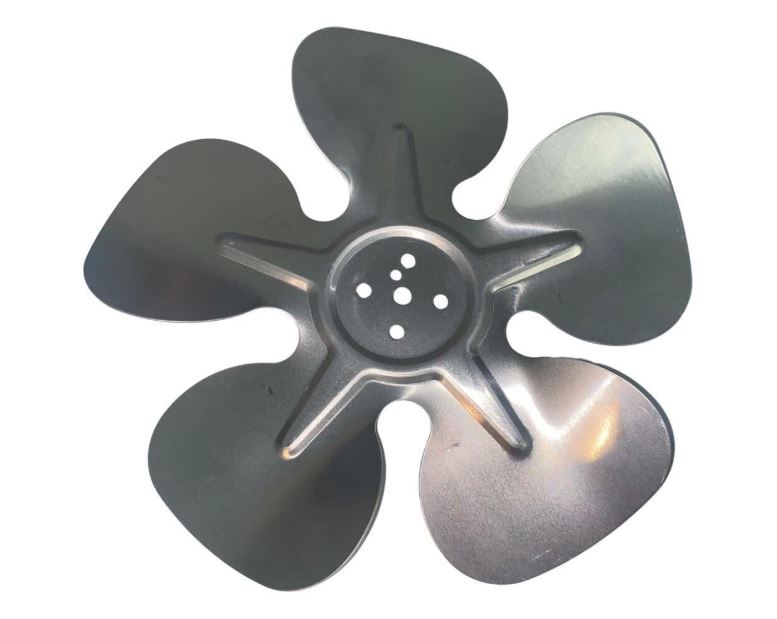
The evaporator fan can click if its blades contact ice buildup or the housing. This click often has a rhythmic quality matching fan rotation.
Condenser fan blades may click against debris or damaged housings. This occurs at the back or bottom of the refrigerator.
Drain pan vibration can create clicking sounds. The plastic pan may rattle against its mounting brackets.
Internal shelves, drawers, or door bins can rattle and click if not properly seated or if supports have loosened.
How to Diagnose the Source
Open your refrigerator and freezer while clicking occurs. Listen carefully to determine if the sound is louder inside or outside the compartments.
Press firmly against different panels and surfaces while the clicking happens. If pressure stops the clicking, you’ve found the loose component.
Check all removable components. Ensure shelves, bins, and drawers sit properly in their mounting brackets.
Inspect fan blades for damage or ice contact. Remove any ice buildup that might cause clicking.
How to Fix It
Tighten any loose screws you find on fan housings, mounting brackets, or panels. Use appropriate screwdrivers and avoid overtightening plastic components.
For clicking caused by ice buildup, defrost your refrigerator to remove the ice. Address the underlying cause of excessive ice formation.
Adjust or replace damaged fan blades. Replacement fan blades (View on Amazon) cost $15 to $40 and typically snap or screw into place.
Add small felt pads or rubber bumpers to reduce vibration clicking. Place them between components that rattle against each other.
For drain pan clicking, ensure the pan sits securely in its mounting brackets. Some pans benefit from small rubber pads to dampen vibration.
Frequently Asked Questions
Are clicking sounds from my refrigerator normal?
Some clicking is completely normal. The defrost timer clicking once every 8 to 12 hours is expected. Ice maker clicks during production cycles are also normal.
However, rapid, repetitive clicking every few minutes always indicates a problem. This pattern suggests start relay failure or compressor issues requiring attention.
Trust your instincts. If the clicking is new, louder than before, or accompanied by cooling problems, investigate the cause.
How can I tell if clicking is serious or harmless?
Harmless clicking is infrequent (once or twice daily), brief, and doesn’t coincide with cooling problems. Your food stays properly cold, and the refrigerator functions normally.
Serious clicking is rapid and repetitive, occurs every few minutes, or happens alongside cooling failure. You might also notice the refrigerator struggling to maintain temperature.
Any clicking that changes suddenly from your refrigerator’s normal sound pattern deserves investigation.
Can clicking damage my refrigerator?
The clicking itself doesn’t cause damage. However, the underlying problems causing clicking can damage your refrigerator or lead to complete failure.
A failing start relay can eventually damage the compressor from repeated start attempts. This turns a $30 relay problem into a $500 compressor problem.
Clicking from a struggling compressor indicates the compressor is working against resistance or failing mechanically. Continued operation can cause complete failure.
Address clicking problems promptly to prevent minor issues from escalating into major repairs.
Why does my refrigerator click only at night?
You probably hear clicking all day but only notice it at night when your home is quieter. Background noise during the day masks refrigerator sounds.
Alternatively, some components make louder clicks when cold. If your home temperature drops at night, thermal contraction can make clicks more pronounced.
The clicking pattern itself shouldn’t change based on time of day. If it does, temperature fluctuations may be affecting refrigerator operation.
Should I unplug my refrigerator if it’s clicking constantly?
If clicking is rapid and constant with no cooling, unplugging prevents potential compressor damage from failed start attempts. Transfer food to coolers if possible.
For occasional clicking with normal cooling, unplugging isn’t necessary. Monitor the situation and plan repairs.
Never leave a non-cooling refrigerator plugged in for extended periods. Continuous failed start attempts waste energy and accelerate component wear.
Silence Your Refrigerator’s Clicking for Good
You now understand what causes refrigerator clicking noises and how to distinguish normal sounds from problems requiring repair. Most clicking issues are fixable with affordable parts and basic tools.
Start diagnosis by identifying the clicking pattern. Rapid clicks every few minutes suggest start relay problems. Single clicks once or twice daily are likely normal defrost timer operation.
Check your ice maker if clicking coincides with ice production. Turn it off to determine if it’s the source. Ice maker clicks are usually harmless but can be annoying.
For start relay issues, replacement is straightforward and inexpensive. This repair solves many clicking problems and restores normal cooling operation.
If clicking continues after replacing the relay, suspect compressor failure or other mechanical issues. These problems require professional diagnosis and may warrant refrigerator replacement.
Loose components causing clicking are easy to fix. Tighten screws, remove ice buildup, and ensure all parts seat properly in their mountings.
Listen to your refrigerator regularly to establish what’s normal for your model. Sudden changes in sound patterns indicate developing problems. Early detection prevents minor issues from becoming major failures.
When clicking accompanies cooling problems, act quickly. Food safety depends on proper refrigeration, and delays can result in spoilage and waste.
For complex issues or when DIY repairs don’t resolve clicking, consult a qualified appliance repair technician. Professional diagnosis ensures accurate problem identification and appropriate solutions.

Hi, I’m Barlgan! I created Repair Me Yourself to empower homeowners to tackle appliance repairs with confidence. From decoding error codes to fixing cooling issues, I break down complex repairs into simple, actionable steps that save you time and money.