
Your Kenmore high efficiency top load washer saves water and energy while cleaning clothes effectively. When problems occur, these modern machines behave differently than traditional washers.
HE washers use less water, which creates unique troubleshooting challenges. Understanding how these machines work helps you diagnose issues faster.
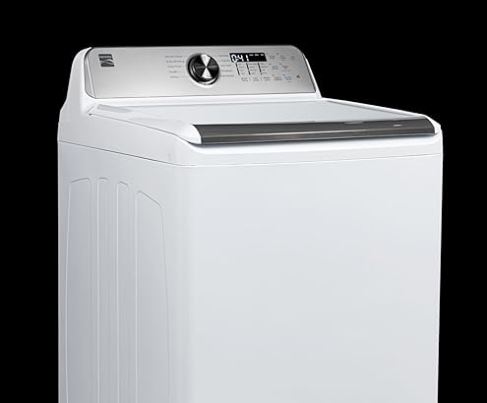
Kenmore high efficiency top load washer troubleshooting requires understanding the low water wash system, specialized sensors, and automatic load balancing features that distinguish HE models from traditional washers. Common problems include insufficient water levels, excessive vibration, residue buildup, sensing failures, and error codes related to the advanced control systems that optimize water and energy consumption while maintaining cleaning performance.
Key Takeaways
- High efficiency top load washers operate fundamentally differently than conventional models. This design change affects every aspect of troubleshooting.
- HE washers use 20-66% less water than traditional washers. The low water level is intentional, not a malfunction.
- Clothes tumble through shallow water instead of soaking in a full tub. This tumbling action provides the cleaning power.
- The impeller at the bottom moves clothes in a circular motion. This replaces the traditional agitator found in older washers.
- Sensors constantly monitor load size, fabric type, and soil levels. The washer adjusts water, time, and agitation based on this data.
- These smart features create more potential failure points. Understanding each system helps you diagnose problems accurately.
Kenmore High Efficiency Top Load Washer Troubleshooting Overview
| Problem | Likely Cause | Quick Check | Typical Solution |
|---|---|---|---|
| Low water level | Normal HE operation, sensor issue | Verify it’s actually a problem | Educate on HE operation or replace sensor |
| Won’t start | Lid lock failure, control issue | Listen for lid lock click | Replace lid lock assembly |
| Excessive vibration | Load imbalance, unlevel position | Check washer level | Redistribute load, level machine |
| Clothes still dirty | Wrong detergent, overloading | Check detergent type | Use HE detergent, reduce load size |
| Long cycle times | Normal HE operation, sensing issues | Compare to manual times | Allow full cycles or reset sensors |
| Error codes showing | Various component failures | Record exact code | Address specific component |
| Residue on clothes | Too much detergent, hard water | Check detergent amount | Reduce detergent, run extra rinse |
Understanding Kenmore High Efficiency (HE) Washer Operation
Before troubleshooting, you need to understand how HE washers are supposed to work. Many “problems” are actually normal operation.
This knowledge prevents unnecessary service calls and part replacements.
The Low Water Design Philosophy
HE washers intentionally use minimal water. You should see only a few inches of water at the bottom.
Clothes won’t be completely submerged like in traditional washers. This appears wrong but is correct operation.
The impeller creates currents that pull clothes down through the water. Each garment gets thoroughly wetted despite the shallow water level.
This design saves 5,000-7,000 gallons of water annually. It also reduces energy costs for heating water.
How Sensing Cycles Work
HE washers begin every cycle with a sensing phase. The machine measures load size and fabric type.
Small movements of the impeller help the washer “feel” the load. This takes 2-4 minutes normally.
The washer adds water gradually during sensing. It determines exactly how much water is needed.
After sensing completes, the wash cycle begins. The entire process is automatic and requires no intervention.
Tumbling Action vs. Agitation
Traditional agitators twist and pull clothes through water. HE impellers use a different approach.
The impeller creates water currents that tumble clothes. This gentle action reduces wear on fabrics.
You might not see vigorous movement during washing. The action appears subtle compared to traditional washers.
This gentler cleaning still removes dirt effectively. The tumbling action combined with HE detergent provides excellent results.
Why Cycles Take Longer
HE wash cycles typically run 50-90 minutes. Traditional washers complete cycles in 30-45 minutes.
The extra time compensates for lower water usage. More tumbling time equals the cleaning power of more water.
The washer also rinses more thoroughly with less water. Multiple short rinses replace one deep rinse.
This is normal operation, not a malfunction. Don’t interrupt cycles thinking something is wrong.
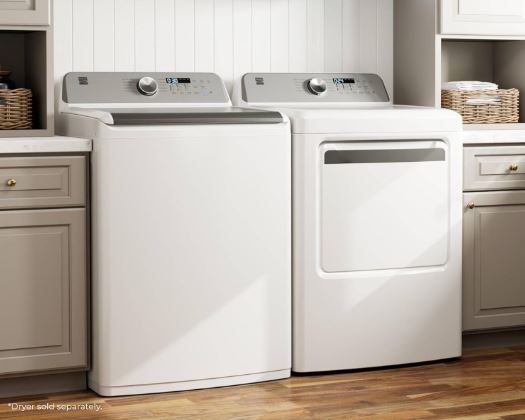
Kenmore Top Load High Efficiency Low Water Washer Troubleshooting
The most common concern with HE washers involves water level. Owners worry the washer isn’t filling properly.
Understanding when low water is normal versus problematic requires careful observation.
Normal vs. Abnormal Water Levels
During sensing, you should see 1-3 inches of water at the bottom. This is completely normal.
The washer adds more water during the wash phase if needed. Load size determines final water level.
Watch for clothes being pulled down into the water. If this happens, water level is adequate.
Clothes sitting completely dry on top indicate insufficient water. This requires troubleshooting.
Testing Water Level Operation
Run an empty cycle to observe water behavior. The washer should add some water during sensing.
Note how much water appears. Compare this to the amount with a normal load.
If the washer adds no water at all, you have a real problem. Check the water supply and inlet valve.
If water adds normally but seems low, this is likely correct HE operation. The design uses minimal water by intention.
Water Level Sensor Issues
The pressure switch monitors water level through an air tube. This tube connects to the tub bottom.
Remove the air tube and blow through it. You should feel minimal resistance.
Clogs in this tube cause incorrect water level sensing. Flush it with warm water if blocked.
Test the pressure switch by blowing into it. Listen for a distinct click as it changes position.
Replace the water level pressure switch (View on Amazon) if it doesn’t click. These cost $25-45 and take 30 minutes to replace.
When to Add More Water
Some HE washers have a “Deep Fill” or “Extra Water” option. Use this for heavily soiled loads or bulky items.
Never manually add water to an HE washer during operation. This confuses the sensors and causes errors.
The washer’s automatic sensing determines optimal water levels. Trust this system unless you see genuine problems.
If you consistently need extra water, your washer may have a sensor problem. Test the pressure switch and water level sensor.
Detergent Impact on Water Levels
Using regular detergent in HE washers creates excessive suds. Suds fool sensors into thinking more water is present.
The washer adds less water when it detects suds. This makes the water level problem worse.
Always use HE detergent (View on Amazon) in the correct amount. Follow the detergent bottle instructions, not the washer’s dispenser markings.
Too much HE detergent also creates problems. Use 1-2 tablespoons for normal loads, less for lightly soiled items.
Common Kenmore High Efficiency Top Load Washer Problems
Beyond water levels, Kenmore HE top-load washers develop other issues. These problems are specific to the HE design.
Recognizing these common Kenmore washer issues speeds up your troubleshooting.
Excessive Vibration and Walking
HE washers spin faster than traditional models. High RPM spin cycles extract more water but create more vibration.
Normal vibration is acceptable. The washer should stay in place without walking across the floor.
If the washer moves significantly during spin, you have a problem. This damages floors and the washer itself.
Checking Level Position
Use a bubble level to verify the washer sits perfectly level. Check both side-to-side and front-to-back.
Adjust the leveling feet until the bubble centers in both directions. All four feet must contact the floor firmly.
After leveling, run a spin cycle to test. The washer should stay in place.
Lock the leveling feet if your model has locking nuts. This prevents them from shifting over time.
Load Balancing Issues
HE washers are more sensitive to load imbalance than traditional washers. Uneven weight distribution causes excessive vibration.
Mix large and small items in each load. Don’t wash all towels or all delicates together.
Avoid washing single heavy items like bath mats alone. Add towels or other items for balance.
Stop the cycle if excessive vibration occurs. Redistribute the load manually before restarting.
Suspension System Problems
The suspension rods and springs dampen tub movement during spinning. Worn suspension allows excessive vibration.
Inspect suspension rods by tilting the washer back. Look for bent rods or damaged springs.
Push down on the tub rim and release. The tub should bounce back smoothly without excessive movement.
Replace worn suspension components. This typically requires professional service due to the complexity.
Residue and Buildup Problems
HE washers can develop residue inside the tub. This appears as gray or brown film on clothes.
The low water design concentrates detergent and fabric softener. Residue accumulates when using too much product.
Identifying Residue Types
Detergent residue appears as white or gray film. It feels slightly greasy or waxy.
Fabric softener residue looks bluish and feels slimy. It often smells strongly of fragrance.
Hard water deposits appear as white, crusty buildup. They feel rough and grainy.
Mold and mildew create black spots or streaks. These smell musty or sour.
Cleaning Residue Buildup
Run a cleaning cycle monthly with washer cleaner. These products dissolve built-up residue.
White vinegar works as an alternative to commercial cleaners. Use 2 cups in a cleaning cycle.
For stubborn buildup, wipe the tub manually with diluted bleach. Mix 1 cup bleach in 1 gallon water.
Leave the lid open between loads. This allows moisture to evaporate and prevents mildew growth.
Preventing Future Buildup
Use the minimum effective amount of HE detergent. Start with 1 tablespoon and increase only if needed.
Skip fabric softener or use it sparingly. Dryer sheets are a better option for HE washers.
Run occasional hot water cycles. Heat helps dissolve residue that accumulates from cold water washing.
Consider a water softener (View on Amazon) if you have hard water. This prevents mineral deposits.
Long Cycle Times
HE wash cycles take significantly longer than traditional washers. Understanding this prevents frustration.
Normal HE cycles run 50-90 minutes. Some cycles exceed 100 minutes for heavily soiled loads.
Why HE Cycles Are Long
The washer uses time instead of water for cleaning. Extended tumbling replaces deep soaking.
Multiple short rinses replace single deep rinses. This saves water but takes more time.
The washer automatically adjusts cycle length based on load size. Larger loads take longer.
These extended times are normal operation, not a malfunction. Don’t interrupt cycles prematurely.
When Long Cycles Indicate Problems
If a cycle suddenly takes much longer than usual, investigate. This might indicate a problem.
Stuck sensing phases that exceed 10 minutes suggest sensor failures. The washer can’t determine load characteristics.
Cycles that never advance to spin indicate drainage problems. Check the drain pump and hose.
Error codes appearing during long cycles point to specific failures. Address the component the code identifies.
Clothes Not Getting Clean
HE washers clean effectively when used correctly. Poor results usually stem from user error, not washer failure.
Several factors affect cleaning performance in HE machines.
Detergent Selection and Amount
Only HE detergent works properly in these washers. Regular detergent creates suds that inhibit cleaning.
HE detergent is formulated for low water conditions. It cleans effectively in concentrated solutions.
Use less detergent than you think necessary. More soap doesn’t mean cleaner clothes in HE washers.
Start with 1-2 tablespoons for normal loads. Increase only if cleaning performance is poor.
Proper Loading Techniques
Don’t overload the washer. Fill the tub only to about 3/4 capacity.
Clothes need room to tumble freely. Tightly packed loads don’t clean well.
Place items loosely in the tub. Don’t wrap them around the impeller or pack them down.
Distribute weight evenly around the impeller. Balance is important for proper cleaning action.
Cycle Selection
Choose the appropriate cycle for your load. Heavy soil requires more aggressive cycles.
Use the Normal cycle for everyday clothes. Save Delicate for truly delicate items.
Add extra rinses for heavily soiled loads or if you have allergies. This ensures complete detergent removal.
Select warm or hot water for greasy stains. Cold water doesn’t dissolve oils effectively.
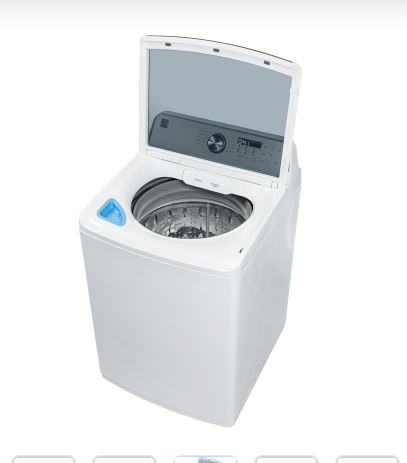
How Do I Reset My Kenmore High Efficiency Washer?
Resetting clears temporary errors and recalibrates sensors. This simple procedure fixes many Kenmore high efficiency top load washer troubleshooting issues.
Different models use slightly different reset procedures. Try these Kenmore washer reset methods in the order listed.
Basic Power Reset
The simplest reset involves cutting power completely. This clears the control board’s temporary memory.
Unplug the washer from the wall outlet. Don’t use the circuit breaker for this step.
Wait 60 full seconds before plugging back in. This allows all capacitors to discharge.
Some models require waiting 3-5 minutes for a complete reset. The extra time ensures full power drain.
Plug the washer back in. Wait 30 seconds for the control board to initialize.
Run a test cycle to verify the reset worked. Choose a short cycle like Rinse & Spin.
Control Panel Reset Sequence
For deeper issues, perform a reset through the control panel buttons. This accesses diagnostic functions.
Turn the washer completely off. Wait for all indicator lights to go dark.
Turn the cycle selector to Normal wash. Within 5 seconds, execute a specific button sequence.
Press these buttons in rapid succession: Signal button, Heavy Duty, Signal, Heavy Duty. Some models use different combinations.
All indicator lights should illuminate when done correctly. The washer enters diagnostic reset mode.
Press Start to complete the reset. The washer may run through a quick diagnostic cycle.
Calibration Reset
HE washers sometimes need sensor recalibration. This is especially true after moving the washer or replacing components.
Start with an empty washer tub. Remove all clothes and items.
Select the Normal cycle. Press and hold the Temp and Soil Level buttons simultaneously.
Continue holding for 3 seconds. Release when lights flash or change pattern.
The washer runs through a calibration sequence. This takes 2-5 minutes.
Don’t open the lid during calibration. Let the process complete fully.
Factory Default Reset
A factory reset returns all settings to original defaults. Use this for persistent problems.
This erases any custom cycle settings or preferences. You’ll need to reprogram these after the reset.
Turn off the washer. Wait 30 seconds for the display to go completely dark.
Press and hold three specific buttons simultaneously. Common combinations include: Start + Prewash + Extra Rinse.
Hold for 5 seconds. All lights should flash or the display shows a special pattern.
Release the buttons. The washer processes the factory reset.
Wait 30 seconds, then turn the washer on. All settings return to factory defaults.
When Kenmore Washer Reset Doesn’t Work
If multiple reset attempts fail to resolve the issue, you have a hardware problem. Resets only fix software glitches.
Document what happens after each reset attempt. Note any changes in behavior or new error codes.
Check for recurring error codes. These point to specific failed components.
Move to testing individual components. The reset ruled out simple software issues.
Kenmore High-Efficiency Top-Load Washer Error Codes Troubleshooting
HE top load washers display error codes for specific problems. Understanding these codes guides your repairs.
Common HE washer error codes have specific meanings and they include:
Lid Lock Error Codes (F5, E5, dL, LO)
The lid lock must engage before the washer operates. These codes indicate lock system failures.
Listen for the lid lock clicking when you close the lid. No click means mechanical failure.
Check the lid strike (the piece that catches the lock). Replace it if damaged or loose.
Test the lid lock switch with a multimeter. It should show continuity when engaged.
Replace the lid lock assembly if it fails testing. This part costs $35-65.
Drainage Error Codes (F9, E9, LD)
These codes appear when water doesn’t drain within expected time. The drain system has a blockage or pump failure.
Check the drain hose for kinks. Straighten any crimped sections.
Clean the drain pump filter if your model has one. Remove accumulated hair and debris.
Test the drain pump by listening during drain cycles. Replace pumps that don’t run.
Motor and Drive Codes (F7, E7)
Motor speed sensor failures trigger these codes. The control board can’t detect proper motor operation.
Check motor wire connections first. Vibration loosens connections over time.
Test the motor electrically if you have a multimeter. Look for proper resistance values.
Motor replacement is expensive ($150-300). Verify failure before ordering this part.
Water Fill Codes (IE, F8, E8)
These codes indicate problems with water entering the washer. Check supply and inlet valve.
Verify both hot and cold water valves are fully open. Turn them counterclockwise until they stop.
Clean inlet valve screens. Remove hoses and brush away mineral deposits.
Test the inlet valve electrically. Each solenoid should read 500-1500 ohms.
Unbalance Codes (UE, UL)
The washer detected severe load imbalance. This prevents safe spinning.
Stop the cycle and redistribute clothes evenly. Mix large and small items.
Check that the washer sits level. An unlevel machine triggers false unbalance detection.
Inspect suspension components if imbalance codes appear frequently. Worn suspension causes this problem.
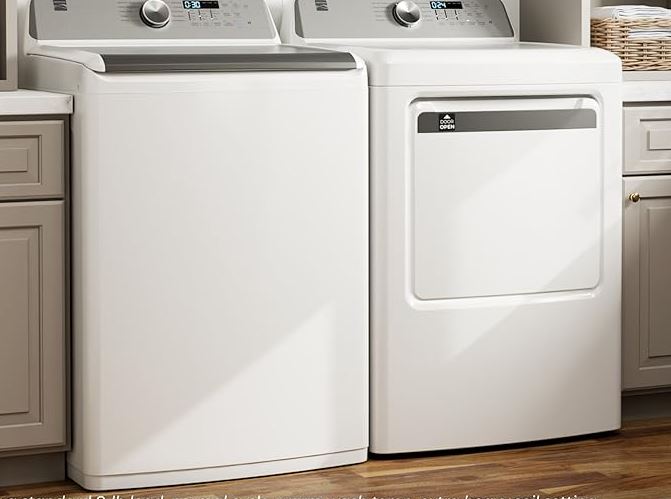
Maintenance for Kenmore High Efficiency Top Load Washers
Regular maintenance prevents most Kenmore high efficiency top load washer troubleshooting situations. HE washers need specific care.
These tasks differ from traditional washer maintenance.
Monthly Maintenance Schedule
Run a cleaning cycle every month. Use washer cleaner or 2 cups white vinegar.
Wipe down the tub, lid, and dispenser. Remove any visible residue or buildup.
Leave the lid open after each use. This allows moisture to evaporate completely.
Check the dispenser drawer for clogs. Clean out hardened detergent or fabric softener.
Quarterly Inspection Tasks
Inspect inlet hoses every three months. Look for cracks, bulges, or signs of wear.
Test the lid lock operation. Ensure it clicks and locks every time without hesitation.
Check behind the washer for water spots. Early leak detection prevents damage.
Verify the washer remains level. Vibration can shift leveling feet over time.
Proper Detergent Usage
This cannot be stressed enough for HE washers. Detergent type and amount directly affect performance.
Always use HE detergent. The “HE” symbol on the bottle indicates proper formulation.
Use 1-2 tablespoons for normal loads. This seems like too little but is correct.
Never fill to the lines in the dispenser. These markings are for maximum amounts, not recommendations.
Reduce detergent further for soft water or lightly soiled clothes. More soap causes more problems.
Loading Best Practices
Fill the tub loosely to 3/4 capacity maximum. Clothes need room to tumble.
Distribute items evenly around the impeller. Don’t pile everything on one side.
Mix large and small items in each load. This promotes balance and thorough cleaning.
Don’t wash single heavy items alone. Add towels or similar items for balance.
Also Read: How to troubleshoot Common Kenmore Series 500 Washer Problems
Advanced Kenmore High Efficiency Top Load Washer Troubleshooting
For complex problems, these advanced techniques help identify failures. Most require some technical skill.
Use these methods when basic troubleshooting doesn’t reveal the problem.
Entering Diagnostic Mode
Diagnostic mode tests components individually. This isolates failures more precisely.
The entry sequence varies by model year. A common method: Turn selector to Normal, then press Signal, Heavy Duty, Signal, Heavy Duty within 6 seconds.
All lights should illuminate when successful. The washer enters diagnostic mode.
Press Start to begin automatic diagnostics. The washer tests each system sequentially.
Watch indicator lights for error patterns. Record any codes that appear during testing.
Testing the Shift Actuator
The shift actuator moves the transmission between sensing and washing modes. This component fails frequently in HE washers.
Listen carefully during the sensing phase. You should hear mechanical clicking or whirring.
Complete silence means the actuator isn’t receiving power or has failed. Clicking without cycle progression indicates stripped gears.
Access the actuator by removing the cabinet. It mounts on top of the transmission.
Inspect the plastic drive gears. White plastic shavings indicate gear failure.
Replace the actuator if gears are damaged. This part costs $45-75.
Checking Control Board Connections
Loose control board connections cause intermittent failures. These are frustrating to diagnose.
Remove the top panel to access the main control board. Check all wire harness connections.
Press firmly on each connector. They should seat completely with no gaps.
Look for corrosion on connector pins. Green or white corrosion prevents proper signals.
Clean corroded connections with electrical contact cleaner. Spray and let dry completely.
Water Temperature Testing
HE washers must heat water properly for some cycles. Temperature sensor failures affect cleaning.
Run a hot water cycle. After 10 minutes, carefully feel the tub water.
Hot water should feel uncomfortable to touch (approximately 120-140°F). Warm water should feel pleasant (90-110°F).
If water doesn’t heat at all, test the heating element. Check for continuity with a multimeter (View on Amazon).
Test the temperature sensor resistance. It should change values as temperature changes.
Comparison: HE vs Traditional Washers
Understanding the differences helps prevent false troubleshooting. Many “problems” are just different operation.
This comparison clarifies normal HE behavior.
| Feature | Traditional Washer | HE Top Load Washer |
|---|---|---|
| Water Level | Full tub immersion | 2-4 inches, clothes tumble through |
| Cycle Time | 30-45 minutes | 50-90 minutes |
| Cleaning Action | Agitator twisting | Impeller tumbling |
| Water Usage | 30-40 gallons | 12-15 gallons |
| Detergent Type | Regular or HE | HE only |
| Spin Speed | 600-800 RPM | 800-1200 RPM |
| Sensitivity to Imbalance | Low | High |
Frequently Asked Questions
Why does my HE washer use so little water?
HE washers intentionally use minimal water for efficiency. The design cleans through tumbling action rather than soaking.
Clothes tumble through shallow water repeatedly. Each garment gets thoroughly wetted despite low water levels.
This design saves 5,000-7,000 gallons annually. It also reduces energy costs for heating water.
The low water level is correct operation, not a malfunction. Trust the design unless clothes aren’t getting wet.
How much HE detergent should I actually use?
Use 1-2 tablespoons for normal loads in soft to medium water. This seems like too little but is correct.
Reduce to 1 tablespoon or less for lightly soiled clothes or soft water. More soap doesn’t mean cleaner clothes.
Never fill to the dispenser lines. These indicate maximum capacity, not recommended amounts.
Too much detergent creates residue problems and reduces cleaning effectiveness. Less is truly more with HE washers.
Can I add water manually to my HE washer?
Never add water manually during operation. This confuses sensors and causes errors or poor cleaning.
The washer’s automatic sensing determines optimal water levels. Manual additions override this carefully calibrated system.
If you consistently feel water levels are too low, use the Deep Fill option if available. This adds extra water appropriately.
Persistent low water with proper detergent and loading suggests a sensor problem. Test the pressure switch and water level sensor.
Why does my HE washer take so long to wash?
HE cycles take 50-90 minutes compared to 30-45 minutes for traditional washers. This is normal operation.
The washer uses time instead of water for cleaning. Extended tumbling compensates for lower water usage.
Multiple short rinses replace single deep rinses. This saves water but adds time to the cycle.
Don’t interrupt cycles prematurely. The extended time is necessary for proper cleaning with minimal water.
Is it normal for my HE washer to vibrate during spin?
Some vibration is normal, especially during high-speed spinning. The washer should stay in place without walking.
HE washers spin at 800-1200 RPM to extract maximum water. This creates more vibration than traditional washers.
Ensure the washer sits perfectly level on all four feet. Check with a bubble level in both directions.
Excessive walking or jumping indicates problems. Check load balance, washer level, and suspension components.
Why do my clothes smell after washing in my HE washer?
Musty smells result from mold and mildew growth inside the tub. The low water design creates more moisture retention.
Leave the lid open after each use. Air circulation prevents mold growth.
Run monthly cleaning cycles with washer cleaner or vinegar. This removes buildup that harbors bacteria.
Reduce detergent amounts. Excess soap creates residue that feeds mold growth.
Can I use regular detergent in my HE washer?
Never use regular detergent in HE washers. This creates excessive suds that damage the machine and prevent proper cleaning.
Regular detergent isn’t formulated for low water conditions. It produces too many suds.
These suds fool sensors, cause errors, and leave residue on clothes. They also strain pumps and motors.
Always use HE detergent identified by the “HE” symbol on the bottle. This is not optional.
How do I know if my HE washer needs repair?
Genuine problems include error codes that persist after resets, complete failure to start or drain, excessive walking during spin, and water leaking.
Normal operation includes low water levels, long cycle times, subtle wash action, and some vibration during high-speed spinning.
If you’re unsure whether something is normal, run a diagnostic cycle. The washer will identify actual component failures.
Consult your owner’s manual. It describes normal operation specific to your model.
Maximizing Your HE Washer’s Performance
Kenmore high efficiency top load washer troubleshooting becomes easier when you understand HE operation. Most “problems” are actually normal behavior.
Use HE detergent in tiny amounts. This single change solves most HE washer complaints.
Trust the low water design. The washer adds exactly the right amount for optimal cleaning.
Allow full cycle times. Don’t interrupt washing thinking something is wrong.
Keep the washer level and balanced. This prevents most vibration and error code issues.
Perform monthly maintenance. Cleaning cycles and proper care extend washer life significantly.
With proper understanding and care, your HE top load washer will provide years of efficient, effective cleaning. You’ll save water, energy, and money while keeping clothes clean and fresh.

Hi, I’m Barlgan! I created Repair Me Yourself to empower homeowners to tackle appliance repairs with confidence. From decoding error codes to fixing cooling issues, I break down complex repairs into simple, actionable steps that save you time and money.