
Standing water in your Kenmore Elite washer can ruin clothes and stall your laundry day. When the washer completes the wash cycle but leaves clothes soaking in dirty water, you need answers fast. This frustrating problem often happens together. The washer won’t drain, so it can’t move to the spin cycle.
A Kenmore Elite washer not draining or spinning typically indicates a clogged drain pump, kinked drain hose, failed lid lock assembly, or worn drive belt. Most cases stem from pump blockages caused by small items like coins, hair ties, or fabric fibers that prevent proper water evacuation. These problems are fixable at home with basic tools and systematic troubleshooting that addresses drainage issues first, then spin cycle components.
Key Takeaways:
- Understanding how drainage and spinning work together helps you troubleshoot your Kenmore washer effectively. These systems depend on each other.
- Your Kenmore Elite uses a drain pump to evacuate water. The control board monitors this drainage through sensors.
- If water doesn’t drain within the expected timeframe, the washer won’t attempt spinning. Standing water in the tub makes spinning dangerous and ineffective.
- The washer protects itself by refusing to spin with water present. This is a safety feature, not a malfunction.
- Always check drainage problems before investigating spin issues. Fixing drainage often automatically resolves spinning problems.
- Safety matters when working on any appliance. Always unplug the washer before starting repairs.
Quick Fix Guide for a Kenmore Elite Washer Not Draining or Spinning
| Symptom | Most Likely Cause | Quick Test | Solution |
|---|---|---|---|
| Water won’t drain at all | Clogged drain pump or hose | Check drain hose for kinks | Clear blockage, replace pump |
| Drains very slowly | Partially clogged pump filter | Listen for pump operation | Clean filter, clear restriction |
| Drains but won’t spin | Lid lock failure, drive belt | Check lid lock click | Replace lid lock or belt |
| Error code with standing water | Multiple drain system issues | Note error code pattern | Address specific code meaning |
| Makes noise but won’t drain | Failed drain pump motor | Listen to pump sound | Replace drain pump assembly |
| Drains sometimes, not others | Intermittent blockage | Test with different load sizes | Clear partial obstruction |
Understanding the Kenmore Elite Washer Drainage System
Your Kenmore Elite’s drainage system has several components working together. When any part fails, water stays trapped in the tub.
Knowing how this system operates helps you diagnose problems faster and more accurately.
How the Drain Pump Works
The drain pump is a small electric motor with an impeller. The impeller spins to push water out of the tub.
The control board sends power to the pump during drain cycles. You should hear the pump activate with a humming or buzzing sound.
The pump pulls water through an internal filter first. This filter catches debris before it reaches the impeller.
Small items that pass through the filter can jam the impeller. A jammed impeller prevents water from moving.
The Drain Hose Path
Water exits the pump and flows through the drain hose. This hose runs from the back of the washer to your standpipe or utility sink.
The hose must maintain proper height and positioning. Too low causes siphoning problems that drain water prematurely.
Too high prevents gravity-assisted drainage. The pump must work harder against the height difference.
The ideal standpipe height is 39-96 inches above floor level. Measure from the floor to where the hose enters the standpipe.
Lid Lock Safety Integration
The lid lock must confirm before the spin cycle starts. This prevents the washer from spinning with the lid open.
Even if drainage completes successfully, a failed lid lock stops the spin cycle. The washer knows water is gone but won’t risk spinning without lid confirmation.
Listen for the lid lock clicking when you start a cycle. This click tells you the lock engaged mechanically.
The indicator light should also illuminate. Both signals must reach the control board for spinning to occur.
How Do You Fix a Kenmore Washer That Won’t Drain or Spin?
Fixing an Elite Kenmore washer not draining or spinning requires systematic testing. Start with the easiest checks and progress to more complex repairs.
This methodical approach saves time and prevents unnecessary part replacement. Don’t skip steps trying to speed up the process.
Step 1: Check the Drain Hose
Begin with the simplest possible cause. Inspect the entire drain hose from washer to standpipe.
Look for visible kinks or sharp bends. The hose should maintain a gentle arc without crimping.
Pull the washer away from the wall. Sometimes pushing the machine back crushes the hose against the wall.
Straighten any kinked sections. A single severe kink completely blocks water flow.
Verifying Proper Hose Height
Measure the standpipe height with a tape measure. Start from the floor and measure to where the hose enters.
If the measurement falls outside 39-96 inches, adjust the installation. Too low or too high causes drainage problems.
The hose end should insert 4-6 inches into the standpipe. Don’t push it all the way to the bottom.
Pushing too deep can create an airlock. Water can’t flow properly with trapped air in the system.
Clearing Hose Blockages
If the hose appears kinked internally, disconnect it for inspection. Place a bucket underneath to catch residual water.
Remove the hose from the back of the washer. Most use a spring clamp or screw clamp.
Remove the other end from the standpipe. Flush the hose with hot water from a utility sink.
Use a plumbing snake (View on Amazon) for stubborn clogs. Push it through the hose to dislodge stuck items.
Step 2: Clean the Drain Pump Filter
The drain pump filter catches lint, coins, and small items before they reach the impeller. A clogged filter is the most common cause of drainage problems.
This filter requires cleaning every 2-3 months under normal use. More frequent cleaning helps if you wash pet bedding or heavily soiled items.
Accessing the Filter
Locate the small access panel at the bottom front of the washer. Some models hide it behind the kick panel.
Place several towels on the floor underneath. Water will spill when you open the filter.
Have a shallow pan ready. Use a paint roller pan or cookie sheet to catch water.
Open the access door by pulling or pressing the release. The filter cap should be visible behind the door.
Removing and Cleaning the Filter
Turn the filter cap counterclockwise slowly. Water will begin draining from the opening.
Let the water drain into your pan. Pause if the pan fills up before the filter is completely removed.
Pull the filter straight out once the cap turns freely. Expect more water to spill at this point.
Inspect the filter for trapped items. Remove hair, lint, coins, buttons, and any debris.
Rinse the filter thoroughly under running water. Use an old toothbrush to scrub away stubborn buildup.
Check inside the filter housing with a flashlight. Sometimes items get past the filter and lodge in the pump inlet.
Reinstalling the Filter
Insert the clean filter back into the housing. Turn it clockwise until it stops and feels snug.
Don’t overtighten the filter cap. Hand-tight is sufficient and prevents damage to the plastic threads.
Close the access panel door. Run a drain and spin cycle to test the repair.
If water drains normally, you’ve solved the problem. A clogged filter causes the majority of Kenmore Elite washer not draining or spinning issues.
Step 3: Test the Drain Pump
If the filter is clean and the hose is clear, test the pump itself. The pump motor or impeller may have failed.
You need to determine if the pump receives power and whether it operates when energized.
Listening to the Pump
Start a drain cycle. Listen carefully at the bottom front of the washer where the pump is located.
A working pump makes a distinct humming or buzzing sound. This tells you the motor is trying to run.
Complete silence means no power is reaching the pump. This points to wiring or control board problems.
Grinding or rattling sounds indicate a jammed or damaged impeller. The pump needs replacement.
Checking for Blockages
Remove the drain pump filter as described earlier. Shine a flashlight into the housing.
Look for the impeller blades inside. They should be visible just past the filter opening.
Try to spin the impeller with your finger or a screwdriver. It should rotate fairly easily with slight resistance.
If the impeller won’t move, something is jamming it. Reach in carefully and remove any obstructions.
Fabric softener sheets commonly wrap around impellers. Hair and fabric fibers also create blockages.
Step 4: Inspect the Lid Lock
Even with successful drainage, a failed lid lock prevents spinning. The washer won’t risk high-speed rotation without confirmation that the lid is secure.
This safety feature protects you from injury. A spinning drum with an open lid is extremely dangerous.
Testing Lid Lock Operation
Close the lid and start a cycle. Listen for the characteristic click as the lock engages.
The click should occur within 2-3 seconds of pressing Start. No click indicates lock mechanism failure.
Watch the lid lock indicator light. It should illuminate when the lock engages.
Press down firmly on the lid near the lock location. Sometimes the lock catches but doesn’t fully engage.
Checking Electrical Connections
If you hear the click but cycles still don’t progress, check electrical connections. Access the lid lock by removing the top panel.
Locate the lock assembly on the washer frame. Check the wire harness connection.
Disconnect and reconnect the harness firmly. Corrosion on the pins prevents proper signal transmission.
Look for damaged wires or loose connectors. These create intermittent failures that are hard to diagnose.
Step 5: Examine the Drive Belt
If drainage works perfectly but spinning never occurs, check the drive belt. Some Kenmore Elite models use belts to drive the drum.
A broken or severely worn belt prevents the drum from rotating during spin. The motor runs but the drum stays still.
Accessing the Drive Belt
Unplug the washer and turn off water supply. Remove the back panel by unscrewing the retaining screws.
The belt wraps around the drum and motor pulley. You should be able to see it once the panel is off.
Look for the belt on the floor behind the washer. A completely broken belt falls off the pulleys.
Inspecting Belt Condition
Check the belt for cracks, fraying, or glazing. A glazed belt appears shiny and smooth instead of slightly rough.
Press on the belt between pulleys. It should deflect about 1/2 inch with firm pressure.
Too much deflection means the belt is stretched and slips during high-speed spinning. Not enough deflection puts excessive strain on bearings.
Replace belts showing any wear. Waiting for complete failure leaves you with a tub full of wet clothes at an inconvenient time.
How Do I Force My Kenmore Elite Washer to Drain?
When your Kenmore Elite washer not draining or spinning leaves you with a tub full of water, you need to drain it manually. Standing water prevents you from accessing components for repair.
Several methods exist for emergency drainage. Choose based on your washer model and situation.
Using the Drain Pump Filter
The simplest manual drainage method uses the drain pump filter. This drains water by gravity without requiring power.
Place a shallow pan under the filter access. Open the filter cap slowly to control water flow.
Let water drain into the pan. Close the filter cap when the pan fills up.
Empty the pan and repeat. Continue this process until no more water flows from the filter opening.
This method drains most of the water. Some water remains trapped in the pump and hoses.
Lowering the Drain Hose
If the filter drainage is too slow, use the drain hose itself. This method drains water faster.
Pull the washer away from the wall. Disconnect the drain hose from the standpipe.
Lower the hose end into a large bucket on the floor. Position the bucket below the tub level.
Gravity pulls water out through the hose. The water level must be higher than the bucket for this to work.
Have several buckets ready. You’ll need to empty and replace them as they fill.
Manual Siphoning Method
For washers where the hose won’t reach below tub level, create a siphon. You’ll need a long piece of tubing or a hose.
Insert one end of the tube into the washer tub. Push it to the bottom where water is deepest.
Suck on the other end briefly to start water flow. Quickly place this end into a bucket on the floor.
Water will continue flowing as long as the bucket end stays lower than the tub water level. Don’t let the tube end come out of the water in the tub.
Using the Drain Cycle Manually
Some Kenmore Elite models allow manual drain cycling. This works if the pump functions but automatic drainage failed.
Turn the cycle selector to Drain/Spin. Press Start and listen for the pump.
If the pump runs but water doesn’t drain, you have a blockage past the pump. The pump itself works fine.
If the pump doesn’t run at all, this method won’t help. Move to manual drainage methods.
Emergency Spin Cycle Access
Once you’ve drained the water, you might want to spin the clothes. Wet clothes are extremely heavy and difficult to handle.
Some models let you access spin without going through the full cycle. Turn the selector to Drain/Spin only.
Press Start. The washer attempts to drain any remaining water, then spins.
If the washer won’t spin due to safety interlocks, manually wring out clothes as much as possible. Transfer them to a dryer or hang them to dry.
Kenmore Elite Washer Drain Pump Replacement
When testing confirms the drain pump has failed, replacement is straightforward. Most homeowners can complete this repair in 30-45 minutes.
A new drain pump costs $35-80 depending on your exact model. This is much cheaper than a service call.
Gathering Tools and Supplies
You’ll need basic tools for this repair. Gather everything before starting.
Get a Phillips screwdriver and flathead screwdriver. Most fasteners are Phillips head screws.
Have pliers handy for removing hose clamps. Spring clamps require pliers to compress.
Keep towels nearby for water cleanup. Even with pre-draining, some water remains in the pump.
Purchase the correct replacement drain pump (View on Amazon). Match your Kenmore Elite model number exactly for proper fit.
Removing the Old Pump
Unplug the washer completely. Pull it away from the wall for access.
Drain as much water as possible using the methods described earlier. This minimizes mess during pump removal.
Accessing the Pump
Kenmore Elite washers have pumps accessible from the bottom front. Tilt the washer back against the wall carefully.
Some models require removing the bottom panel. Others provide direct access through the filter opening.
Remove the drain pump filter if you haven’t already. Set it aside in a safe place.
Locate the pump mounting screws or clips. Most pumps attach with 2-3 screws or plastic clips.
Disconnecting Pump Connections
The pump has two hose connections and one electrical connection. Remove these before taking out the pump.
Use pliers to compress spring clamps on the hoses. Slide the clamps away from the connection points.
Pull the hoses off the pump ports. Expect water to spill from the hoses.
Disconnect the electrical wire harness. Press the release tab and pull the connector straight off.
Extracting the Pump
Remove the mounting screws holding the pump. Keep these screws for reinstalling the new pump.
Some pumps twist and pull out. Others lift straight out once the screws are removed.
Pull the old pump free. Water will spill from the pump housing.
Inspect the old pump for obvious damage. Cracks in the housing or broken impeller blades confirm failure.
Installing the New Pump
Position the new pump in the same orientation as the old one. The inlet and outlet ports should align with the hoses.
Insert mounting screws and tighten them. Don’t overtighten plastic housing screws or you’ll crack the pump.
Reconnect the hoses to the pump ports. Push them on firmly until fully seated.
Slide the hose clamps back into position. Compress them over the connections to secure the hoses.
Connect the electrical wire harness. Push until you hear or feel the connector click into place.
Testing the New Pump
Reinstall the drain pump filter. Turn it clockwise until snug.
Set the washer back down on all four feet. Push it back toward the wall.
Plug in the washer. Turn on the water supply.
Run a short cycle to test drainage. Watch the drain area for leaks during the drain phase.
If water drains normally without leaks, the repair is successful. Your Kenmore Elite washer not draining or spinning problem is solved.
Additional Causes of Drainage and Spin Failures in Kenmore Washers
If you’ve checked the pump, hose, filter, and lid lock without finding the problem, consider these less common causes.
These issues don’t occur as frequently but still prevent proper drainage and spinning.
Clogged Coin Trap
Some Kenmore Elite models have a coin trap separate from the pump filter. This catches items before they reach the pump.
Check your owner’s manual for coin trap location. Not all models have this feature.
Access and clean the coin trap the same way as the pump filter. Remove debris and rinse thoroughly.
Pressure Switch Failure
The pressure switch tells the control board when water has drained. A stuck or failed switch reports incorrect information.
The switch connects to the tub via an air tube. As water drains, air pressure decreases in this tube.
Remove the air tube and blow through it. You should feel minimal resistance.
If blocked, flush the tube with warm water. Mineral deposits and soap scum build up inside.
Test the pressure switch by blowing into it. You should hear a distinct click as the switch changes position.
Control Board Issues
The main control board manages all washer functions. A failed board might not activate the drain pump even though the pump works fine.
Control board diagnosis requires electrical testing skills. Use a multimeter to verify the board sends power to the pump.
If no power reaches the pump during drain cycles, the control board has failed. This requires board replacement.
Control boards cost $150-250. Verify this diagnosis thoroughly before ordering this expensive part.
Motor Coupling Problems
The motor coupling connects the motor to the transmission. A broken coupling prevents the drum from spinning even after successful drainage.
You’ll hear the motor running during spin attempts. The drum doesn’t rotate despite the motor sound.
Check under the washer for broken plastic pieces. These are fragments of the failed coupling.
Motor coupling replacement requires removing the cabinet. This repair takes 30-45 minutes.
Transmission or Clutch Failure
Internal transmission or clutch failure prevents spinning. These are complex mechanical assemblies.
Symptoms include grinding noises, burning smells, or complete inability to spin. The drum might barely turn instead of reaching high speed.
These repairs require significant disassembly and mechanical skill. Consider professional help for transmission work.
Transmission repairs cost $250-400 in parts alone. On older washers, this approaches replacement cost.
Preventing Future Drainage and Spin Problems in Kenmore Washers
Regular maintenance prevents most causes of Kenmore Elite washer not draining or spinning issues. Simple tasks performed monthly keep your washer running smoothly.
These preventive measures take minimal time. They’re far easier than emergency repairs during laundry day.
Monthly Maintenance Tasks
Clean the drain pump filter every month. This single task prevents the majority of drainage problems.
Check pockets before washing clothes. Coins, tissues, and small items cause pump blockages.
Run a washer cleaning cycle. Use washer cleaner or white vinegar to remove residue buildup.
Leave the lid open between loads. This allows the tub to dry completely and prevents mildew.
Quarterly Inspections
Inspect the drain hose every three months. Look for kinks, cracks, or signs of wear.
Test the lid lock operation. Ensure it clicks and locks every time without hesitation.
Check behind the washer for water spots. Early leak detection prevents major damage.
Listen for unusual sounds during cycles. New noises indicate developing problems you can address early.
Annual Maintenance
Inspect all hose connections yearly. Tighten any that have loosened from vibration.
Check the drive belt condition if your model uses a belt. Look for glazing, cracks, or excessive wear.
Clean the inlet valve screens. Remove the water supply hoses and brush away mineral deposits.
Verify the washer sits level. Vibration can shift the leveling feet over time.
Proper Loading Practices
Don’t overload the washer. Fill the tub only to about 3/4 capacity for proper operation.
Overloading strains the motor, pump, and transmission. It also prevents clothes from cleaning properly.
Distribute heavy items evenly. Don’t put all towels on one side of the drum.
Use appropriate detergent amounts. Too much soap creates excessive suds that interfere with sensors.
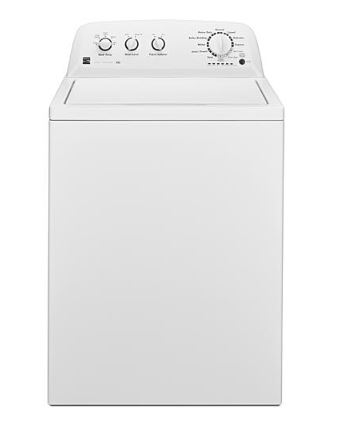
Understanding Kenmore Elite Washer Error Codes
Your Kenmore Elite displays error codes when problems occur. These codes help identify specific failures.
Learning to read these codes speeds up your troubleshooting process significantly.
Common Drainage Error Codes
LD or LO dE indicates a drainage problem. The washer detected that water isn’t draining within the expected timeframe.
Check the drain hose, pump filter, and pump operation. One of these has a problem.
OE means drain overflow error. The pressure switch detected water levels too high for too long.
This suggests a stuck inlet valve or failed pressure switch. Water keeps entering or the switch reports incorrectly.
SUD or Sd signals excessive suds. Too many soap bubbles prevent proper drainage sensing.
Run rinse and spin cycles without clothes to clear the suds. Use less detergent in future loads.
Spin Cycle Error Codes
UE or UL indicates an unbalanced load. The washer can’t spin safely with uneven weight distribution.
Stop the cycle and redistribute the load. Mix large and small items evenly.
dL or FL means door or lid lock error. The lock isn’t engaging or confirming properly.
Test the lid lock using methods described earlier. Replace the lock if it fails testing.
tE signals a motor sensing error. The control board can’t detect proper motor operation.
This might indicate motor failure or wiring problems between the motor and control board.
Frequently Asked Questions
Why won’t my Kenmore Elite washer drain or spin?
The most common cause is a clogged drain pump filter. Hair, lint, and small items accumulate in the filter and block water flow.
The washer won’t spin until water drains completely. This is a safety feature that prevents water from splashing out during high-speed rotation.
Start troubleshooting by cleaning the drain pump filter. This solves about 60% of drainage problems.
If the filter is clean, check the drain hose for kinks and test the drain pump operation.
How long should a Kenmore Elite drain pump last?
Drain pumps typically last 5-8 years with normal use. Heavy use or hard water conditions shorten this lifespan.
Pumps fail from worn bearings, damaged impellers, or electrical motor burnout. Regular filter cleaning extends pump life.
You’ll know the pump is failing when drainage becomes slower over time. Eventually the pump stops working completely.
Replacing a pump before complete failure prevents water damage from overflows.
Can I use Drano in my Kenmore Elite washer?
Never use drain cleaners like Drano in your washer. These harsh chemicals damage rubber seals, hoses, and plastic components.
Drain cleaners don’t effectively clear washer blockages anyway. Lint, fabric, and foreign objects don’t dissolve in chemical cleaners.
Use mechanical cleaning methods. Remove the drain pump filter and manually clear debris.
For stubborn clogs, use a plumber’s snake through the drain hose. This physically removes blockages.
How much does it cost to fix a Kenmore Elite that won’t drain?
DIY repairs cost $0-80 depending on the failed component. Cleaning the filter costs nothing.
A new drain pump runs $35-80. Drain hoses cost $15-25 if replacement is needed.
Professional repairs cost $150-300 including labor. Service calls start at $75-100 before any work begins.
Most drainage problems are DIY-friendly. You can save significant money by doing the repair yourself.
Why does my Kenmore Elite drain slowly?
Slow drainage indicates a partial blockage. The pump works but water flow is restricted.
The drain pump filter is partially clogged. Clean it thoroughly and check for improvement.
The drain hose might have a partial blockage. Remove the hose and flush it with hot water.
Failing drain pumps sometimes lose power gradually. The motor runs but doesn’t pump as effectively.
What does it mean when my Kenmore Elite makes noise but won’t drain?
A noisy pump that doesn’t drain indicates a jammed impeller. The motor runs but the impeller can’t spin.
Something is stuck in the impeller blades. Common culprits include fabric softener sheets, hair clumps, and small socks.
Access the pump through the filter opening. Look for items wrapped around the impeller.
Remove any obstructions. If the impeller is damaged, replace the entire pump assembly.
How do I know if my Kenmore Elite drain pump is bad?
A failed pump is completely silent during drain cycles. You hear nothing when the washer should be draining.
A failing pump makes grinding, squealing, or rattling noises. These sounds indicate bearing failure or damaged impeller.
Test the pump by entering diagnostic mode. The washer directly activates the pump so you can hear it operate.
If the pump won’t run during diagnostics or makes terrible noises, it needs replacement.
Can a Kenmore Elite washer drain without spinning?
Yes, drainage and spinning are separate functions. The washer can drain successfully but still fail to spin.
If water drains but spinning doesn’t occur, check the lid lock. A failed lock prevents spinning even with complete drainage.
Check the drive belt or motor coupling depending on your model. These components can fail independently of the drain system.
The control board might have failed in a way that affects only the spin function. This is less common but possible.
When to Call a Professional
Some situations require professional expertise. Knowing when to call for help saves time and prevents damage.
Call a technician if you’ve tested all common causes without finding the problem. You might be missing something in your diagnosis.
Complex electrical problems benefit from professional test equipment. Technicians pinpoint wiring issues faster.
If you’re uncomfortable working with electrical components, hire a pro. Your safety is more important than saving money.
Warranty coverage affects this decision. Always use warranty service instead of DIY repairs when coverage applies.
Get quotes from multiple service providers. Prices vary significantly between companies.
Ask about their experience specifically with Kenmore Elite washers. Familiarity with your model speeds repairs.
Getting Your Washer Working Again
A Kenmore Elite washer not draining or spinning disrupts your entire household. The good news is most causes have straightforward solutions.
Start with the drain pump filter. This simple cleaning fixes the majority of problems.
Check the drain hose for kinks and blockages. Straighten or clear any restrictions you find.
Test the drain pump operation. Replace it if testing confirms failure.
Verify the lid lock works correctly. Replace it if it’s not clicking or lighting up.
Check the drive belt or motor coupling. Replace worn components you discover.
With systematic troubleshooting and basic repair skills, you can resolve most drainage and spin problems yourself. You’ll save hundreds in service calls while getting your washer running quickly.
Regular maintenance prevents these problems from recurring. Clean the filter monthly and inspect hoses quarterly to keep your Kenmore Elite operating reliably for years.

Hi, I’m Barlgan! I created Repair Me Yourself to empower homeowners to tackle appliance repairs with confidence. From decoding error codes to fixing cooling issues, I break down complex repairs into simple, actionable steps that save you time and money.