
Nothing kills summer comfort faster than a malfunctioning Frigidaire air conditioner. One minute you’re enjoying cool air, the next you’re staring at a dead unit, unresponsive buttons, or hearing beeps without any cooling action. Whether your Frigidaire won’t turn on at all, refuses to blow cold air, or has stopped draining properly, you’re dealing with frustration that demands immediate solutions.
This detailed troubleshooting guide tackles every common Frigidaire AC problem—from WiFi connectivity issues to compressor failures—giving you professional-level diagnostic steps and fixes that actually work. Save hundreds on service calls by solving these problems yourself.
Frigidaire air conditioner problems typically result from power supply issues, clogged filters restricting airflow, faulty control boards, thermostat failures, or compressor malfunctions. Most issues resolve through systematic troubleshooting: checking electrical connections, cleaning air filters, resetting the control system, verifying proper drainage, and ensuring adequate refrigerant levels.
Identifying the specific symptom pattern helps pinpoint the exact component requiring attention.

Frigidaire AC Quick Diagnostic Chart
| Primary Symptom | Secondary Clue | Most Likely Cause | Quick Test |
| Won’t turn on at all | No lights, no sounds | Power supply failure | Test outlet with another device |
| Beeps but won’t start | Lights work, buttons respond | Safety lockout or error code | Check for full water tank |
| Runs but no cooling | Fan blows, compressor silent | Compressor failure or thermostat | Listen for compressor hum |
| Weak or no airflow | Unit runs normally | Clogged filter or fan issue | Inspect filter condition |
| Buttons unresponsive | Display works | Control panel membrane failure | Try remote control if available |
| WiFi won’t connect | Other functions work | Network compatibility issue | Verify 2.4GHz WiFi network |
| No water dripping outside | Unit cools normally | Blocked drain or humidity level | Check drain holes for blockage |
| Fan doesn’t spin | Compressor runs | Fan motor or capacitor failure | Manually spin fan blade |
| Panel lights dead | Unit has power | Control board failure | Check internal fuses |
Why Frigidaire Air Conditioners Fail: Understanding the Basics
Frigidaire has manufactured air conditioners for over 50 years. Their current 2024-2026 lineup includes window units, portable models, and smart WiFi-enabled systems. Each type shares common failure points despite design differences.
Modern Frigidaire units rely on electronic control systems. These computerized boards manage everything from temperature regulation to energy-saving modes. When electronics fail, even mechanical components in perfect condition won’t operate.
The refrigeration cycle is straightforward but unforgiving. Refrigerant circulates through coils, absorbing indoor heat and releasing it outside. Any disruption—leaks, blockages, or component failures—stops cooling entirely.
Airflow is critical for proper operation. Restricted air prevents heat exchange at the coils. This causes freezing, overheating, and system shutdowns. Simple maintenance prevents 70% of all airflow-related failures.
Frigidaire’s 2026 models incorporate advanced diagnostics. They detect problems early and display error codes or warning patterns. Learning to interpret these signals empowers effective troubleshooting.
Frigidaire Air Conditioner Not Turning On
Your Frigidaire is completely dead—no display lights, no fan sounds, absolutely nothing. This total failure indicates power supply problems or catastrophic electronic failure.
Start with the Power Source
Before suspecting unit failure, verify power delivery. Plug failures are surprisingly common and embarrassingly simple.
Check that the power cord is fully inserted into the wall outlet. Vibration from operation gradually loosens plugs over weeks. Push firmly until you feel solid connection.
Test the outlet itself using a lamp or phone charger. If nothing works, the outlet is dead. Check your home’s circuit breaker panel immediately.
Frigidaire units draw substantial current—8 to 15 amps depending on BTU rating. Breakers trip when circuits overload. Look for breakers in the middle position (tripped) and flip them fully off, then back on.
Large Frigidaire models (12,000+ BTU) require dedicated 20-amp circuits. Sharing circuits with other high-draw appliances causes repeated tripping.
Inspect the Power Cord Thoroughly
Examine every inch of the power cord. Look for cuts, fraying, or discolored sections indicating internal damage.
Pet damage is common—cats and dogs chew cords. Even small tooth marks can sever internal conductors. Replace damaged cords immediately for safety.
The plug prongs should be straight, clean, and corrosion-free. Bent prongs create poor contact. Corrosion prevents current flow. Clean with fine sandpaper if needed.
Frigidaire portable models often include LCDI (Leakage Current Detection and Interruption) plugs. These safety devices have “TEST” and “RESET” buttons. Press “RESET” if it has tripped.
Test LCDI functionality monthly by pressing “TEST”—the unit should shut off. Press “RESET” to restore power. If it won’t reset, the plug assembly needs replacement ($40-$80).
Check Internal Fuses and Circuit Protection
Frigidaire air conditioners contain internal fuses protecting against power surges. These fuses blow to prevent fire but render the unit inoperable.
Accessing internal fuses requires removing the outer cabinet. Always unplug before opening any panels. Warranty considerations apply—opening may void coverage.
Fuses are located on the control board or near the power input. They’re small glass tubes with metal end caps. Blown fuses show blackened glass or broken internal wires.
Replace fuses only with exact amperage matches. Wrong amperage creates fire hazards. Common ratings are 3A, 5A, or 10A depending on model.
If fuses blow repeatedly, an underlying electrical problem exists. Don’t keep replacing fuses—find and fix the root cause.
Test the Control Board Power
Even with good outlet power, the control board might not receive voltage. Internal transformers or wiring can fail.
This diagnosis requires a multimeter and electrical knowledge. Measure voltage at the control board input terminals. Should read 115V or 230V depending on unit specifications.
No voltage at the board despite good outlet power indicates transformer failure or disconnected internal wiring. Transformers step down voltage for control circuits.
Control board replacement is necessary if the board receives power but produces no output. Replacement boards cost $100-$250 for most Frigidaire models.
Order parts directly from Frigidaire using your complete model number. Aftermarket boards often lack compatibility despite appearing similar.
Consider Environmental Factors
Temperature extremes affect electronics. Frigidaire units stored in freezing conditions may not start immediately.
Let units warm to room temperature for 2-3 hours after cold storage. Electronic components need to reach operating temperature range.
Moisture infiltration destroys control boards. Check for water damage signs—corrosion, mineral deposits, or rusty components. Water damage usually requires board replacement.
Units in direct sunlight experience higher failure rates. The control panel overheats, accelerating electronic component aging. Shade installations last longer.
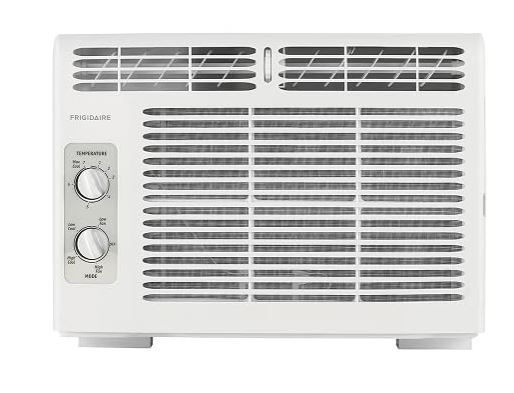
Frigidaire Air Conditioner Beeps But Won’t Turn On
The unit acknowledges your commands with beeps. Display lights illuminate. Yet the compressor and fan never start. This specific symptom pattern points to safety lockouts or sensor failures.
Understand Safety Lockout Systems
Frigidaire incorporates multiple safety systems preventing operation under dangerous conditions. These protect both users and the equipment itself.
Water tank full indicators stop portable units completely. Condensate overflow could damage floors and belongings. The unit beeps but won’t run until you empty the tank.
Remove the water tank (portable models) and verify it’s empty. Even small amounts trigger sensors. Dry the tank completely before reinserting.
Ensure the tank seats properly. Misaligned tanks don’t properly engage the float switch. You’ll hear clicks when correctly positioned.
For window units with drain systems, check that drain plugs are removed and hoses connected properly. Blocked drainage mimics full-tank conditions.
Check the 3-Minute Delay Protection
Frigidaire compressors have mandatory delay timers. After shutting off, they won’t restart immediately. This prevents pressure-related damage.
If you just turned off the unit, wait a full 3-5 minutes before attempting restart. Impatient button pressing resets the timer repeatedly.
The unit beeps acknowledging your command but the delay prevents actual startup. This is normal protection, not malfunction.
Display may show countdown timers on 2026 models. Older units simply delay without visual indication. Be patient.
Frequent short-cycling triggers delays constantly. If your unit runs 2 minutes and shuts off repeatedly, address the underlying cycling problem.
Investigate Temperature Sensor Issues
Faulty temperature sensors send incorrect readings. The control board “thinks” the room is already cool and refuses to start.
Sensors covered in dust or debris give false readings. Locate the sensor—usually near the air intake behind the filter.
Clean around sensors using compressed air. Don’t touch sensor elements directly—they’re fragile and calibrated precisely.
Disconnected sensors prevent startup entirely. Check sensor wiring connections at the control board. Reconnect any loose wires.
Failed sensors require replacement ($20-$50). They plug into the control board with simple connectors. Match resistance specifications exactly.
Decode Beep Patterns
Different beep patterns communicate different problems. Pay attention to the rhythm and number of beeps.
Single beep: Button press acknowledgment. This is normal feedback.
Three beeps: Often indicates mode restrictions—like trying to heat when outdoor temp is too high.
Continuous beeping: Critical error requiring attention—usually water-related on portable models.
Two beeps, pause, repeat: Some models use this for compressor delay notification.
Consult your Frigidaire model’s manual for specific beep code meanings. Patterns vary between product lines.
Reset the Control System
Electronic glitches cause beeping without operation. A complete reset often clears these phantom errors.
Unplug the unit from the wall outlet. Don’t use control panel buttons—physically disconnect power.
Wait 10 full minutes. This ensures complete capacitor discharge and control board memory reset.
While unplugged, press and hold the power button for 20 seconds. This discharges residual electricity in the system.
Plug back in and test. If beeping continues with no operation, hardware failure—not software glitches—is the cause.
Frigidaire Air Conditioner Not Cooling
The unit runs, the fan blows, but air isn’t cold. This frustrating problem has multiple potential causes requiring systematic elimination.
Filter Inspection and Cleaning
Clogged filters are responsible for 50% of cooling complaints. Restricted airflow prevents heat exchange at the evaporator coil.
Remove the front grille to access the filter. Slide it out carefully—some models have clips or tabs requiring specific release techniques.
Hold the filter up to light. If you can’t see through it easily, it’s too dirty. Even partially clogged filters reduce efficiency dramatically.
Washable filters rinse under warm running water. Add mild dish soap and gently scrub. Rinse thoroughly until water runs clear.
Dry filters completely before reinstalling—minimum 24 hours. Damp filters promote mold growth and can damage electronics if water drips onto control boards.
Disposable filters need monthly replacement during heavy use. Using the correct size is critical—gaps allow unfiltered air bypass.
Verify Thermostat Settings and Calibration
User error accounts for many “not cooling” complaints. Verify you’re actually in cooling mode with appropriate temperature settings.
Press “MODE” until “COOL” displays. “FAN” mode circulates air without cooling. “DRY” mode focuses on dehumidification with minimal cooling.
Set temperature at least 7-10 degrees below current room temperature. Small differentials may not trigger compressor operation.
Frigidaire thermostats can drift over time. Place an accurate thermometer near the air intake. Compare readings after 30 minutes.
If variance exceeds 3 degrees, recalibration or sensor replacement is necessary. Some models allow offset adjustment through control panel button sequences.
Assess Unit Capacity Versus Room Size
Undersized units cannot cool adequately regardless of perfect maintenance. They run continuously without reaching desired temperature.
Calculate your room’s dimensions. Multiply length by width for square footage. Include adjoining rooms if doorways remain open.
| Room Size (sq ft) | Minimum BTU Required | Frigidaire Model Examples |
| Up to 150 | 5,000 BTU | FFRA051WAE, FFRE053WAE |
| 150-250 | 6,000-7,000 BTU | FFRE063WAE, FHWW063WBE |
| 250-350 | 8,000-10,000 BTU | FFRA081WAE, FHWW083WBE |
| 350-550 | 10,000-12,000 BTU | FFRE123WAE, FGRC1044T1 |
| 550-700 | 14,000 BTU | FFRE153WAE, FGRC1444T1 |
| 700-1,000 | 18,000-24,000 BTU | FFPH1822U2, FFRH1822U2 |
Add 20% capacity for kitchens (heat-generating appliances) or rooms with cathedral ceilings. South-facing rooms need extra capacity for solar heat gain.
If your unit is genuinely undersized, no troubleshooting helps. You need higher BTU capacity.
Find high BTU capacity Frigidaire air conditioners on Amazon!
Examine Coil Condition
Dirty evaporator or condenser coils cannot transfer heat effectively. Cooling performance gradually degrades over weeks or months.
The evaporator coil is inside facing your room. It looks like a car radiator with thin metal fins. Access it by removing the front panel.
Spray specialized coil cleaner (available at hardware stores) on the coil. Follow product instructions—most need 10-15 minutes to work.
Use a soft brush or vacuum with brush attachment between fins. Bent fins restrict airflow—straighten carefully with a fin comb tool.
The condenser coil faces outside (window units) or is accessed through the rear panel (portable units). Outdoor coils accumulate dirt, leaves, and debris.
Clean coils at the start of each cooling season. Monthly cleaning is ideal for dusty environments or heavy-use situations.
Check for Refrigerant Problems
Low refrigerant prevents adequate cooling. Refrigerant doesn’t get “used up”—only leaks cause low levels.
Signs include ice forming on copper refrigerant lines, hissing or bubbling sounds, and progressively worsening cooling over days or weeks.
Inspect visible refrigerant lines. They should be dry and clean. Frost or ice formation indicates low refrigerant levels.
Oily residue near connections points to past or active leaks. Refrigerant carries lubricating oil that escapes with leaking gas.
Refrigerant work requires EPA Section 608 certification. Federal law prohibits DIY refrigerant handling. Professional recharge costs $150-$350 including leak detection.
Small window unit repairs often aren’t economical. Repair costs approaching 50% of replacement price favor buying new.
Ensure Proper Installation and Ventilation
Installation quality directly affects cooling performance. Poor installation wastes energy and reduces capacity.
Window units must have 12+ inches of outdoor clearance. Bushes, walls, or debris blocking the outdoor portion prevent heat exhaust.
Indoor clearance matters too. Keep 20+ inches clear in front. Furniture, curtains, or decorations blocking airflow reduce efficiency significantly.
Check that window units tilt slightly backward (outdoor direction). Proper tilt promotes drainage and optimal airflow. Level or forward-tilted units underperform.
Gaps around the installation let hot air infiltrate. Use weather stripping and side panels properly. Seal all openings with foam insulation strips.
Frigidaire Air Conditioner Not Blowing Air
The compressor runs—you hear the familiar hum—but little or no air comes from the vents. This specific symptom points to fan-related failures.
Test the Fan Motor Directly
Determine whether the fan motor operates at all. This requires careful listening and observation.
Stand close to the unit while it runs. You should hear two distinct sounds: a deep compressor hum and a whooshing fan sound.
If you hear only the compressor, the fan motor isn’t running. Turn off the unit immediately. Running without airflow overheats the compressor.
Unplug the unit completely. Remove the front grille and filter. Look directly at the fan blade (blower wheel).
Manually rotate the fan blade. It should spin freely with slight resistance. Grinding, squeaking, or complete seizure indicates bearing failure.
Inspect for Physical Obstructions
Foreign objects blocking fans are surprisingly common. Installation debris, insects, or even small animals get inside.
With power disconnected, examine the fan chamber thoroughly. Remove any visible obstructions carefully.
Portable units sometimes have styrofoam packing material left inside after purchase. This blocks airflow completely.
Window units can collect leaves, sticks, or seed pods from outside. These wedge between fan blades and housing.
Spider webs and insect nests accumulate in unused units. Clean thoroughly before seasonal startup to prevent blockages.
Diagnose Fan Capacitor Failure
The fan capacitor starts and runs the fan motor. When it fails, the motor receives power but can’t spin.
Capacitor failure is extremely common in units 5+ years old. Symptoms include clicking sounds, burning smell, or fan attempting to start but failing.
Capacitors are cylindrical components mounted near the fan motor. They store electrical charge even when unplugged—touching terminals can shock you.
Safe capacitor testing requires a multimeter with capacitance measuring capability. Readings should match the capacitor’s rated microfarads (µF).
Replacement capacitors cost $15-$40. Installation requires disconnecting terminals and mounting the new capacitor. Match voltage and capacitance ratings exactly.
Check Control Board Fan Output
Sometimes the fan motor is fine but receives no power signal. The control board fails to command fan operation.
This diagnosis requires electrical testing. Measure voltage at the fan motor terminals when the unit should be running.
No voltage despite proper operation mode indicates control board failure. The board’s fan relay or output circuit is damaged.
Voltage present but motor not running confirms motor failure. The motor itself needs replacement.
Control board issues often accompany other symptoms—unresponsive buttons, error displays, or erratic operation. Multiple problems suggest board replacement.
Consider Fan Speed Settings
Some users mistake low fan speed for no airflow. Verify you’re not in “Low” or “Quiet” mode.
Cycle through fan speed options: Low, Medium, High. Each should produce noticeably different airflow volumes.
If all speeds feel identical (and weak), the fan motor or control board has problems. Speed variation confirms the motor responds to commands.
“Auto” fan mode cycles fan speed based on cooling demand. During temperature maintenance, fan may run very slowly or intermittently.
Frigidaire Air Conditioner Buttons Not Working
You press buttons but nothing happens. Or some buttons work while others don’t. This control panel failure is frustrating but often repairable. Here’s how to troubleshoot a Frigidaire AC whose buttons aren’t working:
Identify the Problem Pattern
Determine which buttons malfunction. Specific buttons failing indicates membrane wear at those locations. All buttons failing suggests broader issues.
Press each button firmly and hold for 2-3 seconds. Worn contacts sometimes need extra pressure or duration to register.
Try pressing different areas of each button—edges versus center. This reveals whether specific contact points failed.
Test in different humidity conditions if possible. Moisture affects membrane conductivity. Panels working when dry but not when humid have moisture infiltration.
Disable Child Lock Feature
Frigidaire air conditioners include child lock functions. This feature disables control panel buttons to prevent tampering.
Look for a lock icon on the display. If present, the panel is intentionally locked.
Unlock by pressing and holding specific button combinations. Common sequences include holding “Timer + Mode” together for 3-5 seconds.
Each Frigidaire product line uses different unlock codes. Consult your owner’s manual for the exact sequence. Manuals are downloadable from Frigidaire’s support website.
If you’ve tried the manual’s instructions without success, the control panel itself may be damaged despite displaying the lock icon.
Clean the Control Panel
Dirt, oils, and residue accumulate on touch surfaces. This creates barriers preventing proper button registration.
Power off completely and unplug the unit. Safety first—never clean energized electronics.
Dampen a microfiber cloth with isopropyl alcohol (70%+ concentration). Wring out excess liquid—the cloth should be barely damp.
Gently wipe the entire control panel surface. Pay special attention to button edges and the grooves around each button.
Use a soft-bristled toothbrush for stubborn grime in crevices. Never spray cleaner directly onto the panel—liquid seeping inside causes permanent damage.
Allow 30+ minutes drying time before restoring power. Any remaining moisture can short circuits when energized.
Use the Remote Control Alternative
Most 2026 Frigidaire models include remote controls. These provide full functionality when panel buttons fail.
Locate your remote and ensure it has fresh batteries. Test by pointing at the unit from 10-15 feet away.
If the remote works perfectly, the control panel membrane is damaged but the control board functions normally. This narrows the problem significantly.
For models without included remotes, universal air conditioner remotes (View on Amazon) are available. Verify Frigidaire compatibility before purchasing.
Smartphone app control is available on WiFi-enabled Frigidaire models. The app bypasses both physical buttons and remotes entirely.
Replace the Control Panel
When buttons are genuinely broken, panel replacement is the solution. Replacement panels cost $50-$150 depending on model.
Order using your complete model number—typically found on a sticker inside the filter compartment or on the unit’s side.
Some panels are separate modules that unplug easily. Others integrate with the display, requiring more extensive disassembly.
Installation difficulty varies. Simple panels take 15 minutes. Complex integrated panels might need 45 minutes and moderate technical skill.
If uncomfortable with electrical work, professional installation costs $80-$150 in labor. Total repair runs $130-$300.
Frigidaire Air Conditioner WiFi Not Working
Your Frigidaire smart air conditioner won’t connect to WiFi. Or it was connected but now shows offline. If so, consider doing the following:.
Verify Network Compatibility
Frigidaire smart air conditioners only support 2.4GHz WiFi networks. They do not work with 5GHz networks. This is the single most common connection error.
Check your router settings. Modern dual-band routers broadcast both 2.4GHz and 5GHz signals, often with identical network names (SSID).
Temporarily disable 5GHz in your router admin panel during setup. Once connected successfully, you can re-enable 5GHz for other devices.
Guest networks often have device isolation enabled. This security feature prevents smart devices from connecting. Use your primary network instead.
Ensure your network uses WPA2 (AES) security. Frigidaire units don’t support older WEP or newer WPA3 standards universally.
Complete the Pairing Process Correctly
Initial setup requires precise steps. Skipping or rushing steps causes connection failures.
Download the latest Frigidaire app (iOS or Android). Outdated app versions have known connectivity bugs. Update if available.
Create or log into your Frigidaire account. One account manages all Frigidaire smart appliances.
Put the air conditioner in pairing mode. Press and hold the WiFi button for 3-5 seconds until the WiFi indicator blinks rapidly.
Follow in-app prompts exactly. The app uses Bluetooth first to communicate setup information, then switches to WiFi.
Keep your phone within 10 feet during setup. Bluetooth range limitations cause pairing failures.
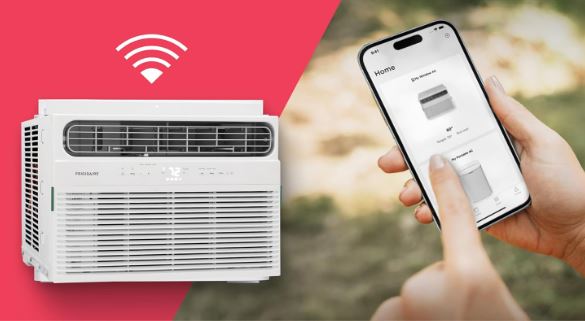
Troubleshoot Connection Failures
If connection fails repeatedly, try these systematic fixes:
Move router closer temporarily. WiFi signals weaken through walls and distance. Test with the router in the same room.
Restart your router completely. Unplug for 30 seconds, plug back in, wait for full boot (2-3 minutes), then try connecting.
Reset the AC’s WiFi settings. Hold the WiFi button for 10+ seconds to clear all saved network data. Start pairing from scratch.
Check for interference. 2.4GHz devices like microwaves, baby monitors, and Bluetooth speakers interfere with WiFi. Turn them off during setup.
Verify password accuracy. WiFi passwords are case-sensitive. Double-check uppercase/lowercase and special characters.
Update Firmware
Outdated firmware causes compatibility issues with newer routers and app versions. Frigidaire releases updates regularly.
The app automatically checks for firmware updates. A notification appears when updates are available.
Allow updates to complete—typically 5-10 minutes. Don’t unplug or turn off during updates. Interruption can corrupt firmware.
If updates fail repeatedly, the AC needs stronger WiFi signal. Move the router closer or use a WiFi extender.
Some older Frigidaire models (2020-2022) have limited firmware update capability. Check Frigidaire’s website for model-specific limitations.
Advanced Network Troubleshooting
MAC address filtering: If your router filters by MAC address, add the AC’s MAC to allowed devices. Find MAC address on the unit’s label or in the app.
DHCP limitations: Some routers limit connected devices. Check your DHCP pool size. Increase if maxed out.
Router firewall: Overly restrictive firewall rules block smart device communication. Temporarily disable to test (re-enable after).
ISP restrictions: Some internet service providers block certain smart device protocols. Contact your ISP if other smart devices work fine.
VPN conflicts: If your router runs a VPN, it might interfere with local device connections. Disable temporarily for testing.
Living Without WiFi
Remember that WiFi is a convenience feature. Your Frigidaire functions completely without connectivity.
Manual controls always work. If you can’t solve WiFi issues, operate the unit normally using buttons or the remote.
Schedule a technician visit only if WiFi is essential for your use case. Most connectivity issues don’t require hardware replacement.
Frigidaire Air Conditioner Compressor Not Turning On
The fan runs normally, but you don’t hear the compressor. The compressor is the heart of the cooling system—without it, there’s no cold air.
Recognize Compressor Operation
Learn what normal compressor operation sounds like. This helps you identify when it’s not running.
The compressor produces a steady, deep humming sound. It’s distinctly different from the higher-pitched fan whoosh.
Place your hand on the unit’s body. You’ll feel vibration when the compressor runs. No vibration suggests compressor isn’t operating.
Outdoor portion (window units) or rear section (portable units) should feel warm or hot when the compressor runs. Cool temperatures indicate non-operation.
Listen for clicking sounds without compressor startup. This suggests electrical issues preventing the compressor from engaging.
Check Thermostat and Mode Settings
Surprisingly often, the issue is simply incorrect settings. The fan runs in “Fan Only” mode without engaging the compressor.
Verify “COOL” mode is selected. Press “MODE” repeatedly until cooling mode displays.
Set temperature significantly below room temperature—at least 7-10 degrees cooler. Insufficient differential prevents compressor operation.
Wait 5-10 minutes after making changes. The compressor won’t start immediately. The 3-minute delay protection must expire first.
If the compressor ran recently, delay timers prevent immediate restart. Be patient before concluding failure.
Inspect the Start Capacitor
The start capacitor provides the electrical boost needed to start the compressor motor. Capacitor failure is extremely common.
Failed capacitors cause clicking sounds without compressor startup. The starting relay clicks but the motor can’t overcome starting inertia.
Capacitors are cylindrical components mounted near the compressor. They’re usually visible after removing the outer cabinet.
Warning: Capacitors store dangerous voltage even when unplugged. Discharge them properly using an insulated screwdriver across terminals before touching.
Testing requires a multimeter with capacitance function. Readings should match the capacitor’s rated microfarads (µF) within 10%.
Replacement capacitors cost $20-$50. Installation requires disconnecting terminals and mounting the new component. Match both voltage and capacitance ratings.
Evaluate Compressor Contactor and Relay
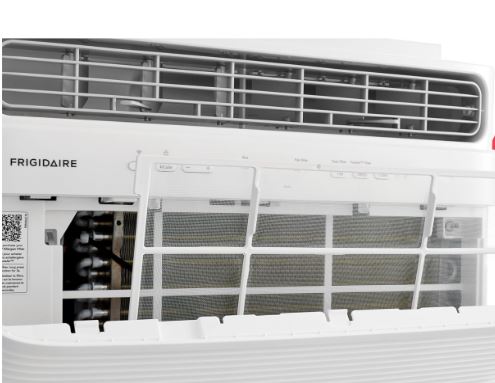
The contactor is an electrical switch controlling compressor power. When the thermostat calls for cooling, the contactor closes, sending power to the compressor.
Failed contactors appear burned or pitted. The contacts should be smooth and silver. Black or rough surfaces indicate failure.
The start relay works with the capacitor to initiate compressor operation. Relays click when energized but can fail internally.
Testing contactors and relays requires electrical knowledge. Measure voltage across terminals when the unit should be running.
Replacement contactors cost $25-$60. Relays cost $15-$40. Both are relatively easy replacements if you’re comfortable with electrical work.
Assess Compressor Failure
Complete compressor failure is catastrophic and expensive. However, it’s less common than associated electrical component failures.
Signs of true compressor failure include: no sound at all, burning smell, compressor body extremely hot to touch, or grinding/clunking sounds.
Test by checking power at the compressor terminals. If voltage is present but nothing happens, the compressor motor has failed.
Compressor replacement costs $300-$600 including labor. For most window and portable units, this exceeds replacement value.
Consider unit age and overall condition. Compressors in units 8+ years old suggest overall system age. Additional failures likely imminent.
Refrigerant and Pressure Issues
Low refrigerant prevents compressor operation. Pressure switches detect low refrigerant and shut down the compressor to prevent damage.
Very high ambient temperatures (outdoor temps above 110°F) create excessive pressure. High-pressure cutoffs protect the compressor.
Blocked condenser coils cause pressure buildup. Clean outdoor coils thoroughly. Remove all debris, leaves, and dirt.
Refrigerant diagnosis requires gauge sets and certification. Professional diagnosis costs $80-$150, which might exceed unit value for smaller models.
How to Reset Frigidaire Air Conditioner
Resetting clears electronic glitches, error codes, and temporary malfunctions. Different reset types address different problems.
Basic Soft Reset
The simplest reset takes 90 seconds and resolves many minor issues.
Step 1: Press the power button to turn off the unit. Wait until all sounds stop completely—fans should cease spinning.
Step 2: Leave off for 60 seconds minimum. This brief pause clears active memory without full discharge.
Step 3: Press power to turn back on. Observe startup sequence for any error codes or unusual behavior.
This soft reset works for occasional glitches but doesn’t clear persistent errors or stored settings.
Complete Hard Reset
A full power cycle reset resolves most electronic issues. This is the recommended first troubleshooting step.
Step 1: Turn off using the control panel. Let the unit shut down completely.
Step 2: Unplug from the wall outlet. Physical disconnection is essential—don’t rely on control panel alone.
Step 3: Wait 10 full minutes. This duration ensures capacitors discharge completely and control board memory resets.
Step 4: Press and hold the power button while unplugged (15-20 seconds). This discharges any residual electricity.
Step 5: Plug back in but don’t turn on immediately. Let it sit powered but inactive for 30 seconds.
Step 6: Turn on and reconfigure all settings—temperature, mode, fan speed, timer.
This hard reset clears virtually all electronic errors not caused by hardware failure.
Filter Reset Procedure
After cleaning or replacing filters, reset the filter indicator to stop reminder alerts.
Most Frigidaire models require pressing and holding the “Filter” or “Filter Reset” button for 3-5 seconds.
Some models use button combinations. Common sequences include “Timer + Fan” or “Mode + Temp Up” held together.
The filter indicator light should turn off when reset successfully. If it doesn’t, consult your model’s manual for the correct procedure.
Failure to reset doesn’t affect operation—it’s just an annoying reminder. But regular resets help track maintenance schedules.
WiFi and Smart Feature Reset
WiFi-enabled models need separate network reset procedures that don’t affect cooling operation.
Press and hold the WiFi button for 10-15 seconds. The WiFi indicator blinks rapidly indicating reset completion.
This clears saved network credentials and pairing data. You’ll need to reconnect through the Frigidaire app from scratch.
Factory reset through the app returns all settings to defaults. Open the app, select your unit, go to Settings > Advanced > Factory Reset.
After factory reset, reconnect to WiFi and reconfigure all preferences, schedules, and automation rules.
When Resets Don’t Help
If problems persist after 2-3 proper resets, the issue is hardware-related, not software glitches.
Document exactly what happens after each reset. Note error codes, beep patterns, or specific failures. This information helps technicians diagnose efficiently.
Calculate repair economics before calling service. For units under $300, professional diagnosis ($80-$120) might not make sense.
Units under warranty should definitely be serviced. Contact Frigidaire customer support for authorized service center locations.
Frigidaire Air Conditioner Fan Not Working
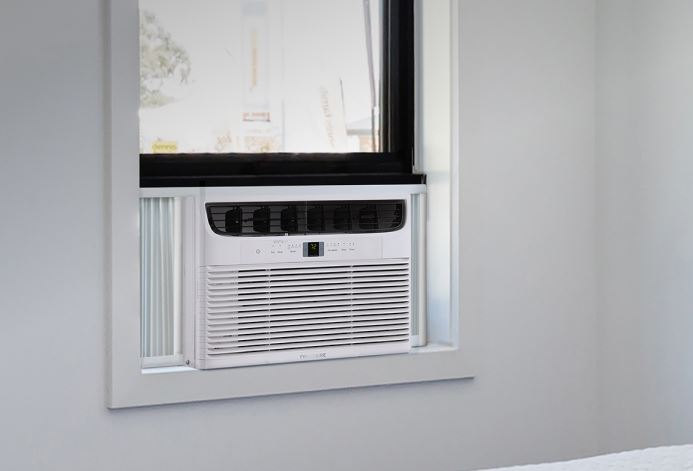
The compressor hums but the fan doesn’t spin. Or the fan works intermittently. Fan problems prevent airflow even with proper cooling.
Manually Test Fan Operation
With power disconnected, access the fan blade by removing the front grille and filter.
Spin the fan blade by hand. It should rotate freely with slight resistance from the motor. Smooth rotation suggests the motor might be okay.
Grinding, squeaking, or binding indicates mechanical problems—worn bearings, bent shaft, or foreign objects.
Complete seizure (won’t spin at all) means bearing failure. The motor needs replacement.
Listen while spinning manually. Grinding sounds confirm bearing wear. Silence suggests the motor is mechanically sound.
Check Fan Speed Settings
Ensure you’ve selected an actual fan speed. Some modes don’t run the fan continuously.
Cycle through fan speed options: Low, Medium, High. Try each for 2-3 minutes to verify operation.
“Auto” fan mode cycles the fan based on cooling needs. During temperature maintenance, the fan may stop completely. This is normal operation.
“Energy Saver” mode turns the fan off between cooling cycles. Only the compressor behavior indicates problems in this mode.
If the fan doesn’t respond to any speed setting, the motor or control board has failed.
Inspect the Fan Capacitor
Fan motors require capacitors to start and run. Capacitor failure is the most common cause of fan problems in units 4+ years old.
Locate the fan capacitor—usually a cylindrical component near the fan motor. It stores electrical charge for motor starting.
Critical safety warning: Capacitors hold dangerous voltage even when the unit is unplugged. Discharge using an insulated screwdriver across terminals before touching.
Test capacitance with a multimeter. Readings should match the rated microfarads (µF) printed on the capacitor. More than 10% deviation indicates failure.
Failed capacitors often bulge at the top or show burn marks. Visual inspection sometimes reveals obvious failures.
Replace with exact specifications—same voltage rating and capacitance. Wrong values damage motors or cause fire hazards. Replacement costs $15-$40.
Test the Fan Motor
When bearings are good and the capacitor tests okay, suspect motor winding failure.
Measure resistance across motor terminals with a multimeter. Infinite resistance indicates open windings (motor failure). Zero resistance indicates shorted windings.
Normal resistance varies by motor but typically ranges from 3 to 30 ohms. Consult technical specifications for your model.
Motors showing correct resistance but not running despite proper voltage have internal failures invisible to basic testing.
Replacement fan motors cost $60-$150 depending on model. Installation requires disconnecting wires and mounting hardware. Moderate technical skill needed.
Examine Control Board Fan Output
The control board commands fan operation. Board failure means the motor never receives power despite being functional.
Test voltage at fan motor terminals when the unit should be running. Should measure 115V AC.
No voltage confirms control board issues. The board’s fan relay or control circuit has failed.
Voltage present but no motor operation confirms motor failure. This definitively narrows the problem.
Control boards cost $100-$250. Replacement requires disconnecting multiple wire harnesses. Take detailed photos before disconnecting anything.
Frigidaire Air Conditioner Control Panel Not Working
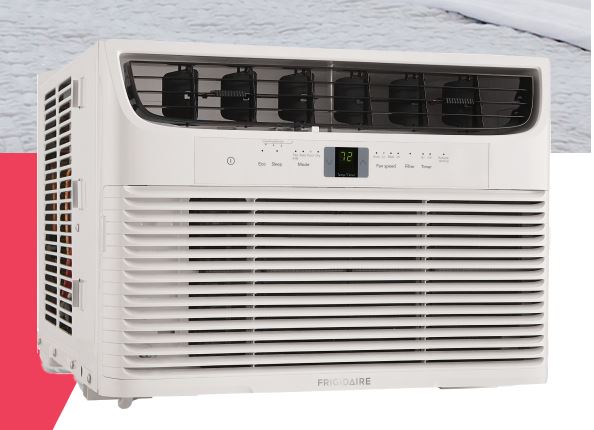
The entire control panel is unresponsive or displays erratically. This central interface failure has several potential causes.
Distinguish Between Power and Panel Issues
Determine whether the unit has power but the panel failed, or whether power isn’t reaching the unit at all.
Look for any illumination—even dim or partial lighting proves power reaches the control system. Complete darkness suggests power supply problems.
Listen for any sounds. Fan or compressor operation despite dark panel means the panel itself failed, not the entire unit.
Check the outlet and circuit breaker as described earlier. Eliminate power supply issues before assuming panel failure.
If the remote control works perfectly, the control board functions normally—only the panel interface is damaged.
Reset the Control System
Electronic glitches cause panel malfunctions. A complete power cycle often restores functionality.
Unplug the unit for 10-15 minutes. This allows full capacitor discharge and memory reset.
Press and hold buttons while unplugged to discharge residual electricity. Focus on the power button—hold for 20 seconds.
Plug back in and immediately check for panel response. Successful reset shows normal display and button responsiveness.
If panels remain unresponsive after proper reset, hardware damage exists requiring replacement.
Clean Contact Points
Membrane-style control panels have conductive traces underneath. Dirt and corrosion prevent proper contact.
Power off completely. Clean the panel surface with isopropyl alcohol (70%+) on a barely-damp microfiber cloth.
Focus on button edges and the areas between buttons. Grime accumulates in grooves preventing proper button registration.
Some panels can be carefully removed for deeper cleaning. This requires technical confidence—improper removal damages ribbon cable connections.
Use contact cleaner spray on accessible electrical connections. This removes oxidation from connector pins improving conductivity.
Check Ribbon Cable Connections
Display panels connect to control boards via ribbon cables. These can work loose from vibration over time.
Accessing ribbon cables requires removing the unit’s outer cabinet. Always unplug before opening.
Ribbon cables have locking tabs on their connectors. Gently release tabs and reseat cables firmly. You should hear/feel a positive click.
Examine cable condition. Cracks, tears, or pin damage require cable replacement. Damaged cables cannot reliably transmit signals.
Oxidation on connector pins prevents proper connection. Clean with contact cleaner or carefully with isopropyl alcohol on cotton swabs.
Replace the Control Panel Assembly
When panels are genuinely failed, replacement is the solution. Frigidaire sells replacement panels for most models within 5 years old.
Order using your complete model number—found on sticker inside filter compartment or on unit’s side panel.
Prices range $60-$180 depending on model and panel complexity. Integrated display-controller panels cost more than simple button membranes.
Installation difficulty varies. Simple overlays take 10 minutes. Complete assemblies might require 45 minutes and moderate skill.
Professional installation adds $80-$150 labor. Total repair costs $140-$330. Compare to replacement value before committing to repairs.
Frigidaire Air Conditioner Not Dripping Water
Your Frigidaire runs normally but no water drips outside. For window units, this is unusual. Portable units with internal tanks are different.
Understand Normal Condensation
Air conditioners remove humidity as part of the cooling process. Moisture in room air condenses on the cold evaporator coil.
This condensate should drain outside (window units) or collect in tanks (portable units). Visible dripping is normal and expected.
The amount varies with humidity. High humidity creates lots of condensation. Dry climates produce minimal water.
Temperature differential matters too. Larger gaps between indoor and outdoor temperature create more condensation.
On very dry days (relative humidity below 30%), minimal dripping is normal. Don’t assume malfunction based solely on one dry day.
Check for Proper Unit Tilt
Window units must tilt slightly backward (toward outside) for gravity drainage. Level or forward-tilted units hold water internally.
Use a level tool to check unit tilt. The outdoor portion should be ¼ to ½ inch lower than the indoor portion.
Incorrect tilt causes water accumulation inside the unit. This eventually overflows through the front grille into your room.
Adjust mounting or shim the unit properly. Wood shims under the indoor edge create proper backward tilt.
After adjusting, you should see drainage begin within 30-60 minutes of operation in humid conditions.
Inspect Drain Holes and Channels
Frigidaire window units have drain holes in the bottom back panel. Dirt, debris, or insect nests block these openings.
Locate drain holes—usually ¼ to ½ inch diameter openings on the bottom rear section.
Use a wire, pipe cleaner, or small screwdriver to clear blockages. Push through carefully to avoid damaging internal components.
Some models have drain channels or trays instead of simple holes. Remove the outer cabinet to access and clean these components.
Portable units with continuous drain options need hose connection verification. Ensure hoses aren’t kinked or disconnected.
Verify Normal Humidity Levels
In arid climates or during low-humidity periods, air conditioners produce very little condensate.
Use a hygrometer to measure indoor humidity. Below 35% relative humidity, minimal condensation is expected.
Frigidaire air conditioners are most efficient in 40-60% relative humidity ranges. Higher humidity creates more condensation.
If indoor humidity is normal (45%+) but still no dripping, drainage blockage is likely.
Consider Oversized Unit Effects
Oversized air conditioners cool spaces too quickly. They reach temperature before adequately dehumidifying.
Short cooling cycles mean less time for condensation to accumulate. The coils don’t stay cold long enough.
Oversized units cycle on and off frequently. Each off cycle allows coils to warm up, evaporating accumulated moisture back into room air.
This isn’t technically a malfunction—it’s a sizing mismatch. Proper BTU sizing ensures both cooling and dehumidification.
Address Internal Water Accumulation
If no external dripping occurs but you see water inside the unit or leaking into your room, drainage is definitely blocked.
Standing water inside promotes mold growth. Clean immediately with a mixture of water and white vinegar.
Ensure the unit’s base pan isn’t cracked or damaged. Replace damaged pans to restore proper drainage.
Some 2026 Frigidaire models have slinger rings on the fan blade. These fling water onto the condenser coil for evaporative cooling. This reduces external dripping but is normal operation.
Frigidaire Air Conditioner Not Draining
Water collects inside the unit or leaks into your room. Portable units display “tank full” errors constantly. Drainage failures cause shutdowns and potential water damage.
Identify Drainage System Type
Frigidaire uses different drainage systems depending on unit type. Understanding yours helps troubleshooting.
Window units: Gravity drainage through holes in the base pan. Water should drip naturally outside.
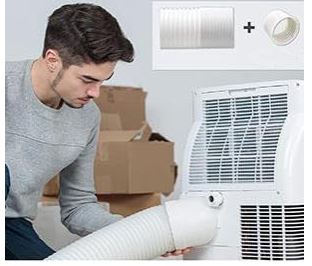
Portable units: Either removable tanks requiring manual emptying or continuous drain hose connections.
Through-wall units: Similar to window units with base pan drainage but sometimes include pump systems.
Check your owner’s manual for drainage system specifics. Troubleshooting varies significantly by type.
Clear Clogged Drain Holes
Drain hole blockage is the most common cause of drainage failure in window and through-wall units.
Power off and unplug. Remove the unit from the window if possible for easier access.
Locate all drain holes—typically 2-4 openings in the base pan bottom. They’re often small (¼ inch) and easily overlooked.
Use a straightened coat hanger, long pipe cleaner, or flexible wire to clear each hole. Push through from inside outward.
Flush with water after clearing. Pour water into the base pan and verify it drains freely through holes.
Algae and mold grow in drain channels creating persistent clogs. Mix bleach solution (1 part bleach to 10 parts water) and pour through drain system quarterly.
Service Portable Unit Drain Systems
Portable Frigidaire units have more complex drainage requiring different approaches.
For tank-based models: Remove tank and inspect for cracks or damage. Even small cracks prevent proper seating and trigger “full” sensors.
Clean tank thoroughly with soap and water. Algae buildup on float switches causes false full readings.
Verify tank seats properly in its compartment. You should hear/feel positive engagement. Misaligned tanks trigger safety shutdowns.
For continuous drain models: Inspect the drain hose connection. Ensure it’s fully inserted and not kinked.
Check that the drain hose slopes downward continuously. Any upward sections prevent gravity drainage.
If draining into a floor drain, ensure the drain isn’t backing up. A clogged floor drain stops AC drainage.
Clean the Internal Drain Pan
The base pan collects condensate before drainage. Dirty pans develop sludge that blocks drain openings.
Access the pan by removing the outer cabinet. This requires tools and technical confidence.
Remove standing water with a sponge or wet-dry vacuum. Expect 1-3 cups of accumulated water.
Scrub the pan with a mixture of warm water and dish soap. Use a brush to remove all slime and deposits.
Rinse thoroughly. Ensure no soap residue remains—this can create foam that blocks drainage.
Fix Improper Unit Leveling
Level or forward-tilted units cannot drain properly. Gravity drainage requires correct tilt.
Window units need ¼ to ½ inch backward tilt. The outdoor portion must be lower than the indoor portion.
Use wood shims or adjustable mounting brackets to achieve proper tilt. Check with a level tool.
Portable units should sit level on flat surfaces. Built-in drainage slopes are internal—external leveling is important.
Through-wall units follow the same tilt requirements as window units. Ensure proper installation angle.
Install Condensate Pumps
For situations where gravity drainage isn’t possible, condensate pumps provide mechanical drainage assistance.
Small pumps cost $40-$80 and can lift water several feet vertically or 20+ feet horizontally.
Installation involves collecting condensate in a small reservoir connected to the pump. The pump activates automatically when water accumulates.
This solution works for basement installations or situations where the drain outlet is higher than the unit.
Follow pump manufacturer instructions carefully. Improper installation causes pump failure or water backup.
Preventive Maintenance for Long-Term Reliability
Proper maintenance prevents 75% of all air conditioner failures. Establish consistent routines for maximum lifespan and efficiency.
Essential Monthly Tasks
Filter maintenance: Clean washable filters or replace disposable ones. This single task prevents most airflow problems.
Set calendar reminders—filters need attention every 30 days during active use season (May-September typically).
Coil inspection: Visually check evaporator and condenser coils. Vacuum away visible dust with brush attachment.
Light accumulation needs monthly attention. Heavy buildup requires coil cleaner spray.
Drainage verification: Pour a cup of water into the base pan. Verify it drains within 2-3 minutes. Clear any slow drainage immediately.
Operational testing: Run through all modes—Cool, Fan, different speeds. Verify everything responds correctly. Early detection prevents breakdowns.
Seasonal Deep Cleaning
Before each cooling season begins, perform comprehensive cleaning.
Pre-season (April/May): Remove winter storage covers. Deep clean all coils with coil cleaner spray. Check refrigerant line connections for leaks. Test all functions on cool days before you actually need cooling.
Mid-season check (July): Inspect for developing problems during peak use. Verify efficiency hasn’t declined. Clean filters extra thoroughly.
End-of-season (September/October): Final deep clean before storage or winter shutdown. Clean completely to prevent mold growth during off months.
Properly cleaned units start reliably next season. Neglected units often fail during first heat wave.
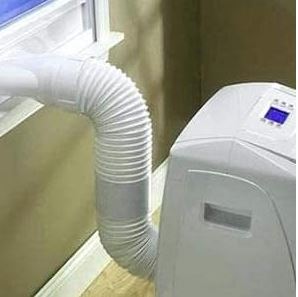
Installation Quality Checks
Even if installed years ago, verify installation quality periodically.
Seal integrity: Check foam seals around window installations. Replace deteriorated seals. Gaps waste energy and reduce cooling capacity.
Structural security: Ensure mounting brackets remain tight. Vibration loosens hardware over time. Tighten all mounting screws.
Electrical connections: Verify plug fits snugly in outlet. Loose connections create resistance and heat. Replace worn outlets.
Tilt verification: Check backward tilt annually. Settling or vibration can change installation angle affecting drainage.
Smart Usage Habits
How you operate your Frigidaire affects longevity significantly.
Temperature moderation: Don’t set extremely low temperatures. Each degree below 75°F increases energy use 3-5%. Excessive cooling stresses components.
Gradual changes: Avoid dramatic temperature adjustments. Don’t go from 78°F to 68°F instantly. The unit works harder with large differentials.
Timer use: Program operation for when you’re actually home. Running continuously wastes energy and reduces lifespan.
Seasonal shutdown: Turn off completely during moderate weather. Don’t run just because summer started. Use only when genuinely needed.
Professional Annual Service
Professional maintenance catches problems before they cause failures.
Technicians perform tasks beyond homeowner capability: refrigerant pressure testing, electrical system analysis, bearing lubrication, and safety verification.
Annual service costs $80-$150. This investment prevents $300+ emergency repairs and extends unit life by years.
Schedule service in spring before cooling season. Don’t wait until the unit fails during a heat wave.
Also Read: How to Troubleshoot Common GE Air Conditioner Issues
Frequently Asked Questions
How long do Frigidaire air conditioners typically last?
Frigidaire window and portable air conditioners last 8-12 years with proper maintenance. Budget models under $300 typically last 6-8 years. Mid-range units ($400-$700) reach 10-12 years. Premium models with enhanced construction can exceed 15 years. Usage intensity significantly affects longevity—units running continuously age faster than those used seasonally. Coastal installations corrode faster due to salt air. Annual professional maintenance and regular filter cleaning extend lifespan substantially.
Why does my Frigidaire AC smell musty when I turn it on?
Musty odors indicate mold or mildew growing on the evaporator coil or in the drain pan. This happens when moisture accumulates without proper drainage or ventilation. Clean coils with foaming coil cleaner and antimicrobial spray available at hardware stores. Ensure proper drainage so water doesn’t pool inside. Run fan-only mode for 10-15 minutes after cooling to dry internal components. This prevents future mold growth by eliminating moisture.
Can I leave my Frigidaire air conditioner in the window year-round?
Yes, but winterizing improves longevity. Remove completely for best preservation—store in a dry location. If leaving installed, purchase a properly-fitted outdoor cover (not cheap plastic bags which trap moisture). Seal indoor gaps with insulated covers to prevent heat loss. Remove and store the filter separately. Complete removal is ideal for areas with harsh winters—freezing temperatures damage seals and accelerate component aging.
What does it mean when my Frigidaire AC clicks repeatedly but won’t start?
Repeated clicking without compressor startup indicates start capacitor failure or electrical relay problems. The control system attempts to start the compressor, the relay clicks, but the motor can’t overcome starting torque. The start capacitor provides the electrical boost needed for motor starting—when failed, this symptom results. Capacitor replacement costs $50-$100 professionally. Other causes include low voltage, failed compressor motor, or control board issues requiring professional diagnosis.
How do I know if my Frigidaire needs more refrigerant?
Signs include progressively worsening cooling over days or weeks, ice forming on refrigerant lines, hissing or bubbling sounds, and oily residue near connections. The unit runs constantly without reaching set temperature. However, refrigerant doesn’t deplete—only leaks cause low levels. DIY refrigerant work is federally illegal without EPA Section 608 certification. Professional diagnosis costs $80-$150. For window units under $400, refrigerant repair often exceeds economic repair value.
Why does my Frigidaire shut off after only a few minutes?
Short cycling indicates several possible problems: extremely dirty filter restricting airflow, oversized unit for the space, faulty thermostat, or failing compressor. Start with the filter—clean or replace it. Ensure nothing blocks air intake or exhaust. Verify the unit isn’t oversized for your room—oversized units cool too quickly causing rapid cycling. If the problem persists after addressing airflow, the thermostat sensor or compressor may need professional diagnosis.
Is it normal for my Frigidaire to freeze up?
No, ice formation indicates problems requiring attention. Causes include restricted airflow from dirty filters, low refrigerant levels, running the unit when outdoor temperature is below 60°F, or thermostat set too low. Turn off cooling immediately—switch to fan mode to melt ice. Clean or replace the filter. Don’t run below 60°F outdoor temperature. Set thermostat to 72-75°F minimum. If freezing persists after addressing these issues, low refrigerant requires professional service.
Can I repair my Frigidaire myself or should I hire a professional?
Basic maintenance—filter cleaning, coil cleaning, drain clearing, and button resets—are DIY-friendly. Control panel replacement requires moderate electrical skill. However, refrigerant work requires EPA certification and is illegal for unlicensed individuals. Compressor replacement costs often exceed unit replacement value for window and portable models. Electrical issues beyond basic troubleshooting need professionals for safety. Assess your skill level honestly—improper repairs cause safety hazards or additional damage.
Conclusion: Keeping Your Frigidaire Running Reliably
Frigidaire air conditioner problems often seem mysterious but follow predictable patterns. Most issues trace back to power supply interruptions, airflow restrictions, control system glitches, or drainage blockages. Systematic troubleshooting starting with the simplest fixes resolves the majority of problems without professional intervention.
Remember the 50% rule for repair decisions—if repair costs exceed half the replacement price, buying new makes more financial sense. Units over 8 years old rarely justify expensive repairs even if technically fixable.
Prevention dramatically outweighs reactive repairs. Monthly filter maintenance, seasonal deep cleaning, and annual professional service prevent 75% of all failures. These small time investments protect your cooling comfort when you need it most.
When problems do occur, start with power resets and filter cleaning before assuming catastrophic failure. Document error patterns, beep codes, and specific symptoms. This information dramatically improves diagnostic efficiency whether troubleshooting yourself or communicating with technicians.
Your Frigidaire air conditioner represents a significant comfort investment—treat it accordingly with regular maintenance and prompt attention to developing problems. Proper care delivers reliable cooling throughout.

Hi, I’m Barlgan! I created Repair Me Yourself to empower homeowners to tackle appliance repairs with confidence. From decoding error codes to fixing cooling issues, I break down complex repairs into simple, actionable steps that save you time and money.