
Behind your washing machine’s simple spin-and-drain operation lies a surprisingly complex journey for wastewater. Every gallon pumped from your washer must travel through drainage pipes, eventually reaching municipal sewers, septic systems, or occasionally alternative destinations. Yet most homeowners never consider where that water actually goes.
Understanding your washer’s drainage path becomes critical when clogs occur, renovations approach, or you’re troubleshooting mysterious backups that flood laundry rooms at the worst possible moments. The connection between your appliance and your home’s waste system involves more than just shoving a hose into a pipe, encompassing codes, capacities, and consequences that affect both your property and local infrastructure.
Most washing machines drain directly into household sewer lines through dedicated standpipes or utility sink connections that tie into the home’s drain-waste-vent (DWV) system. The wastewater flows through branch drains to the main sewer line, then exits to municipal sewer systems or private septic tanks. Proper drainage requires adequate pipe sizing, venting, and trap configurations preventing backups while meeting plumbing code requirements that protect both property and public health.

Washing Machine Drainage System Overview
| Drainage Component | Function | Typical Specifications | Common Problems |
| Standpipe | Receives drain hose discharge | 2-inch diameter, 18-30 inches height | Clogs from lint buildup |
| P-trap | Blocks sewer gases | 2-inch diameter, water seal | Dried seals, debris blockages |
| Branch drain line | Connects fixture to main drain | 2-3 inch diameter, proper slope | Root intrusion, grease accumulation |
| Vent stack | Provides air pressure equalization | 1.5-2 inch diameter | Blockages, improper sizing |
| Main sewer line | Carries all household waste | 4-6 inch diameter | Tree roots, collapsed sections |
| Final destination | Municipal sewer or septic tank | Varies by system | City main clogs, septic overload |
Understanding Residential Drainage Systems
Modern homes use sophisticated drainage networks removing wastewater efficiently while preventing contamination and odors. Understanding this system clarifies where washing machine water goes.
The drain-waste-vent (DWV) system represents plumbing’s unsung infrastructure. Three distinct but integrated components work together moving water away and maintaining air pressure balance.
Drain pipes carry wastewater away from fixtures through gravity flow. These pipes slope consistently downward ensuring water doesn’t pool or flow backward.
Waste pipes are larger diameter lines receiving multiple drain connections. They consolidate wastewater from various fixtures channeling it toward the main sewer line.
Vent pipes connect drainage systems to outdoor air. These vents equalize air pressure preventing vacuum conditions that slow drainage or allow sewer gases inside.
Your washing machine connects to this network through dedicated drainage points. The specific connection type depends on your home’s age, layout, and local plumbing practices.
Older homes often route washing machines through laundry tub drains. The washer’s drain hose discharges into a utility sink that connects to the DWV system.
Newer construction typically includes dedicated standpipes. These vertical pipes with built-in traps provide direct drainage connections designed specifically for appliance use.
All paths eventually lead to your home’s main sewer line. This large diameter pipe collects all household wastewater directing it to municipal sewers or private septic systems.
Does Washing Machine Drain Into Sewer Line?
Yes, washing machines drain into sewer lines in the vast majority of residential installations. This routing follows natural progression through your home’s plumbing hierarchy.
Direct Sewer Connection Pathway
When you run a wash cycle, the drain pump activates forcing water through the discharge hose. This hose typically extends to a standpipe or laundry sink.
Water enters the standpipe flowing downward through the P-trap. This curved pipe section holds standing water creating a barrier against sewer gas migration.
From the trap, wastewater enters branch drain lines. These 2-3 inch diameter pipes slope gradually toward larger waste lines maintaining consistent flow.
Branch drains merge into progressively larger pipes. Multiple fixtures’ drainage combines as pipes grow from 2 inches to 3 inches to eventually 4-6 inches.
The main sewer line represents your home’s primary wastewater artery. This large pipe collects all drainage directing it toward final destination points.
For homes connected to municipal sewer systems, wastewater flows through the main line to the city’s collection system. Underground pipes transport waste to treatment facilities.
Properties using septic systems send wastewater to buried tanks. Solids settle while liquids drain into leach fields for natural filtration.
This entire journey occurs through gravity whenever possible. Proper pipe slope eliminates the need for pumps in most installations.
Exceptions to Standard Drainage
While most washing machines drain into sewer lines, specific situations create alternative drainage paths.
Basement installations below sewer line grade require ejector pumps. These systems collect wastewater in sealed basins then pump it upward to gravity sewer lines.
Some rural properties use gray water systems for landscape irrigation. These capture washing machine discharge directing it to gardens rather than sewer systems.
Temporary installations in unusual locations sometimes drain to collection tanks. Mobile homes, construction sites, and emergency housing occasionally use this approach.
Commercial laundries may employ specialized treatment systems. Industrial-scale operations treat wastewater before releasing it to municipal sewers meeting discharge quality standards.
However, over 95% of residential washing machines in developed areas drain directly into conventional sewer lines. This represents standard practice meeting code requirements universally.
Municipal vs Septic System Drainage
Your washer’s drainage destination affects maintenance practices and operational considerations.
Municipal sewer connections offer essentially unlimited capacity. City systems handle household wastewater without homeowner capacity concerns.
Treatment occurs at centralized facilities designed for large volumes. Your wastewater receives professional treatment before environmental discharge.
However, municipal systems provide no treatment before wastewater leaves your property. Everything draining from your home enters city pipes unchanged.
Septic systems process wastewater on-site before environmental release. Bacteria in septic tanks break down organic matter naturally over time.
These systems have finite capacities determined by tank size and drain field area. Excessive water volumes overwhelm septic systems causing backup or failure.
Washing machine discharge represents significant water volume. A single load releases 15-30 gallons stressing undersized septic systems.
Detergents and chemicals in wash water affect septic bacteria populations. Excessive suds or harsh chemicals disrupt natural treatment processes.
Properties on septic systems should space wash loads throughout the week. This distributes water volume preventing system overload.
High-efficiency washers (View on Amazon) benefit septic systems significantly. These machines use 40-60% less water per load, reducing septic strain.
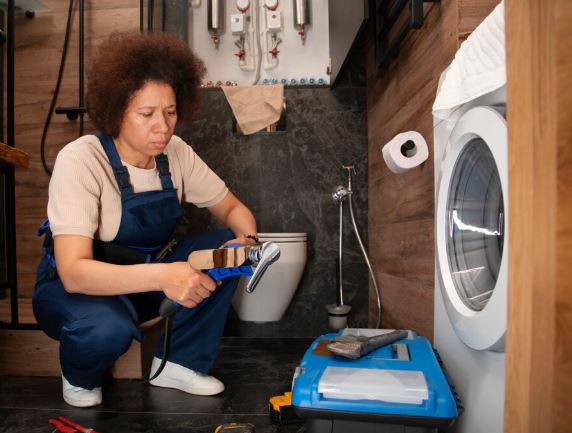
Washing Machine Drainage Options
Several drainage configurations accommodate washing machines in different installation scenarios. Understanding options helps optimize your specific situation.
Dedicated Standpipe Installation
Standpipes represent the gold standard for washing machine drainage. These purpose-built fixtures provide optimal drainage performance and code compliance.
A proper standpipe consists of a vertical 2-inch diameter pipe extending 18-30 inches above floor level. The pipe connects to a P-trap then continues to branch drains.
The standpipe opening accepts your washer’s drain hose without tight seals. This air gap prevents siphoning and allows drainage without back pressure.
Height matters significantly for standpipe effectiveness. Too low and wastewater may siphon back into the washer. Too high and the drain pump strains against excessive lift.
Code requirements specify maximum and minimum standpipe heights. Most jurisdictions mandate 18-inch minimums and 30-42 inch maximums measured from the trap weir.
The P-trap must be accessible for cleaning. Clogs in this section are common requiring periodic maintenance.
Venting connects near the standpipe ensuring adequate air supply. Without proper venting, drainage slows and gurgling sounds emerge.
Standpipe installations should be secured firmly to wall studs. Vibration from drainage creates stress requiring solid mounting.
Install standpipes with drain hose restraints. Simple brackets or clips prevent hoses from vibrating out of standpipes during operation.
Utility Sink Drainage Connection
Many homes route washing machines through laundry room sinks. This traditional approach remains common in older properties and renovation situations.
The washer’s drain hose hooks over the sink’s edge or fits into a special sink connection. Water flows through the sink drain entering the plumbing system.
This method provides convenient flexibility. Moving the washer doesn’t require plumbing modifications—just reposition the drain hose.
However, sink drainage creates several disadvantages compared to dedicated standpipes.
Drainage capacity may be inadequate. Sink drains typically use 1.5-inch pipes smaller than dedicated washer drains. This restriction slows drainage potentially causing pump damage.
Sink contents can drain into the washer. If the sink backs up or someone uses it during wash cycles, that water may enter your machine.
Lint and debris accumulate in sink traps faster. The sink catches washer discharge particles requiring more frequent cleaning.
Odors from wash water contaminate sinks. Detergent residue, fabric softener, and bacteria create unpleasant sink smells.
Despite disadvantages, sink drainage works adequately when dedicated standpipes aren’t feasible. Ensure the sink drain operates properly and clean traps regularly.
Install check valves on washer drain hoses when using sink connections. These prevent sink water from flowing backward into machines.
Floor Drain Connections
Basement installations sometimes use floor drains for washing machine drainage. This approach carries significant risks despite apparent convenience.
Floor drains connect directly to main sewer lines typically lacking P-traps or proper venting. They’re designed for occasional water removal not appliance discharge.
Laying drain hoses on floors creates tripping hazards. Hoses shift position during operation potentially kinking and restricting drainage.
Floor drain connections violate plumbing codes in most jurisdictions. Lack of air gaps creates cross-contamination risks between sewage and appliances.
When sewer backups occur, floor drains become primary overflow points. Sewage flows out floor drains flooding basements including washing machines.
This contamination ruins washers requiring expensive replacement. Sewage exposure damages motors, controls, and pumps beyond economical repair.
If floor drain connections represent your only option, install check valves immediately. These prevent sewage from backing into washers during main line problems.
Better solutions involve installing proper standpipes even in challenging basement locations. The investment prevents catastrophic contamination events.
Laundry Tray Drainage Systems
Commercial laundry trays or wash basins provide another drainage pathway particularly common in multi-family housing.
These deep sinks specifically accommodate washing machine discharge. They’re larger than standard utility sinks with higher capacity drains.
Laundry trays often include ridged washboards and rinse spray attachments. The dual functionality serves both machine drainage and hand washing needs.
Drainage capacity exceeds standard sinks using 2-inch drain lines. This matches dedicated standpipe sizing preventing restriction-related problems.
The tray’s height creates proper air gap separation. Drain hoses hook over the tray edge preventing contamination concerns.
Multiple machines can share single laundry tray systems. Apartment buildings often configure this way reducing plumbing infrastructure costs.
However, shared drainage increases clog risks. Multiple machines contribute lint and debris accelerating blockage development.
Regular maintenance becomes critical in laundry tray applications. Clean traps monthly preventing accumulation that restricts drainage.
Gray Water Diversion Systems
Environmental consciousness drives interest in gray water reuse. These systems capture washing machine discharge for landscape irrigation.
Gray water systems separate washing machine drainage from sewer connections. Wastewater diverts to storage tanks or direct irrigation lines.
This approach conserves potable water reducing landscape irrigation demands by 30-50% in typical households.
However, gray water systems require careful implementation. Regulatory requirements vary significantly between jurisdictions with many prohibiting residential systems entirely.
Detergent selection becomes critical. Many commercial detergents contain compounds harmful to plants and soil organisms.
Use only gray water-safe detergents specifically formulated for environmental discharge. These products avoid sodium, boron, and chlorine bleach.
Filtration prevents lint and particles from clogging irrigation systems. Screen filters require regular cleaning maintaining system effectiveness.
Storage tanks must prevent bacterial growth. Standing gray water develops pathogens within 24 hours creating health hazards.
Direct irrigation systems work better than storage approaches. Immediate application eliminates bacterial growth concerns and simplifies system design.
Subsurface drip irrigation prevents human contact with gray water. This addresses health department concerns about surface water exposure.
Many regions prohibit gray water use entirely citing contamination risks. Research local regulations thoroughly before implementing alternative drainage systems.
Where Should a Washing Machine Drain To?
Optimal washing machine drainage balances code compliance, system capacity, and practical accessibility. Several factors influence ideal drainage destinations.
Code Requirements and Standards
Plumbing codes establish minimum standards protecting public health and property. Compliance ensures safe effective drainage systems.
The International Plumbing Code (IPC) governs most U.S. jurisdictions. Local amendments modify base codes creating regional variations.
Codes mandate dedicated drainage for washing machines. Shared fixture drains must be adequately sized for combined flow.
Minimum drain pipe size for washing machines is 2 inches. Smaller pipes restrict flow causing premature pump failure and slow drainage.
Standpipe height specifications prevent siphoning and back pressure. The 18-30 inch range accommodates most residential applications.
P-trap requirements ensure sewer gas barriers. Every drainage connection needs properly installed and maintained traps.
Venting standards require adequate air supply to drainage systems. Vent pipe sizing correlates to drain pipe diameter and length.
Air gap specifications prevent cross-contamination between drainage and fixtures. Physical separation must exceed minimum code dimensions.
Check local codes before installing or modifying washing machine drainage. Requirements vary significantly even between neighboring municipalities.
Hire licensed plumbers for new installations. Professional work ensures code compliance and proper permitting.
Drainage Capacity Considerations
Proper drainage capacity prevents backups and optimizes washing machine performance. Undersized systems cause multiple operational problems.
Modern washers pump 8-15 gallons per minute during drain cycles. Drainage systems must accommodate this flow without restriction.
Undersized drain pipes create back pressure against pumps. Motors work harder consuming more electricity and wearing faster.
Slow drainage extends cycle times. Pumps run longer trying to evacuate water through restricted passages.
Shared drainage lines require careful capacity calculation. Multiple fixtures draining simultaneously need adequate sizing preventing bottlenecks.
Calculate cumulative flow rates when fixtures share drain lines. Add fixture unit values ensuring pipe diameter accommodates peak demand.
A 2-inch drain handles one washing machine adequately. Adding additional fixtures requires 3-inch pipes maintaining proper drainage.
Horizontal drain runs need proper slope maintaining flow velocity. Standard codes require 1/4 inch drop per linear foot.
Inadequate slope allows water pooling in pipes. Standing water becomes breeding grounds for bacteria creating odor problems.
Excessive slope creates rapid flow separating solids from water. Debris remains in pipes while water rushes past causing eventual blockages.
Accessibility and Maintenance
Consider maintenance accessibility when selecting drainage configurations. Systems requiring regular attention need convenient access points.
Standpipe installations should have easily removable P-traps. These traps need cleaning 1-2 times annually preventing clog development.
Place cleanouts strategically along drain runs. These access points facilitate cable cleaning when blockages occur.
Avoid routing drain lines through finished walls when possible. Concrete encasement or buried pipes complicate repairs significantly.
Label drainage connections clearly especially in multi-unit buildings. Future maintenance personnel need quick identification preventing confusion.
Maintain clearance around standpipes. Adequate working space allows hose connection and disconnection without moving machines.
Install shut-off valves on water supplies near machines. Emergency shutoffs should be accessible without furniture relocation.
Document drainage routing with diagrams. These references prove invaluable during renovations or troubleshooting sessions.
Basement Special Considerations
Basement washing machines face unique drainage challenges requiring specialized solutions.
Below-grade installations can’t use gravity drainage when sewer lines run higher. Physics prevents uphill water flow without mechanical assistance.
Sewage ejector pumps overcome elevation differences. These devices collect wastewater in sealed basins then pump it upward to gravity sewer lines.
Ejector systems include check valves preventing backflow after pumping stops. Without these valves water flows backward defeating the pumping.
Basin sizing must accommodate washing machine discharge volumes. Undersized basins cycle pumps frequently reducing longevity.
Pump capacity should exceed washer discharge rates by 30-50%. This safety margin prevents basin overflow during heavy drainage.
Backup power for ejector pumps prevents flooding during power outages. Battery backup systems maintain drainage when electricity fails.
Regular ejector pump maintenance prevents failure. Test pumps quarterly and clean basin annually removing accumulated sediment.
Basement floor drains need backwater valves in areas with sewer backup histories. These valves prevent sewage from entering through floor drains.
Why Does My Sewer Back Up When I Use the Washing Machine?
Washing machine drainage triggering sewer backups indicates serious drainage system problems requiring immediate attention. Several causes create this frustrating situation.
Inadequate Main Sewer Line Capacity
Main sewer lines occasionally lack capacity for household wastewater volumes. This creates backups during high-demand periods.
Washing machines discharge large water volumes rapidly. A single drain cycle releases 15-30 gallons within 5-10 minutes.
This surge overwhelms compromised sewer lines. If the main line has partial blockages, washing machine discharge exceeds available capacity.
Tree root intrusion represents the most common main line restriction. Roots infiltrate through pipe joints seeking water and nutrients.
These roots form dense mats inside pipes. Water flows through slowly but washing machine surges can’t pass causing backups.
Clay pipes in older homes are especially vulnerable. Joints separate over time allowing easy root penetration.
Collapsed or bellied pipes also restrict flow. Ground settling causes pipes to sag creating low spots where water pools.
Washing machine discharge fills these low spots quickly. Additional water backs up finding the path of least resistance—usually your home.
Camera inspection identifies main line problems. Plumbers thread cameras through pipes viewing exact conditions and blockage locations.
Main line repairs range from cable cleaning to complete pipe replacement. Costs vary from $300 for cleaning to $5,000+ for replacement.
Blocked Branch Drain Lines
Branch drains serving your laundry room may be blocked even when main lines remain clear. This localized restriction causes area-specific backups.
Lint represents the primary washing machine drain clogger. Fabric particles accumulate gradually narrowing pipe diameter.
Modern front-loaders produce less lint than traditional top-loaders. However, all washers shed some fiber during wash cycles.
These fibers combine with soap scum creating concrete-like blockages. The accumulation hardens resisting simple cable cleaning.
Grease and oils from laundry worsen lint blockages. Cooking oils in clothing and fabric softeners contribute to sticky deposits.
Hair catches on lint accumulations accelerating clog development. Each element compounds problems creating faster blockage growth.
Branch line clogs announce themselves through slow drainage and gurgling sounds. Early intervention prevents complete blockages.
Cable augering clears most branch line clogs. Plumbers thread flexible cables through pipes breaking up accumulations.
Hydro-jetting provides more thorough cleaning. High-pressure water blasts away deposits restoring full pipe diameter.
Enzyme drain cleaners (View on Amazon) dissolve organic blockages gradually. Regular treatments prevent accumulation formation and maintain clear drains.
Vent System Problems
Inadequate venting causes drainage issues mimicking blockages. Air pressure problems prevent proper water flow creating apparent backups.
Vents equalize air pressure during drainage. Water flowing down pipes creates vacuum behind it pulling sewer gases and air.
Without adequate venting, this vacuum slows drainage dramatically. The washing machine’s forceful discharge overwhelms inadequate air supply.
Toilet or shower drainage near laundry areas may trigger washing machine backups. Multiple fixtures draining simultaneously exceed vent capacity.
Blocked vent pipes create identical symptoms to drain blockages. Leaves, bird nests, or ice dams obstruct air supply.
Listen for gurgling during washing machine drainage. This sound indicates air getting pulled through fixture traps instead of vent pipes.
Slow drainage across multiple fixtures suggests vent problems rather than individual drain blockages. System-wide symptoms point toward air supply issues.
Vent repairs require professional assessment. Plumbers use smoke testing or cameras identifying blockage locations.
Adding air admittance valves provides supplemental venting. These mechanical devices allow air in without requiring roof penetrations.
Septic System Overload
Homes using septic systems face unique backup triggers. Tank capacity limitations cause problems when water volumes exceed processing capabilities.
Septic tanks require time for solids to settle. Bacteria break down organic matter gradually over days or weeks.
Excessive water inflow stirs up settled solids. These particles carry into drain fields clogging soil pores.
Washing machines deliver water faster than septic systems process it. Multiple consecutive loads flood tanks overwhelming treatment capacity.
A typical septic tank handles 50-75 gallons per person daily. Washing machines easily exceed this adding 30-50 gallons per load.
Running multiple loads consecutively exhausts septic capacity. Backups occur as tanks can’t accept additional water.
Schedule wash loads throughout the week rather than marathon laundry days. This distributes volume preventing septic overload.
High-efficiency washers dramatically reduce septic stress. These machines use 15-20 gallons per load versus 30-40 for traditional washers.
Full septic tanks lose processing capacity. Schedule regular pumping every 3-5 years maintaining adequate treatment volume.
Failed drain fields cause backups regardless of washing machine use. Saturated soil can’t absorb additional water forcing backups.
Drain field replacement represents major expense. Costs range $5,000-$20,000 depending on property size and soil conditions.
Combination Problems
Many backup situations involve multiple contributing factors. Addressing single issues may not resolve problems when several exist simultaneously.
A partially clogged main line combined with inadequate venting creates backups with washing machine use. Either problem alone might not cause issues.
Old pipes with scale buildup reduce effective diameter. Add lint accumulation and capacity drops below washing machine demands.
Seasonal factors compound existing problems. Winter frost heaves shift pipes while summer tree growth intensifies root intrusion.
Ground settling affects multiple system aspects simultaneously. Pipes develop bellies while vents pull away from connections creating air leaks.
Comprehensive plumbing inspection identifies all contributing factors. Camera inspection, flow testing, and vent assessment reveal complete problem scope.
Addressing root causes prevents recurrent backups. Temporary fixes provide short-term relief but problems return without systemic solutions.
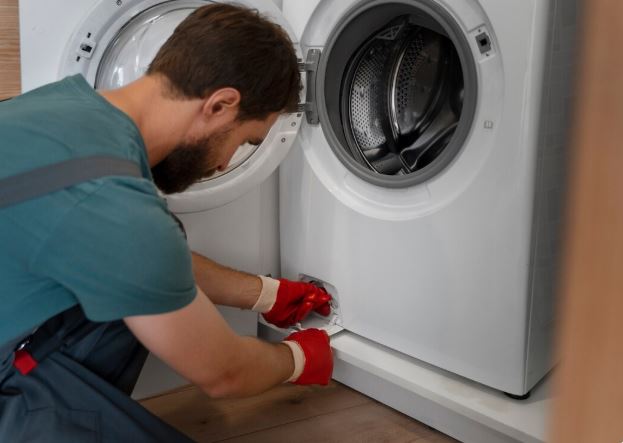
Can Washing Machine Water Drain Into Yard?
Washing machine water can potentially drain into yards through gray water systems, but this practice faces significant regulatory, practical, and environmental considerations.
Legal and Regulatory Framework
Gray water discharge regulations vary dramatically between jurisdictions. Understanding local laws prevents violations carrying substantial penalties.
Many states prohibit residential gray water systems entirely. Concerns about contamination, neighbor impacts, and public health drive these restrictions.
States permitting gray water typically require permits. Application processes involve system design review and inspection schedules.
Permit requirements often mandate professional installation. DIY gray water systems violate codes even in permissive jurisdictions.
Health department approval may be necessary. Officials assess contamination risks to groundwater and neighboring properties.
Homeowners associations frequently prohibit gray water systems. HOA restrictions often exceed municipal code requirements.
Violations carry serious consequences including fines, mandatory system removal, and restoration costs. Research thoroughly before implementing alternative drainage.
Some jurisdictions distinguish between above-ground and subsurface irrigation. Subsurface systems face fewer restrictions due to reduced contamination exposure.
Agricultural properties enjoy more permissive regulations. Farms often use gray water for non-food crop irrigation without complex permitting.
Contact local building departments for specific requirements. Regulations change frequently as municipalities reassess gray water policies.
Environmental and Health Considerations
Washing machine discharge contains chemicals and contaminants affecting soil health and groundwater quality.
Detergents include phosphates, surfactants, and fragrances. These compounds alter soil chemistry affecting plant health and microorganism populations.
Sodium in detergents accumulates in soil. High sodium levels destroy soil structure reducing water infiltration and root penetration.
Boron compounds found in many detergents prove toxic to sensitive plants. Even low concentrations damage vegetables, ornamentals, and trees.
Bleach and fabric softeners kill beneficial soil bacteria. These products disrupt natural decomposition and nutrient cycling.
Washing machine water contains lint, hair, and fabric particles. These materials don’t decompose readily accumulating on soil surfaces.
Bacteria from clothing contaminate gray water. Fecal matter, food residues, and body fluids introduce pathogens into drainage systems.
Direct human contact with gray water poses health risks. Irrigation systems must prevent spray that creates aerosol exposure.
Groundwater contamination threatens drinking water supplies. Improperly designed systems leach contaminants into aquifers.
Gray water application rates must match soil absorption capacity. Excessive application creates surface pooling and runoff.
Setback distances from wells, property lines, and buildings prevent contamination. Most codes require 5-10 foot minimums.
Practical System Requirements
Implementing functional yard drainage for washing machines requires sophisticated infrastructure beyond simple hose routing.
Filtration removes lint and particles preventing irrigation system clogs. Mesh filters need weekly cleaning maintaining adequate flow.
Three-way valves allow switching between sewer and yard drainage. During unsuitable conditions, redirect discharge to conventional drains.
Diversion to yards works only during growing seasons. Winter discharge must route to sewers avoiding frozen ground application.
Distribution systems spread water across wide areas. Point discharge creates saturated zones killing vegetation and creating odors.
Drip irrigation beneath mulch provides optimal gray water distribution. Subsurface application prevents contamination exposure while maximizing benefits.
Rotating application zones prevents soil saturation. Alternate between multiple irrigation areas giving soil recovery time.
Avoid applying gray water to food gardens unless specifically permitted. Contamination risks increase when water contacts edible portions.
Ornamental landscape irrigation represents the safest gray water application. Flowers, shrubs, and trees tolerate gray water better than edibles.
Monitor vegetation health closely. Yellowing, wilting, or stunted growth indicates application rates exceed tolerance levels.
Soil testing identifies accumulating contaminants. Annual tests reveal sodium and boron buildup before visible plant damage occurs.
Alternative Yard Drainage Approaches
Some properties use washing machine yard drainage accidentally rather than intentionally through improper plumbing configurations.
Illegal direct discharge to storm drains violates environmental laws. Storm sewers empty into streams and lakes without treatment.
Washing machine chemicals discharged to storm systems contaminate surface waters. Heavy fines and cleanup liabilities follow violations.
Cracked sewer lines leak wastewater into surrounding soil. While unintentional, this creates localized yard contamination.
French drains sometimes illegally receive washing machine discharge. These systems direct water into soil without proper treatment.
Pumping directly to yard surfaces creates multiple problems. Puddling, vegetation damage, and neighbor complaints follow this practice.
Portable dishcharge hoses laid across yards represent code violations. These create tripping hazards and contamination exposure.
Professional installation of code-compliant systems costs $2,000-$8,000. Permitting, materials, and labor combine in this investment.
DIY gray water systems risk violations and property damage. The savings rarely justify the risks when problems emerge.
Optimizing Your Washing Machine Drainage
Proper drainage system maintenance and configuration prevents most common problems while maximizing efficiency.
Regular Maintenance Schedule
Implement consistent maintenance routines addressing drainage before problems develop.
Clean standpipe P-traps every six months. Remove and flush traps eliminating accumulated lint and debris.
Inspect drain hoses for kinks or damage quarterly. Replace hoses showing cracks, brittleness, or wear.
Run hot water through drains monthly. High temperature helps dissolve soap residue before it hardens.
Use enzyme-based drain cleaners quarterly. These biological products digest organic accumulations preventing blockages.
Flush main sewer lines every 2-3 years. Professional hydro-jetting removes accumulating deposits maintaining full capacity.
Inspect vent terminals annually. Clear leaves, nests, or debris blocking air supply.
Test drainage performance watching for slow draining or gurgling sounds. Address changes immediately before complete blockages develop.
Document maintenance activities and dates. Records help predict future service needs and warranty claims.
System Upgrades
Consider strategic upgrades improving drainage reliability and performance.
Replace galvanized steel pipes with PVC. Modern plastics resist corrosion and buildup extending service life.
Install larger diameter branch drains when renovating. Upgrading from 1.5-inch to 2-inch pipes provides substantial capacity improvement.
Add cleanout access points at strategic locations. These simplify future maintenance reducing service costs.
Upgrade to high-efficiency washing machines. These models use less water reducing drainage system stress.
Install lint traps on drain hoses. Simple mesh devices capture fibers before they enter plumbing systems.
Consider backwater valves in flood-prone areas. These protect against sewage backup during municipal system overloads.
Add sewage ejector pumps in basements. Proactive installation prevents emergency situations and water damage.
Frequently Asked Questions
How do I know if my washing machine drains properly into the sewer?
Observe complete drainage within 5-10 minutes without standing water in the tub. Listen for normal drainage sounds without gurgling or bubbling. Check standpipes or drains for water backing up during or after cycles. Slow drainage, remaining water, or backup indicates problems requiring investigation.
Can a washing machine drain line be too long?
Yes, excessive drain line length creates several problems. Most manufacturers specify maximum 96-inch vertical lift and 144-inch horizontal run. Longer distances increase back pressure against drain pumps causing premature motor failure. Proper sizing and slope become critical in extended runs maintaining adequate drainage velocity.
What size pipe does a washing machine need for drainage?
Standard washing machine drainage requires minimum 2-inch diameter pipes. This sizing accommodates 8-15 GPM discharge rates without excessive back pressure. Shared drain lines serving multiple fixtures need 3-inch pipes. Using undersized pipes restricts flow damaging pumps and extending cycle times significantly.
Why does my washing machine drain smell like sewage?
Sewer gas odors indicate P-trap problems. Dried traps lose water seals allowing gases through. Infrequent washer use in guest rooms or vacation homes causes trap evaporation. Blocked vents create vacuum pulling gases through traps. Check trap water level and vent function addressing whichever issue exists.
Can I connect my washing machine drain directly to the sewer pipe?
Direct connections without proper P-traps and air gaps violate plumbing codes. Traps provide essential sewer gas barriers. Air gaps prevent sewage from siphoning into machines during backups. Direct connections also eliminate vent access creating drainage problems. Always use code-compliant standpipes or approved drainage fixtures.
How often should washing machine drain lines be cleaned?
Clean standpipe P-traps every 6-12 months preventing lint accumulation. Professional main line cleaning every 2-3 years maintains optimal flow. Homes with heavy washing machine use or older plumbing need more frequent attention. Signs of slow drainage indicate immediate cleaning needs regardless of schedules.
Does washing machine drainage affect septic systems differently than municipal sewers?
Yes, septic systems face greater stress from washing machine discharge. Rapid water volumes overwhelm bacterial treatment processes. Detergents disrupt beneficial bacteria populations. Space loads throughout weeks rather than single days. High-efficiency washers dramatically reduce septic stress through lower water consumption.
Concluding Thought on ‘Does Washing Machine Drain into Sewer Line?’
Understanding where washing machine water goes empowers better maintenance decisions and prevents costly problems. That simple drain cycle represents sophisticated plumbing coordination.
Most residential washing machines drain into conventional sewer lines through carefully designed drainage systems. Standpipes, P-traps, branch drains, and main lines work together removing wastewater efficiently.
Proper installation following plumbing codes ensures reliable drainage for decades. Shortcuts and violations create problems that emerge gradually then catastrophically.
Maintenance prevents most drainage issues before they develop. Regular cleaning, inspection, and professional service maintain system health.
Recognize warning signs early. Slow drainage, gurgling sounds, and occasional backups indicate developing problems requiring prompt attention.
Septic system owners face unique considerations. Water conservation and load spacing protect these biological treatment systems.
Gray water reuse offers environmental benefits but requires careful implementation. Regulatory compliance and system design determine success or failure.
Professional installation and service provide peace of mind. Licensed plumbers ensure code compliance and optimal performance.
Your washing machine connects to complex infrastructure extending beyond your property. Understand that connection and maintain it properly protecting both your home and community systems.

Hi, I’m Barlgan! I created Repair Me Yourself to empower homeowners to tackle appliance repairs with confidence. From decoding error codes to fixing cooling issues, I break down complex repairs into simple, actionable steps that save you time and money.