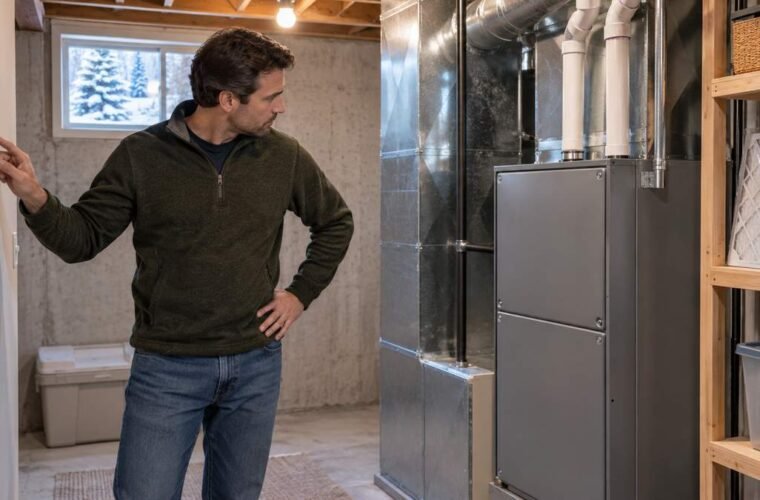
Furnace warning signs are changes in run time, heat, sound, smell, or energy use that show up before a system fails. A furnace that runs constantly, short-cycles, leaves rooms cold, or gives off a new odor deserves a closer look. Some signs have a simple homeowner check. Others need a licensed technician the same day.
A fault does not always mean the furnace is finished. A dirty filter, a blocked outdoor vent, a thermostat setting, or a worn part can look the same from the living room. The useful split is which signs you can check safely yourself, which need a qualified technician, and which are a reason to get everyone outside.
Why small furnace problems should not be ignored
Many heating failures start with a small change. The house takes longer to warm, the burner starts more often, or a far room never quite catches up. Restricted airflow and control problems make the furnace work harder, and a breakdown is more painful in a cold snap than in mild weather.
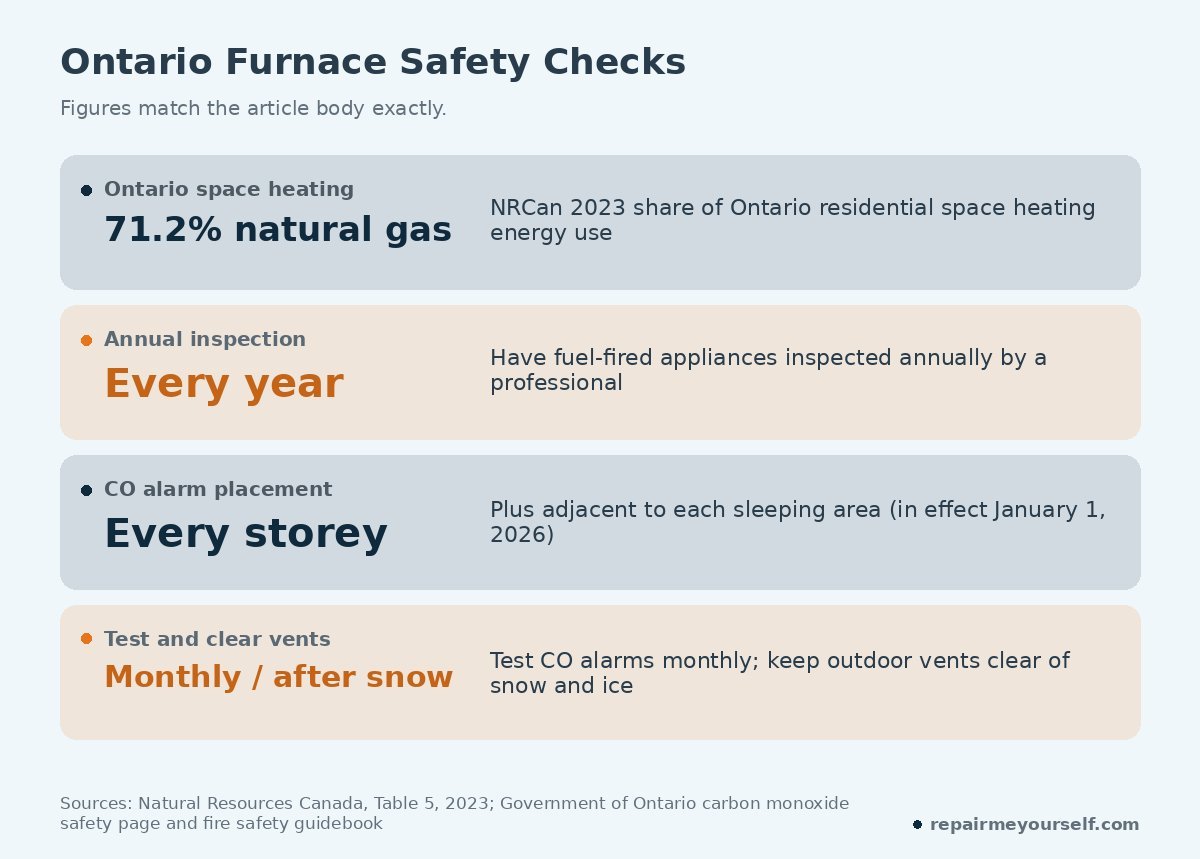
That matters in Ontario because most home heat still comes from natural gas. Natural Resources Canada’s National Energy Use Database shows that natural gas accounted for 71.2% of Ontario residential space heating energy use in 2023. An inefficient or unsafe furnace is not a small household detail. Early attention also gives you time to book service before the next stretch of deep cold.
Seven furnace warning signs that deserve attention
1. The furnace runs almost constantly
Long run times can be normal in very cold weather. Persistent operation that never reaches the thermostat setting is different. Restricted airflow, a clogged filter, duct leaks, a thermostat problem, weak insulation, or a unit that is not sized for the house can all be involved. Note how long it runs and whether any rooms stay cold, then work through the safe checks below.
2. The furnace starts and stops repeatedly
This pattern is called short cycling. It adds wear on ignition, blower, and control parts. A dirty filter or a blocked vent can contribute, but repeated cycling should be diagnosed rather than reset over and over.
3. Some rooms are much colder than others
Uneven heat can come from closed supply vents, blocked return grilles, ductwork issues, poor insulation, or a blower problem. First confirm that furniture, rugs, and storage boxes are not sitting on the system’s airflow paths.
4. New or loud sounds appear
Rattling can point to a loose panel or duct section. Squealing, scraping, banging, or repeated clicking may be a mechanical or ignition problem. Write down when the sound happens, such as at startup or while the blower runs, so a technician has a clear description.
5. The furnace blows cool air
Check that the thermostat is set to Heat and that its target is above the current room temperature. If the setting is already correct and cool air continues, the cause may be airflow, ignition, or a safety control that needs professional attention.
6. Energy bills rise without an obvious reason
A sudden increase can come from colder weather or a change in how the house is used. If the furnace is also running longer than usual, or comfort has dropped at the same time, reduced airflow or declining performance may be part of the story.
7. Unusual smells come from the furnace
A brief dusty smell when the heat is first turned on can be normal after a long stretch unused. A persistent burning-plastic, electrical, fuel, or smoky odor is different. If it is safe to do so, turn the system off and arrange prompt professional help.
Safe checks you can do without opening the cabinet
These checks do not require opening the furnace cabinet or touching wiring, gas components, or internal parts:
- Confirm the thermostat is set to Heat and has a higher target temperature than the room.
- Replace thermostat batteries if the model uses them.
- Inspect the air filter and replace it if it is visibly dirty or overdue.
- Open supply vents and keep return grilles clear of furniture and household items.
- Check whether the furnace breaker has tripped.
- Write down any error code or status-light pattern on the furnace before you try a reset, because some controls clear the code when power is cut.
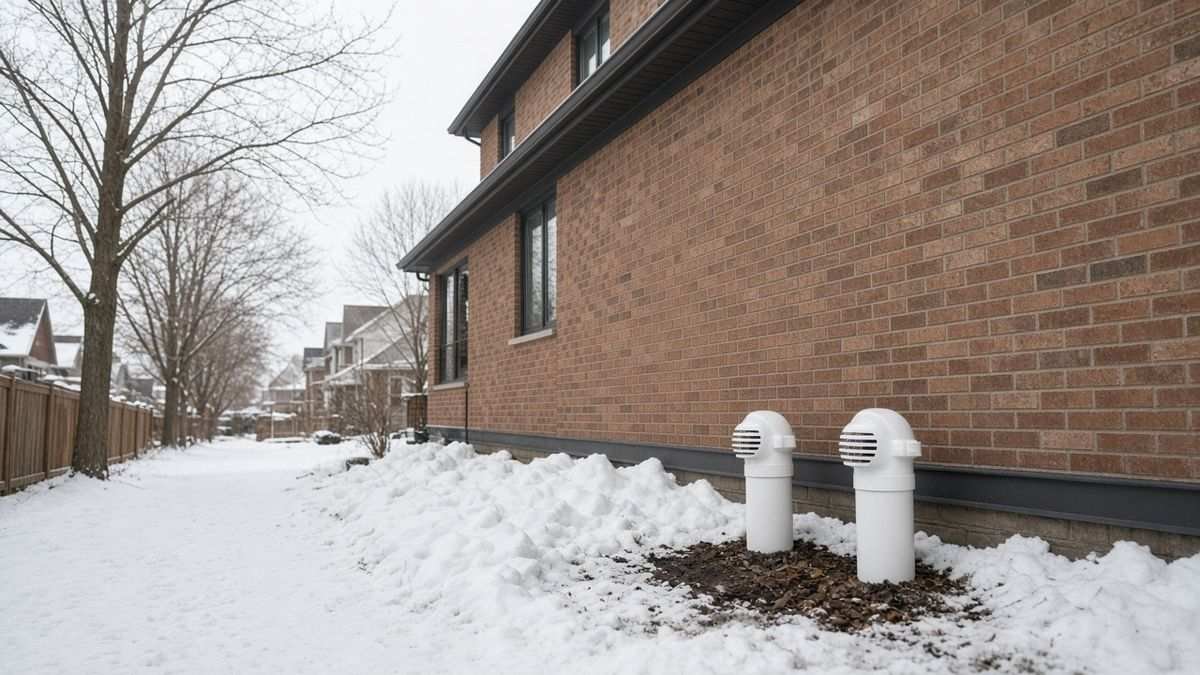
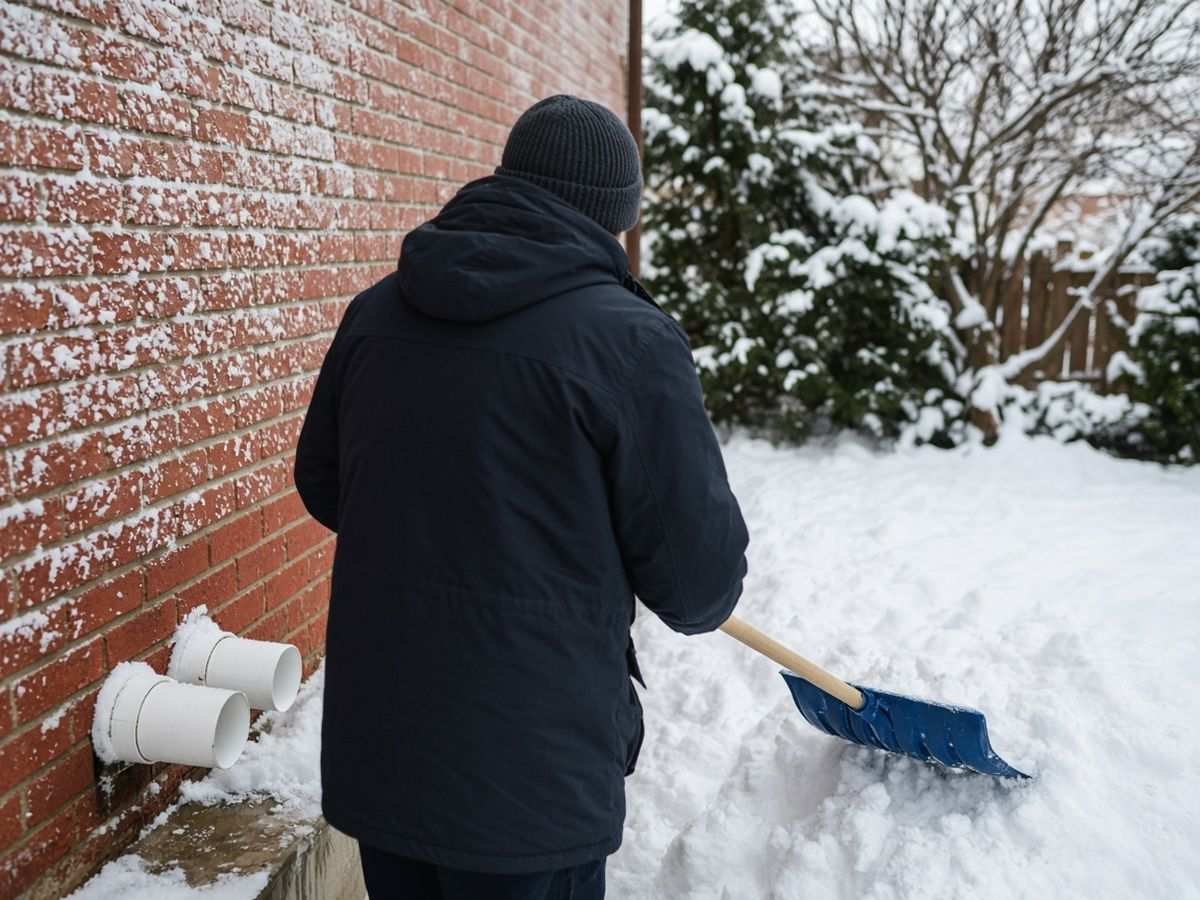
- For systems with outdoor intake or exhaust pipes, carefully clear snow, ice, leaves, and debris from the openings without forcing or bending the pipes.
If the furnace will not start at all after those checks, use the step-by-step sequence in the furnace troubleshooting guide. That guide stays with owner-manual checks and stops where the manuals say to call a technician.
What homeowners should never attempt
A furnace combines electricity, moving parts, and, in many Ontario homes, fuel combustion. Leave cabinet, gas, and electrical work to someone qualified to do it.
Do not remove internal panels unless you are qualified. Do not bypass a safety switch, adjust gas valves or burners, alter wiring, or try to repair a heat exchanger. Repeatedly resetting a furnace that keeps shutting down can hide a fault instead of fixing it.
I’m not licensed for gas-line work, so the checks I would do myself stop outside the furnace cabinet. For fuel-burning equipment, the Technical Standards and Safety Authority encourages a yearly inspection, and it tells homeowners to choose a TSSA-registered contractor. TSSA also says no one can force you to have a furnace inspection if someone arrives uninvited and claims you must have one right now. You ask for the inspection.
When a furnace problem becomes a safety issue
Fuel-burning heating systems can produce carbon monoxide if they are installed incorrectly, poorly maintained, or have defective or blocked venting. That is a safety issue, not a comfort complaint.
The Government of Ontario’s carbon monoxide safety page notes that over 65% of CO-related injuries and deaths in Ontario occur in the home. Ontario also tells homeowners to have fuel-burning appliances, chimneys, and vents cleaned and inspected by professionals every year before cold weather sets in. The U.S. Consumer Product Safety Commission gives the same core advice in its January 2026 winter heating release: have a professional inspect fuel-burning heating systems, including furnaces, each year.
Working alarms matter as much as the inspection. For a house with a fuel-burning appliance, a fireplace, an attached garage, or heat from a fuel-burning appliance that is not inside the home, Ontario requires a carbon monoxide alarm adjacent to each sleeping area. As of January 1, 2026, a CO alarm is also required on every storey of that house, including storeys that do not have a sleeping area. Ontario’s carbon monoxide safety page and its fire safety guidebook both say to test CO alarms every month by pressing the test button.
- If a carbon monoxide alarm sounds, get everyone out of the home immediately and call 9-1-1 or your local emergency number from outside. Do not go back in until emergency responders say it is safe.
- Treat visible sparks, smoke, a severe burning smell, or damage to the furnace as urgent. If it is safe, turn the system off and get professional help.
After heavy snow or freezing rain, check the outdoor vent openings. This matters most on high-efficiency furnaces, whose plastic intake and exhaust pipes terminate outside and can disappear under a drift. Ontario’s fire safety guidebook says to keep those vents clear of debris, including snow and ice. Clear the openings carefully. Do not force cracked or loose piping back into place.
This page is a homeowner guide drawn from official Ontario, TSSA, and CPSC advice. It is not a substitute for emergency services or a licensed technician.
What a professional furnace diagnosis should include
A useful diagnosis goes beyond swapping a part based on one symptom. It should show what failed, how that was confirmed, and what was tested.
A qualified technician should review when the issue began, test the thermostat and the heating sequence, inspect filters and airflow, check blower operation, and evaluate the relevant ignition and control components. For fuel-burning equipment, the visit should also include combustion, venting, and safety controls. Before leaving, the technician should confirm that the system runs properly under normal conditions.
Homeowners who need furnace repair Ontario service can reach licensed local HVAC partners through Enbridge Sustain.
Ask for the findings in writing, including what failed, how it was confirmed, and what was tested and left alone.
Repair or replace: how to compare the options
Do not feel pushed into a same-day replacement decision during a service call. Repair can be reasonable when the failure is isolated, the furnace has otherwise been reliable, parts are available, and the system can be returned to safe operation. Replacement deserves a hard look when repairs keep returning, a major safety-related part has failed, parts are hard to get, or dependable heat can no longer be restored.
- Ask what failed and how the technician confirmed the diagnosis.
- Request a written estimate that separates parts, labor, and other charges.
- Ask what warranty covers the repair and any replacement equipment.
- Compare the immediate repair with likely future service needs.
- Consider a second opinion before approving a major replacement.
A simple furnace care routine
- Check the filter monthly during heavy heating use, and replace it when it is dirty.
- Keep supply vents and return grilles open and unobstructed.
- Test smoke and carbon monoxide alarms monthly.
- Clear outdoor vent openings after snowstorms.
- Write down unusual sounds, odors, error codes, and comfort changes.
- Arrange professional maintenance before the coldest stretch of winter when you can.
Furnace warning signs: questions
Can a salesperson require an immediate furnace inspection in Ontario?
No. TSSA says that if someone calls or arrives and tells you that you require a furnace inspection, you do not have to comply. TSSA encourages a yearly inspection of your furnace or other fuel-burning devices, but you are the one who asks for it. Choose a TSSA-registered contractor, and remember that TSSA staff do not go door-to-door selling inspections or equipment.
What if the furnace keeps shutting down after a reset?
Stop resetting it. A repeat shutdown is a safety or control issue, not a nuisance. Write down any code you already recorded, leave the system off if it will not stay running, and have a qualified technician find the cause.
Should I use the stove or oven to heat the house if the furnace is out?
No. The Government of Ontario’s carbon monoxide safety page says never to use a stove or oven to heat your home. Use safe backup heat that is listed for indoor use, or stay somewhere else until the furnace is repaired.