Your Kenmore 80 series washer completes the wash cycle but leaves clothes soaking wet. The spin cycle either doesn’t start or runs too slowly to extract water properly. This frustrating problem turns laundry day into a workout. You’re left wringing out clothes by hand or facing dryer overload.
Kenmore 80 series washer not spinning typically results from a worn motor coupling, broken drive belt, failed lid switch, or damaged clutch assembly. These direct-drive washers use simple mechanical systems where the motor connects directly to the transmission through a rubber coupling that absorbs shock during startup but deteriorates over time, causing the most common spin failure in this reliable workhorse model.
Understanding the Kenmore 80 Series Washer
The 80 series represents one of Kenmore’s most reliable washer designs. These machines use straightforward mechanical systems that are easy to diagnose and repair.
Built in the 1990s and early 2000s, these washers have earned a reputation for longevity. Many units still run 20-25 years after purchase.
The simple design means fewer electronic components to fail. Most problems stem from normal mechanical wear.
These washers use a direct-drive system. The motor connects to the transmission with minimal components between them.
Understanding this simple design helps you troubleshoot effectively. Each component has a specific, easily understood function.
Parts remain widely available even years after production ended. You can still get everything needed for repairs.
Kenmore 80 Series Washer Not Spinning Quick Reference
| Symptom | Most Likely Cause | Listen For | Typical Fix |
|---|---|---|---|
| No spin at all | Motor coupling failure | Motor running, drum still | Replace motor coupling |
| Weak spin, clothes wet | Worn clutch assembly | Normal operation sounds | Replace clutch |
| No spin, no agitate | Broken drive belt | Complete silence | Replace drive belt |
| Spins but won’t start | Lid switch failure | No click when closing lid | Replace lid switch |
| Humming, no movement | Seized transmission or brake | Loud humming sound | Professional repair needed |
| Slow spin only | Worn clutch pads | Slipping sounds during spin | Replace clutch assembly |
| Intermittent spin | Loose motor mounting | Rattling or movement | Tighten motor bolts |
Kenmore 80 Series Top Load Washer Not Spinning
The Kenmore 80 series uses specific mechanical components for spinning. Understanding how these work together helps you diagnose failures.
Start with visual and auditory observations. What you see and hear tells you which component failed.
How the Spin System Works
The motor spins in one direction for agitation. It reverses direction and spins faster for the spin cycle.
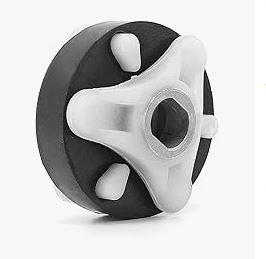
A motor coupling connects the motor shaft to the transmission input shaft. This rubber and plastic coupling absorbs startup shock.
The transmission converts motor speed into drum rotation. Different gear ratios provide agitate and spin speeds.
A clutch assembly engages during spin to lock the drum. This allows high-speed rotation without slippage.
The brake prevents the drum from coasting after spin ends. It stops rotation quickly for safety.
Initial Diagnostic Observations
Run a spin cycle and watch carefully. Note exactly what happens when spin should start.
Listen to the motor. Does it run during the spin attempt? Running motor with stationary drum points to coupling or transmission issues.
Complete silence means the lid switch or motor has failed. The motor isn’t receiving power.
Feel the bottom of the washer. Excessive vibration suggests loose motor mounting or damaged parts.
Check for error codes if your model has a digital display. These narrow down the problem quickly.
Testing Basic Functions
Try manual agitation first. If agitation works but spinning doesn’t, the motor and coupling might be fine.
The problem likely lies in the clutch or transmission. These components handle spin but not agitation differently.
If neither agitate nor spin works, suspect the motor coupling or drive belt. These affect all drum movement.
Test the lid switch by listening for a click. Close the lid and press the switch manually while someone watches the control panel.
Kenmore 80 Series Washer Not Spinning Clothes Dry
When the washer spins but clothes emerge wet, the spin cycle isn’t reaching full speed. Several issues cause weak spinning.
This problem differs from complete spin failure. The mechanism works but doesn’t perform effectively.
Worn Clutch Assembly Symptoms
The clutch pads wear down over years of use. Worn pads slip during high-speed spinning.
You’ll hear the motor running at full speed. The drum spins but much slower than it should.
Clothes come out damp instead of nearly dry. They feel heavy and drip water.
Sometimes you smell burning during spin. This is the clutch pads overheating from friction.
The clutch sits between the transmission and the basket. Access requires removing the cabinet and tub.
Testing Clutch Function
Run a spin cycle and listen carefully. A properly working clutch engages with a firm mechanical sound.
A slipping clutch makes grinding or squealing noises. You might hear the motor racing without corresponding drum speed.
Check spin speed visually. The drum should become a blur during full spin.
If you can see individual rotation with clothes in the tub, spin speed is too slow. The clutch is slipping.
Drive Belt Tension Issues
Some 80 series models use a drive belt. A loose or worn belt causes weak spinning.
The belt connects the motor pulley to the transmission pulley. Proper tension is critical.
Loose belts slip during the high torque of spin cycles. This reduces effective spin speed.
Inspecting the Drive Belt
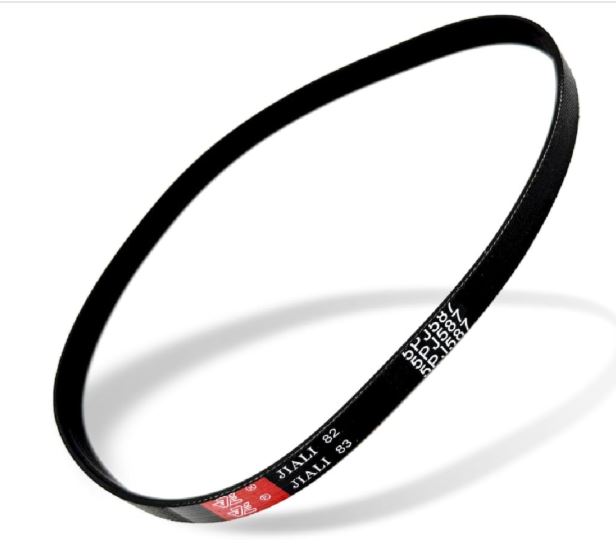
Access the belt by removing the cabinet. The belt wraps around pulleys at the bottom.
Press on the belt between pulleys. It should deflect about 1/2 inch with firm pressure.
More deflection means the belt has stretched. Replace belts that are too loose.
Check for glazing on the belt surface. A shiny, smooth appearance indicates wear.
Look for cracks across the belt width. These indicate rubber deterioration.
Frayed edges suggest misaligned pulleys. Check pulley alignment before installing a new belt.
Load Balance and Distribution
Improper loading affects spin effectiveness. The washer can’t spin efficiently with unbalanced loads.
Heavy items on one side throw off the balance. The washer reduces spin speed to prevent walking.
Mix large and small items in each load. Don’t wash all towels or all delicates together.
Avoid washing single heavy items like bath mats alone. Add towels to balance the load.
Stop and redistribute if you hear loud banging during spin. The load has shifted to one side.
How Do I Reset My Kenmore 80 Series Washer?
The Kenmore 80 series predates complex electronic controls. These washers use mechanical timers that rarely need resetting.
However, simple resets can clear temporary issues and recalibrate the system.
Basic Power Reset
Unplug the washer from the wall outlet. Don’t use the circuit breaker for this.
Wait 60 seconds before plugging back in. This allows the timer motor to fully stop.
Some technicians recommend waiting 5 minutes. The extra time ensures complete power drain.
Plug the washer back in. The timer should reset to its default position.
Try a spin cycle immediately. If the problem was a temporary glitch, it’s now cleared.
Mechanical Timer Reset
The timer is the dial you turn to select cycles. It advances mechanically through the wash sequence.
Turn the timer dial to the Off position. Wait 30 seconds.
Turn the dial to a spin-only cycle. On most 80 series models, this is near the end of the dial rotation.
Pull the timer knob out or press Start. The washer should begin spinning immediately.
If spinning starts, the timer works fine. The problem lies in mechanical components.
If nothing happens, test the lid switch next. The washer won’t run with a failed lid switch.
Lid Switch Override Test
The lid switch prevents operation with an open lid. A failed switch stops all functions.
Locate the lid switch on the washer frame. It’s usually near the lid hinge.
Press the switch manually with a screwdriver while trying to start a cycle. This bypasses the lid closing action.
If the washer starts when you manually press the switch, the switch has failed. Replace it.
Never operate the washer regularly with the lid switch bypassed. This is a diagnostic test only.
When Resets Don’t Help
If resetting changes nothing, you have a mechanical failure. Electronic resets can’t fix broken parts.
Move to systematic component testing. Check each part of the spin system methodically.
The motor coupling is the most common failure point. Test this first after ruling out electrical issues.
Document what happens during reset attempts. Note any sounds, movements, or changes in behavior.
Kenmore 80 Series Washer Not Spinning or Draining
When both drainage and spinning fail together, the problems are connected. These functions occur sequentially.
The washer must drain before spinning starts. Water weight prevents high-speed rotation.
Drainage System Check
Start by verifying drainage works. Run a drain cycle separately from spin.
Listen for the drain pump motor. You should hear humming or buzzing when drainage begins.
If the pump runs but water doesn’t drain, you have a blockage. Check the pump filter and drain hose.
If the pump doesn’t run, test electrical connections. The pump might not receive power.
Clear any drainage issues before investigating spin problems. Spinning won’t work until drainage succeeds.
Lid Switch Preventing Both Functions
The lid switch must confirm closure before draining or spinning begins. A failed switch stops both.
Close the lid and listen for a click. This mechanical sound confirms switch engagement.
Watch the washer carefully. Does anything happen when you close the lid? Any sound or movement?
Complete silence when closing the lid suggests lid switch failure. The washer never receives the “ready” signal.
Replace the lid switch if it doesn’t click. This costs $15-30 and takes 15 minutes.
Timer Advancement Issues
The mechanical timer must advance to drain and spin phases. A stuck timer prevents cycle progression.
Listen for the timer motor ticking during operation. This subtle sound indicates the timer advances.
If you hear no ticking, the timer motor has failed. The washer stays stuck in one phase.
Try manually advancing the timer. Turn the dial to the spin position.
If manual advancement to spin makes it work, the timer motor failed. Replace the entire timer assembly.
Kenmore 80 Series Washer Not Spinning Fast Enough
The washer spins but doesn’t reach full speed. Clothes come out damp instead of nearly dry.
This indicates partial component failure rather than complete breakdown.
Clutch Wear Patterns
Clutch assemblies wear gradually. Initial symptoms include slightly damp clothes.
As wear progresses, clothes emerge wetter. Eventually, spin becomes completely ineffective.
Catching clutch wear early prevents transmission damage. A slipping clutch stresses other components.
Listen during spin for unusual sounds. Grinding, squealing, or burning smells indicate clutch problems.
The clutch is a wear item like brake pads. Expect replacement after 15-20 years of use.
Partial Motor Coupling Failure
Motor couplings can fail partially. The rubber deteriorates but doesn’t break completely.
This causes slow spinning instead of no spinning. The coupling slips under high torque.
You’ll hear the motor running at full speed. The drum rotation doesn’t match motor speed.
Inspect the motor coupling for cracks or missing rubber pieces. Partial failure shows visible damage.
Replace couplings at the first sign of wear. Waiting causes transmission damage.
Belt Slippage During High Speed
Drive belts slip more during high-speed rotation. Low speed agitation might work fine.
The increased centrifugal force during spin requires more grip. Worn belts can’t maintain contact.
Check belt condition even if agitation seems normal. Belts can fail selectively during spin.
Replace belts showing any glazing, cracking, or looseness. Don’t wait for complete failure.
Transmission Bearing Wear
Worn transmission bearings create drag. This resistance prevents full spin speed.
You’ll hear grinding noises from the transmission. Metal-on-metal sounds indicate bearing failure.
Transmission bearing replacement requires professional service. The repair is complex and time-consuming.
Consider washer replacement if transmission bearings fail. The repair cost approaches new washer prices.
Kenmore 80 Series Washer Not Spinning or Agitating
When both agitation and spinning fail, the problem lies in components that affect all drum movement.
These failures are typically more serious than spin-only problems.
Motor Coupling Failure
The motor coupling is the most common cause of complete movement failure. This coupling breaks from repeated stress.
The coupling consists of rubber inserts between two plastic pieces. The rubber deteriorates and breaks apart.
You’ll hear the motor running normally. The drum doesn’t move at all during agitate or spin.
Look under the washer for broken plastic pieces. These are fragments of the failed coupling.
Replacing the Motor Coupling
Unplug the washer and turn off water. Remove the cabinet by unscrewing the clips.
Access the motor and transmission from the top. The coupling sits between these components.
Disconnect the motor mounting bolts. Slide the motor away from the transmission.
The broken coupling will be visible on the motor or transmission shaft. Remove all pieces.
Install the new coupling. Ensure it seats properly on both shafts.
Reconnect the motor and test. The repair takes 30-45 minutes for most DIYers.
Motor couplings cost $10-25. This is one of the most cost-effective washer repairs.
Broken Drive Belt
A completely broken belt prevents all drum movement. The motor runs but nothing else moves.
Belt-drive models make this diagnosis easy. You’ll find the broken belt inside the cabinet.
Check the floor around and under the washer. Belt pieces sometimes fall out.
Replace broken belts immediately. Running without a belt can damage other components.
Seized Transmission
A locked transmission prevents all drum movement. This is a catastrophic failure requiring replacement.
The motor will hum loudly but won’t turn. It’s trying to move against immovable resistance.
Don’t run the motor for extended periods. This burns out motor windings.
Transmission replacement costs $200-300 in parts alone. Labor adds another $150-200.
On washers over 15 years old, replacement makes more sense than transmission repair.
Kenmore 80 Series Washer Humming But Not Spinning
A humming motor with no drum movement indicates mechanical binding. The motor tries but can’t overcome resistance.
This symptom helps narrow down the problem quickly.
Jammed Transmission
Something wedged in the transmission prevents rotation. This creates immovable resistance.
The motor hums as it tries to turn. Excessive current draw can damage the motor.
Turn off the washer immediately if humming continues for more than 10 seconds. Don’t damage the motor.
Try rotating the drum manually. It should turn with moderate resistance.
If the drum won’t budge, the transmission is jammed or seized. This requires professional diagnosis.
Engaged Brake Assembly
The brake should release during agitation and spin. A stuck brake prevents drum movement.
The motor tries to turn against brake resistance. This creates a loud humming sound.
Access the brake assembly by removing the cabinet. Look for the brake mechanism near the transmission.
Check if the brake releases when you manually move the actuator. It should move freely.
Rust or corrosion can lock the brake in position. Clean and lubricate pivot points.
Replace the brake assembly if cleaning doesn’t restore function. These cost $30-50.
Motor Start Capacitor Failure
The motor might hum without starting if the start capacitor failed. This electrical component helps motor startup.
A bad capacitor prevents the motor from developing enough torque. It hums but doesn’t rotate.
Test the capacitor with a multimeter set to capacitance. Compare the reading to the capacitor’s rated value.
Replace capacitors reading outside tolerance. These cost $15-30.
Use exact replacement capacitors. The voltage and capacitance ratings must match.
Kenmore 80 Series Washer Agitator Not Spinning
The agitator and drum spin together in 80 series washers. If the agitator doesn’t spin but the drum does, internal agitator components have failed.
This specific problem indicates worn agitator dogs or a damaged agitator barrel.
Agitator Dog Failure
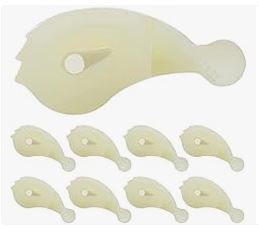
Small plastic dogs inside the agitator engage during agitation. These allow back-and-forth motion.
Over time, these dogs wear down. They eventually can’t grip the cam surface.
The agitator will spin freely in both directions. It should only spin in one direction freely.
Remove the agitator by pulling straight up. Some models require removing a bolt at the top.
Inspect the dogs inside the agitator barrel. Replace them if worn or broken.
Agitator dogs (View on Amazon) cost $5-15 for a complete set. Installation takes 10 minutes.
Stripped Agitator Barrel
The agitator barrel connects to the drive shaft. Internal splines can strip over years of use.
A stripped barrel allows the agitator to spin freely without engaging. The drum moves but the agitator doesn’t.
Remove the agitator and inspect the internal splines. Look for rounded or damaged teeth.
Replace the entire agitator if splines are damaged. New agitators cost $40-80.
How to Fix a Kenmore 80 Series Washer That Won’t Spin
Systematic diagnosis identifies the failed component. Follow these steps in order for efficient troubleshooting.
This proven sequence addresses the most common failures first.
Step 1: Test the Lid Switch
This is the quickest test and one of the most common failures. Start here.
Close the lid and listen for a click. No click means immediate lid switch replacement.
Try starting a cycle. If nothing happens at all, the lid switch is the likely culprit.
Replace the lid switch (View on Amazon) before proceeding. This costs $15-30 and takes 15 minutes.
Step 2: Inspect the Motor Coupling
Remove the cabinet to access the coupling. This requires removing clips or screws.
Look for broken plastic pieces or missing rubber. These confirm coupling failure.
Check under the washer for coupling fragments. Broken pieces often fall down.
Replace the motor coupling (View on Amazon) if any damage is visible. Don’t wait for complete failure.
Step 3: Check the Drive Belt
Locate the drive belt between motor and transmission. Inspect it carefully.
Press on the belt to test tension. It should deflect about 1/2 inch.
Look for cracks, glazing, or fraying. Any of these indicates a replacement drive belt (View on Amazon) is needed.
Replace questionable belts. They’re inexpensive and failure leaves you with wet clothes at inconvenient times.
Step 4: Test the Clutch
The clutch requires more extensive disassembly to access. Test other components first.
Listen during spin attempts. Slipping clutches make distinctive grinding sounds.
Note spin speed. Dramatically reduced speed suggests clutch wear.
Clutch replacement (View on Amazon) costs $40-70 in parts. Labor takes 1-2 hours.
Step 5: Examine the Transmission
Transmission problems are less common but more serious. Test this last.
Listen for grinding or scraping sounds. These indicate internal damage.
Try rotating the drum manually. It should turn smoothly with moderate resistance.
Binding or roughness suggests transmission failure. This repair approaches new washer cost.
Preventive Maintenance for Spin Systems
Regular maintenance extends the life of spin components. These simple tasks prevent expensive repairs.
Most maintenance takes just minutes per month.
| Task | Frequency | Benefit |
|---|---|---|
| Check drive belt tension | Every 6 months | Prevents slipping and premature wear |
| Inspect motor coupling | Annually | Catches wear before complete failure |
| Test lid switch operation | Quarterly | Ensures safety and proper function |
| Level the washer | After moving | Reduces strain on spin components |
| Avoid overloading | Every wash | Prevents excessive wear on all parts |
| Balance loads properly | Every wash | Reduces clutch and transmission stress |
Proper Loading Techniques
Don’t overload the washer. Fill the tub only to about 3/4 capacity.
Overloading stresses the motor, coupling, and clutch. These components wear faster under excessive load.
Distribute items evenly around the agitator. Don’t pile everything on one side.
Mix large and small items. This promotes better balance during spinning.
Recognizing Early Warning Signs
Clothes slightly damper than usual indicate developing clutch problems. Don’t ignore this symptom.
Unusual sounds during spin suggest mechanical wear. Address noises before complete failure.
Longer cycle times might indicate slipping components. The washer takes longer because parts aren’t working efficiently.
Address problems early. Minor repairs prevent major failures.
Also Read: Why Your Kenmore Washer Fills with Water, Then Stops
Frequently Asked Questions
Why does my Kenmore 80 series washer agitate but not spin?
The most common cause is a worn motor coupling. This rubber and plastic component connects the motor to the transmission.
The coupling absorbs shock during startup but deteriorates over years. It breaks under the higher stress of spin cycles.
You’ll hear the motor running during spin attempts. The drum doesn’t move at all.
Look under the washer for broken plastic pieces. These confirm coupling failure.
Replace the motor coupling. This repair costs $10-25 in parts and takes 30-45 minutes.
How long should a Kenmore 80 series washer last?
These washers commonly last 20-25 years with proper maintenance. Some units run even longer.
The simple mechanical design contributes to longevity. Fewer electronic components mean fewer failure points.
Regular maintenance extends lifespan significantly. Replace wear items like couplings and belts promptly.
Hard water areas see more component wear. Mineral deposits affect moving parts.
Can I replace the motor coupling myself?
Yes, motor coupling replacement is one of the most DIY-friendly washer repairs. You need basic tools and about 45 minutes.
Remove the cabinet by taking out clips or screws. Access the motor and transmission from above.
Disconnect the motor and slide it away from the transmission. The broken coupling will be visible.
Install the new coupling and reconnect the motor. Test the washer with a spin cycle.
This repair saves $150-200 in service call costs. The part costs only $10-25.
What causes the clutch to wear out?
Normal use gradually wears clutch pads. Friction during engagement creates heat and wear.
Overloading accelerates clutch wear. Excessive weight puts more stress on the pads.
Unbalanced loads force the clutch to work harder. The washer struggles to spin uneven weight.
Expect clutch replacement after 15-20 years of regular use. This is normal wear, not premature failure.
Why does my washer spin slowly?
Slow spinning indicates worn clutch pads. The clutch slips under load instead of fully engaging.
A loose or glazed drive belt also causes slow spinning. The belt can’t maintain proper grip.
Worn transmission bearings create drag. This resistance prevents full speed rotation.
Overloading reduces effective spin speed. The washer slows down to prevent walking and damage.
How much does it cost to fix spin problems?
DIY repairs range from $10-80 depending on the failed component. Motor couplings cost $10-25, belts run $15-30, and clutches cost $40-70.
Professional repairs cost $150-350 including labor. Service calls start at $75-100.
Transmission repairs or replacements cost $300-500. This approaches new washer prices on older units.
Most spin problems are DIY-fixable. You save significantly doing repairs yourself.
Is it worth repairing a Kenmore 80 series washer?
For simple repairs like couplings and belts, absolutely. These cost-effective fixes extend washer life by years.
For expensive repairs like transmissions, consider washer age. On units over 20 years old, replacement might be smarter.
These washers are known for reliability. Simple repairs are worthwhile investments.
Parts availability remains good despite the age of these models. You can still get everything needed.
Can a bad lid switch cause spin problems?
Yes, a failed lid switch prevents all washer operations including spin. The washer won’t start any cycle.
The lid switch is a safety device. It ensures the lid is closed before allowing high-speed spinning.
Test by closing the lid and listening for a click. Replace switches that don’t click.
Lid switches cost $15-30 and install in 15 minutes. This is one of the easiest repairs.
Keeping Your Kenmore Washer 80 Series Spinning
The Kenmore 80 series washer not spinning problem usually stems from worn mechanical components. The simple design makes diagnosis straightforward.
Start with the lid switch and motor coupling. These account for most spin failures.
Check the drive belt if your model has one. Test tension and look for wear.
Inspect the clutch if other components check out. Worn clutch pads cause weak or failed spinning.
With basic tools and mechanical aptitude, you can fix most spin problems yourself. You’ll save hundreds in service calls.
Regular maintenance and proper loading prevent most spin issues. These reliable washers provide decades of service when cared for properly.